Automatic Tumbler Printing Machine | 180/hr, Lights-Out

All Categories

Fully Automated Tumbler Printing for Minimal Labor

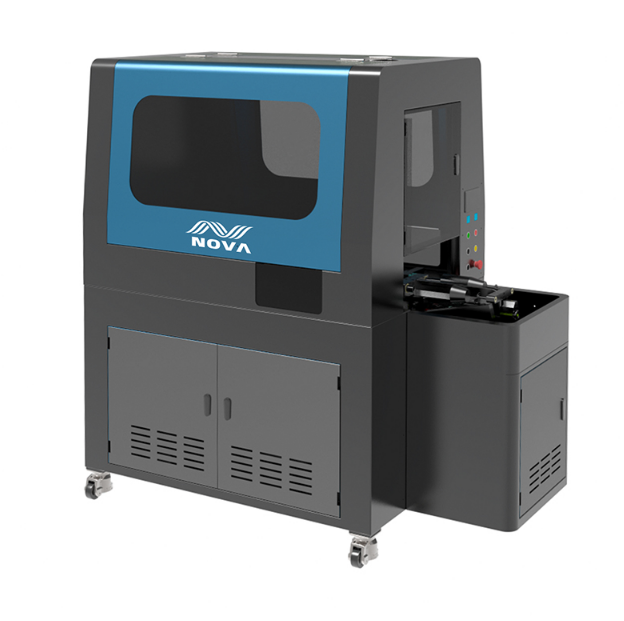
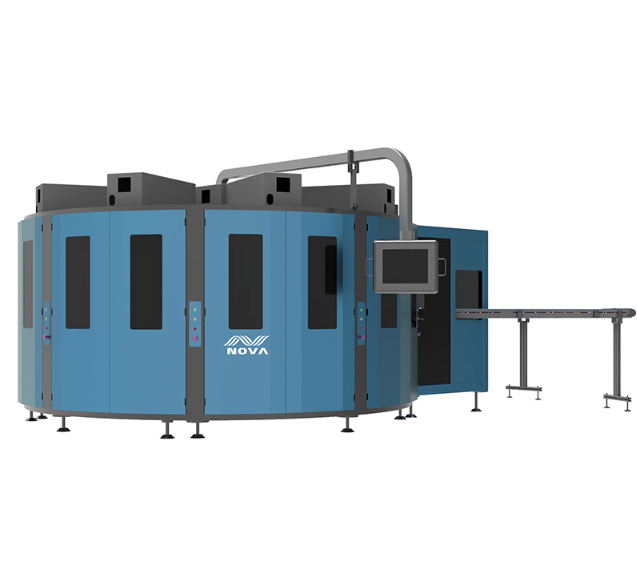
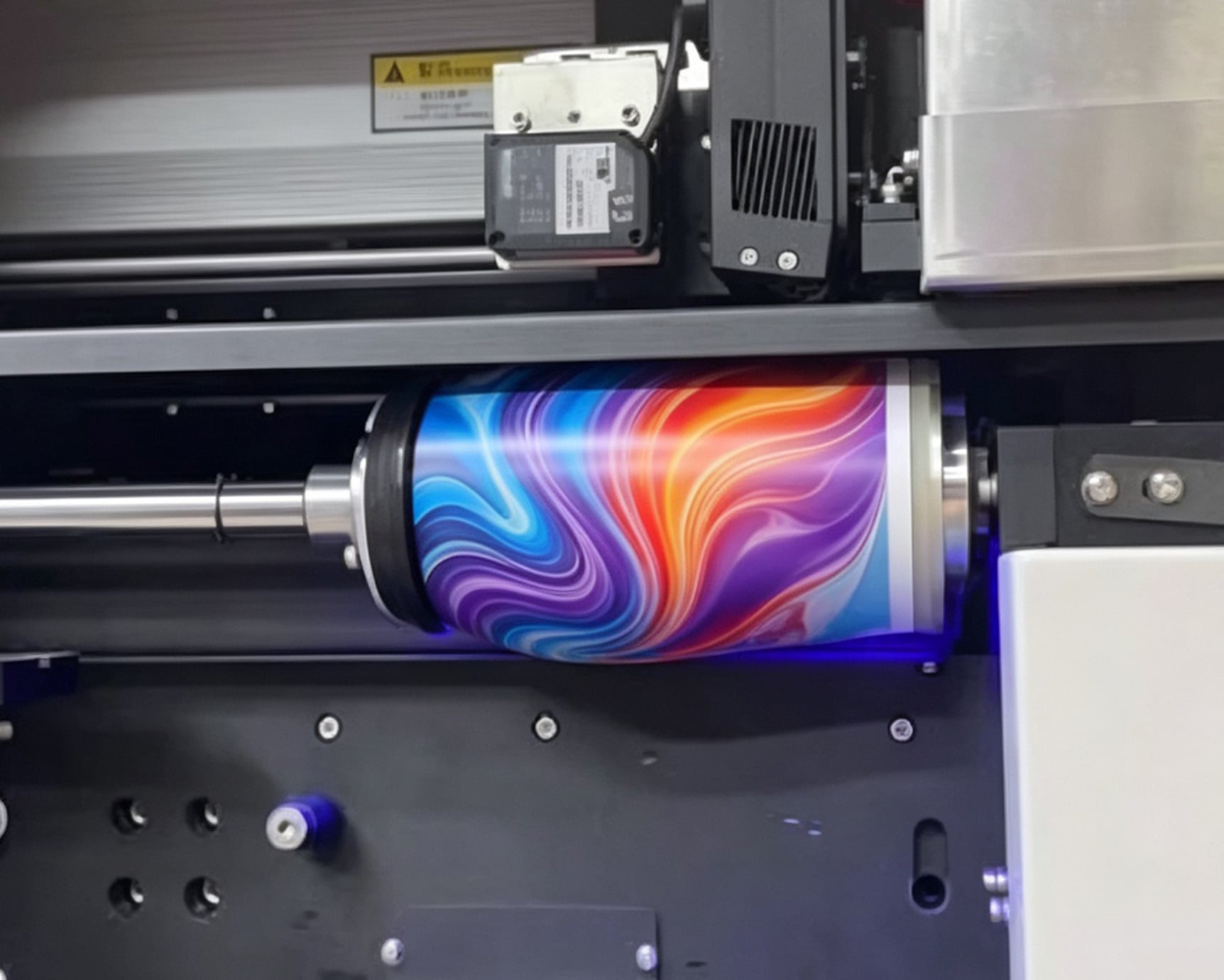
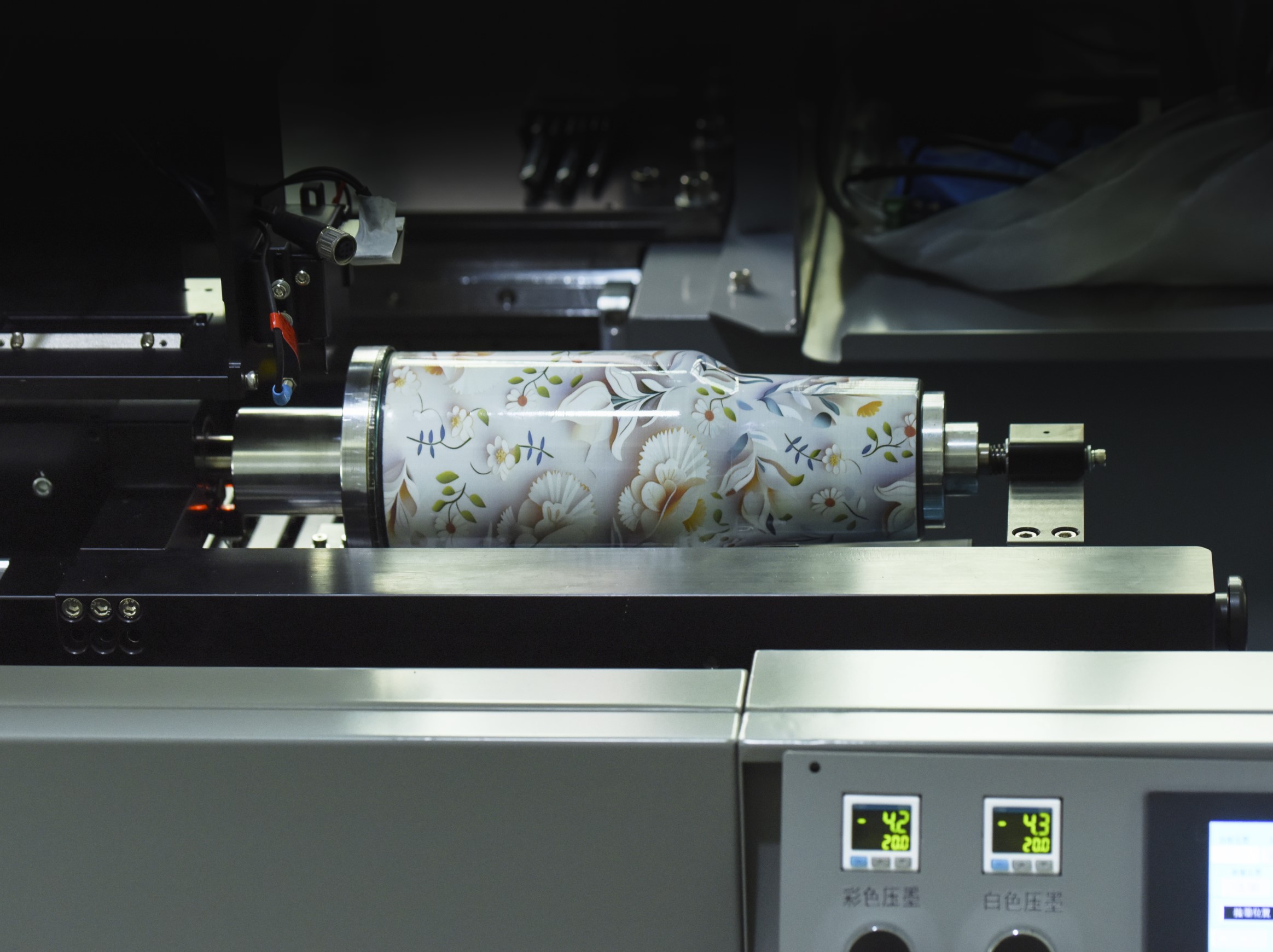
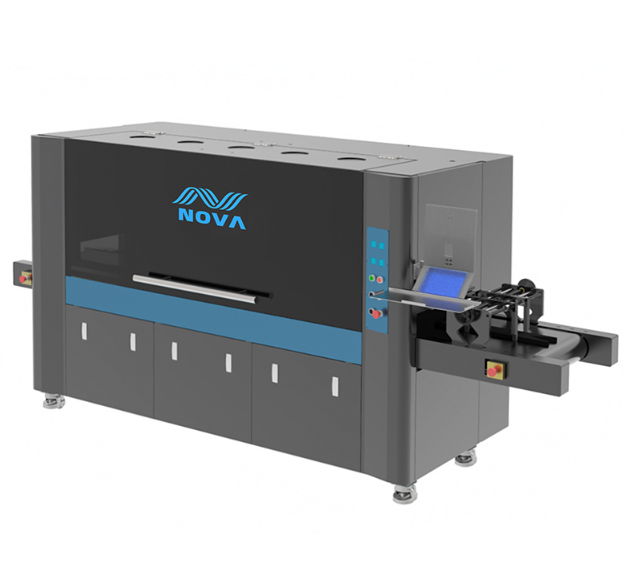
NOVA's automatic tumbler printing machine features robotic loading and unloading. It integrates conveyor belts and pick-and-place arms. The machine prints up to 180 tumblers per hour without operator intervention. It includes automatic cleaning, calibration, and fault recovery. The system's sensor network monitors each step. It handles tumblers of multiple sizes sequentially. The machine reduces labor costs by up to 80%. It is ideal for high-volume facilities aiming for lights-out production.
Get A Quote

Case Study

Large E-Commerce Fulfillment Center

A fulfillment center processed 10,000 tumblers daily using the automatic machine. They reduced staff from 10 to 2 per shift. The machine's self-diagnostics minimized downtime. Order accuracy improved. The center achieved 99.7% on-time delivery, boosting client retention.

OEM Manufacturer for Hospitality Industry

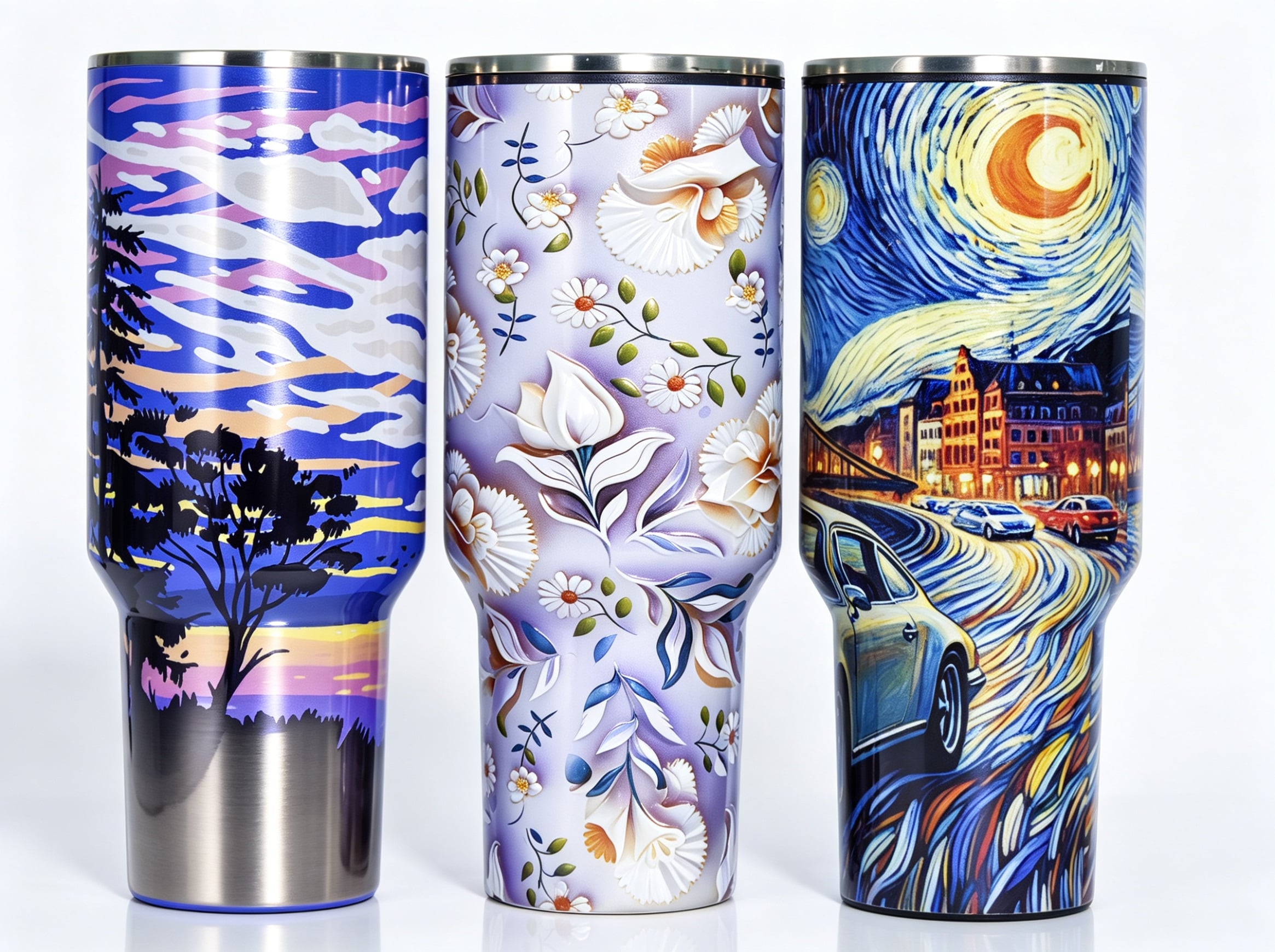
An OEM supplier to hotels and resorts installed the automatic machine. They produced custom-branded tumblers for 200 properties. The machine operated overnight, completing batches by morning. This enabled next-day shipping. The supplier increased its market share by 15%.

Corporate Gift Distributor

A corporate gift distributor used the automatic machine to handle large seasonal orders. They printed 50,000 tumblers in a week for various clients. The machine's reliability meant zero late shipments. Client satisfaction led to long-term contracts.

Related products

NOVA's automatic tumbler printing machine is the pinnacle of industrial automation. It integrates loading, printing, curing, and unloading into a single continuous process. The robotic arms gently handle tumblers to avoid damage. The machine uses artificial intelligence to optimize print parameters for each batch. It connects to a central control system for remote management. With high throughput and low operational costs, it delivers rapid return on investment for large-scale operations.

Frequently Asked Questions

How does the loading system work?

A conveyor feeds tumblers to a vision-guided robotic arm that places them onto the rotary chucks. Unloading is similarly automated.
Yes, the machine reads each tumbler's dimensions and adjusts settings on the fly. Size change is seamless.
MTBF is over 2,000 hours, with routine maintenance every 1,000 hours. Critical components have redundancy.
Yes, the robotic arms and actuators require clean dry air at 6-8 bar. NOVA provides air preparation units.
An automated waste ink collection system with sensors alerts when full. The system prevents spillage.

Related article

How does UV inkjet printing on wood compare to traditional wood printing methods?

30

Jun

How does UV inkjet printing on wood compare to traditional wood printing methods?

Curing on Contact Versus Soaking Into the Grain The fundamental difference between UV inkjet and traditional wood printing comes down to how the ink behaves once it hits the surface. Screen printing and pad printing typically rely on solvent based ...
View More
Why is non-contact printing a major advantage of industrial inkjet?

30

Jun

Why is non-contact printing a major advantage of industrial inkjet?

The Physics of Printing Without a Squeegee Industrial inkjet belongs to a category that engineers call non-impact printing, but the practical meaning runs much deeper than the absence of a strike plate. In a contact based system like pad printing o...
View More
Why is cylinder inkjet printing faster than traditional screen printing for bottles?

30

Jun

Why is cylinder inkjet printing faster than traditional screen printing for bottles?

The Rotation Problem That Cylinder Inkjet Solved Bottles are round, and round objects hate staying still. Traditional screen printing on cylindrical containers relies on a curved screen that rocks across the bottle surface while a stationary squeeg...
View More
Why choose a customized printer over a standard off-the-shelf model?

30

Jun

Why choose a customized printer over a standard off-the-shelf model?

The Assumption Built Into Every Standard Printer An off-the-shelf industrial printer ships with a set of assumptions baked into its engineering. The designers picked a printhead type, a curing wavelength, a transport mechanism, and a control interf...
View More

Customer Testimonials

Steve B.

This machine runs 24/7 with almost no supervision. We doubled our output and halved our labor costs. The quality is consistent batch after batch.

Maria G.

We love the automatic cleaning feature. We haven't had a printhead clog in months. The machine pays for itself within a year.

Get a Free Quote

Our representative will contact you soon.
Email
Mobile/WhatsApp
Name
Company Name
Message
0/1000
Robotic Pick-and-Place with Vision Guidance

Robotic Pick-and-Place with Vision Guidance

The robotic system uses machine vision to locate tumblers on the conveyor, even if they are misaligned. It adjusts its grip angle and force to pick each tumbler reliably. The vision system also inspects the tumbler surface for defects before printing, rejecting flawed items. This ensures that only good substrates are printed, reducing waste. The robot can handle up to 200 items per hour with positioning accuracy of ±0.1mm.
Predictive Maintenance and Self-Diagnostics

Predictive Maintenance and Self-Diagnostics

The machine continuously monitors its own components, including printhead temperature, motor torque, and ink levels. It predicts potential failures and schedules maintenance alerts. If a component deviates from normal parameters, the machine adjusts operations or stops safely. This proactive approach minimizes unplanned downtime and extends equipment life. Maintenance logs are accessible remotely for analysis.
Lights-Out Production Capability

Lights-Out Production Capability

With full automation, the machine can operate unattended during off-hours. It has large ink reservoirs and waste tanks that last for full shifts. The system can automatically resume after minor interruptions. This allows facilities to run three shifts with minimal staffing, maximizing asset utilization. Production reports are emailed to managers daily, providing complete visibility.