Cylinder Printer for Tumblers | 360° Seamless UV Printing

All Categories

Specialized Cylindrical Printing for Perfect Wraps

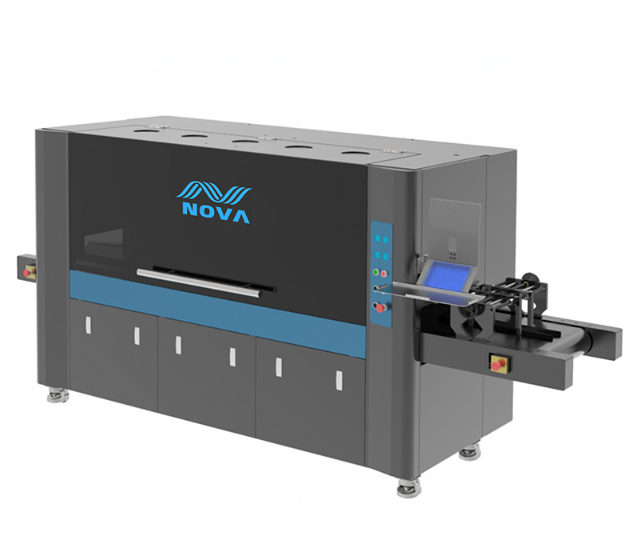
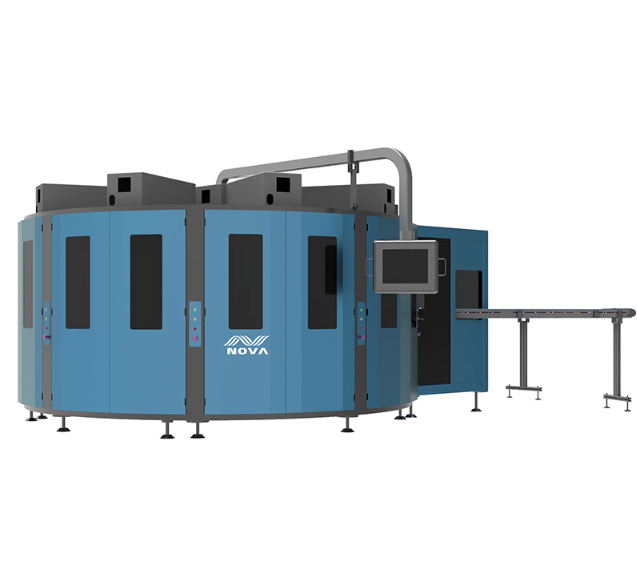
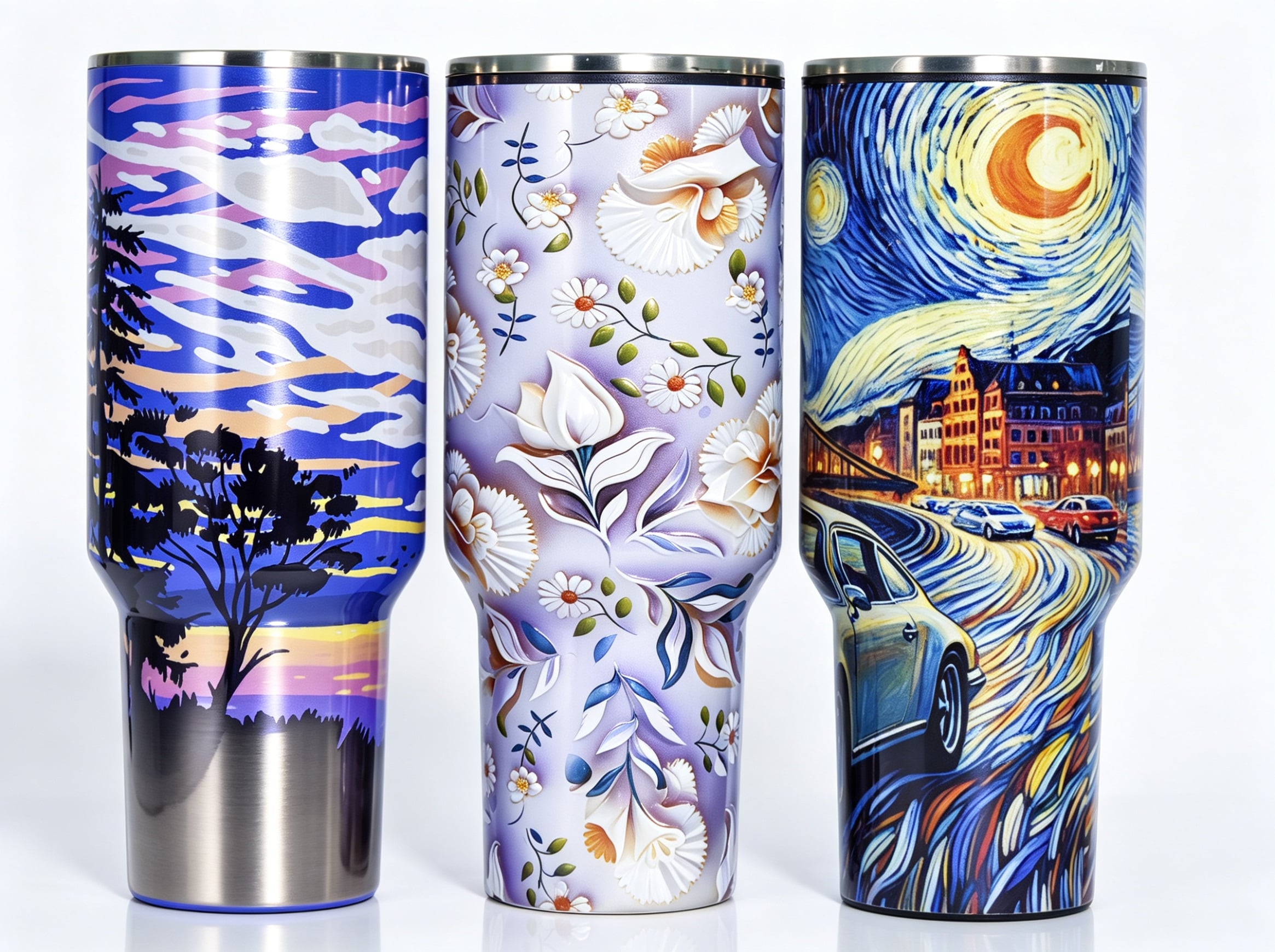
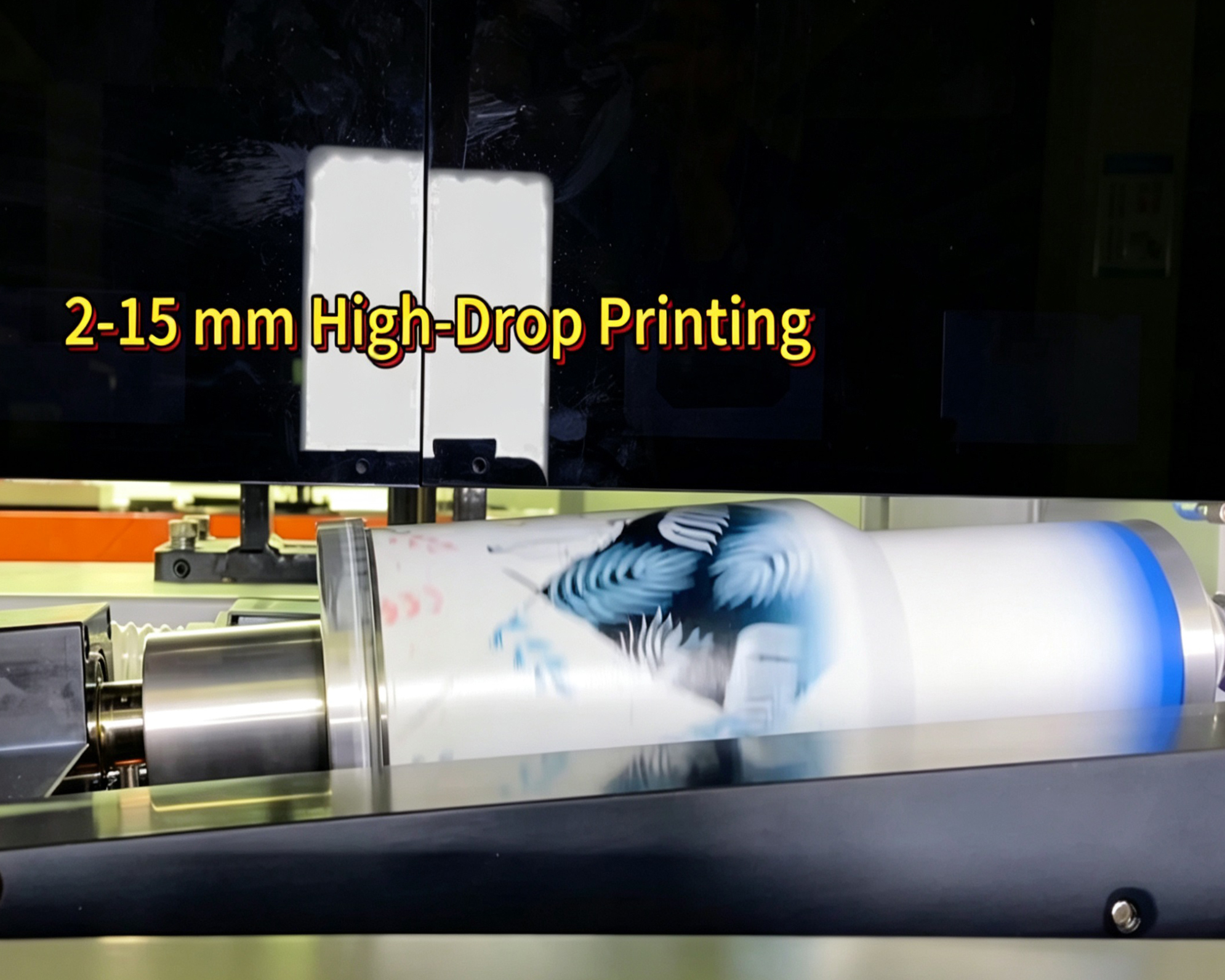
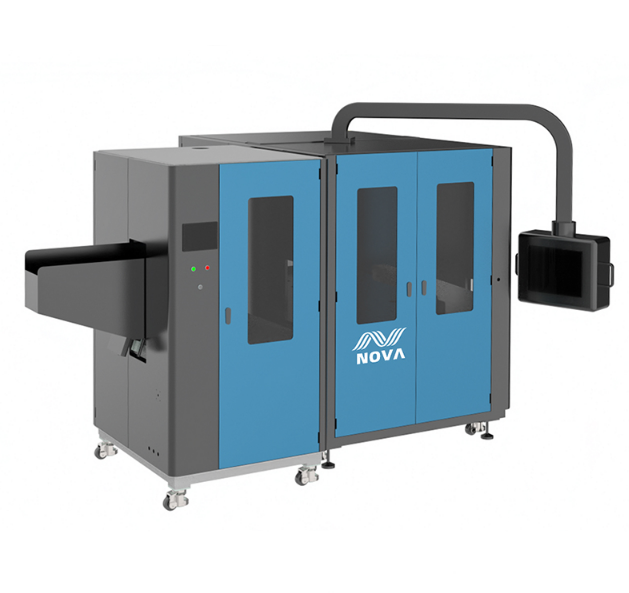
NOVA's cylinder printer is designed exclusively for cylindrical substrates. It provides 360° seamless wrapping with zero distortion. The printer handles diameters from 50mm to 200mm and lengths up to 350mm. Rotary encoder ensures accurate surface speed matching. Print resolution reaches 1200 dpi with variable dot sizes. The system includes automatic lift and rotation mechanisms. It can print on tapered and straight cylinders alike. This printer is the go-to solution for bottle, can, and tumbler manufacturers.
Get A Quote

Case Study

Bottle Manufacturer Expands to Tumblers

A glass bottle maker diversified into stainless steel tumblers using the cylinder printer. They repurposed their rotary expertise. The printer handled the transition smoothly. Within 2 months, tumbler revenue contributed 30% of total sales. The 360° seamless print became a key differentiator.

Craft Cider Company Prints Seasonal Designs

A cider company printed limited edition designs on tumblers for its taproom. The cylinder printer produced 200 units per run with full-wrap graphics. Customers loved the collectible nature, and the taproom sold out in one weekend. The company now prints monthly designs.

Laboratory Equipment Manufacturer

A lab equipment manufacturer printed labeling directly on cylindrical metal containers. The cylinder printer replaced adhesive labels, improving durability in harsh environments. They reduced labeling time by 60% and eliminated mislabeling errors.

Related products

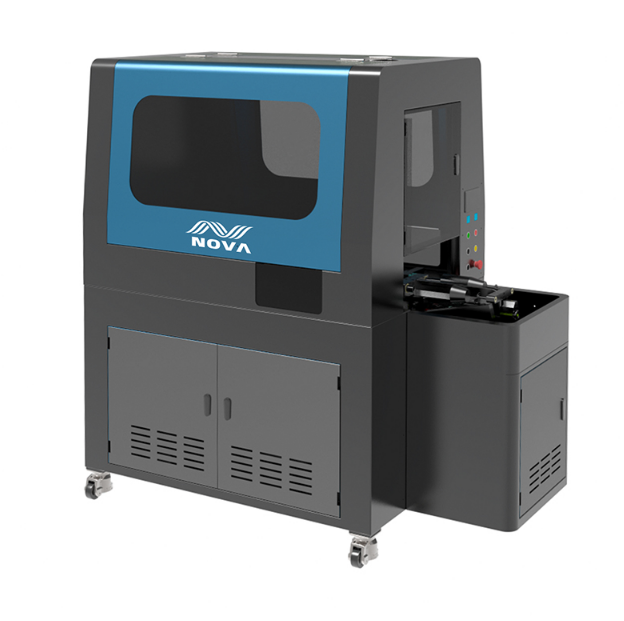
NOVA's cylinder printer is purpose-built for round objects. Its unique rotary chuck system holds the substrate securely while the printhead travels linearly. The motion control ensures perfect registration for multi-pass or single-pass modes. The printer is compatible with UV, solvent, and latex inks. It is widely used in beverage, cosmetics, and industrial packaging sectors. With precision engineering, it delivers gallery-quality prints on every cylinder.

Frequently Asked Questions

What is the maximum circumference it can print?

The printer can print circumferences up to 650mm, covering most tumbler and bottle sizes.
The software compensates for taper by varying the rotation speed along the length, ensuring even print coverage.
Yes, it supports multiple materials with appropriate ink settings. The chuck pressure adjusts automatically.
Speed ranges from 50 to 120 units per hour depending on resolution and pass count. Single-pass mode is fastest.
Yes, the printhead area is accessible and cleaning routines are automated. The chuck is detachable for thorough cleaning.

Related article

Why is non-contact printing a major advantage of industrial inkjet?

30

Jun

Why is non-contact printing a major advantage of industrial inkjet?

The Physics of Printing Without a Squeegee Industrial inkjet belongs to a category that engineers call non-impact printing, but the practical meaning runs much deeper than the absence of a strike plate. In a contact based system like pad printing o...
View More
Why is cylinder inkjet printing faster than traditional screen printing for bottles?

30

Jun

Why is cylinder inkjet printing faster than traditional screen printing for bottles?

The Rotation Problem That Cylinder Inkjet Solved Bottles are round, and round objects hate staying still. Traditional screen printing on cylindrical containers relies on a curved screen that rocks across the bottle surface while a stationary squeeg...
View More
Why should your business invest in a bottle inkjet printer for labeling?

30

Jun

Why should your business invest in a bottle inkjet printer for labeling?

The Hidden Cost of Label Inventory Every pre-printed label sitting on a warehouse shelf represents cash that cannot be used for anything else. A beverage brand with 15 SKUs, each requiring labels in three sizes and two languages, can easily carry o...
View More
Why choose a customized printer over a standard off-the-shelf model?

30

Jun

Why choose a customized printer over a standard off-the-shelf model?

The Assumption Built Into Every Standard Printer An off-the-shelf industrial printer ships with a set of assumptions baked into its engineering. The designers picked a printhead type, a curing wavelength, a transport mechanism, and a control interf...
View More

Customer Testimonials

Chris P.

The seamless wrap is flawless. We've printed thousands of tumblers and bottles with no alignment issues. This printer is a workhorse for our custom orders.

Natalie W.

We switched from pad printing to this cylinder printer and the quality difference is night and day. Our customers appreciate the 360° artwork.

Get a Free Quote

Our representative will contact you soon.
Email
Mobile/WhatsApp
Name
Company Name
Message
0/1000
Seamless 360° Wrap Technology

Seamless 360° Wrap Technology

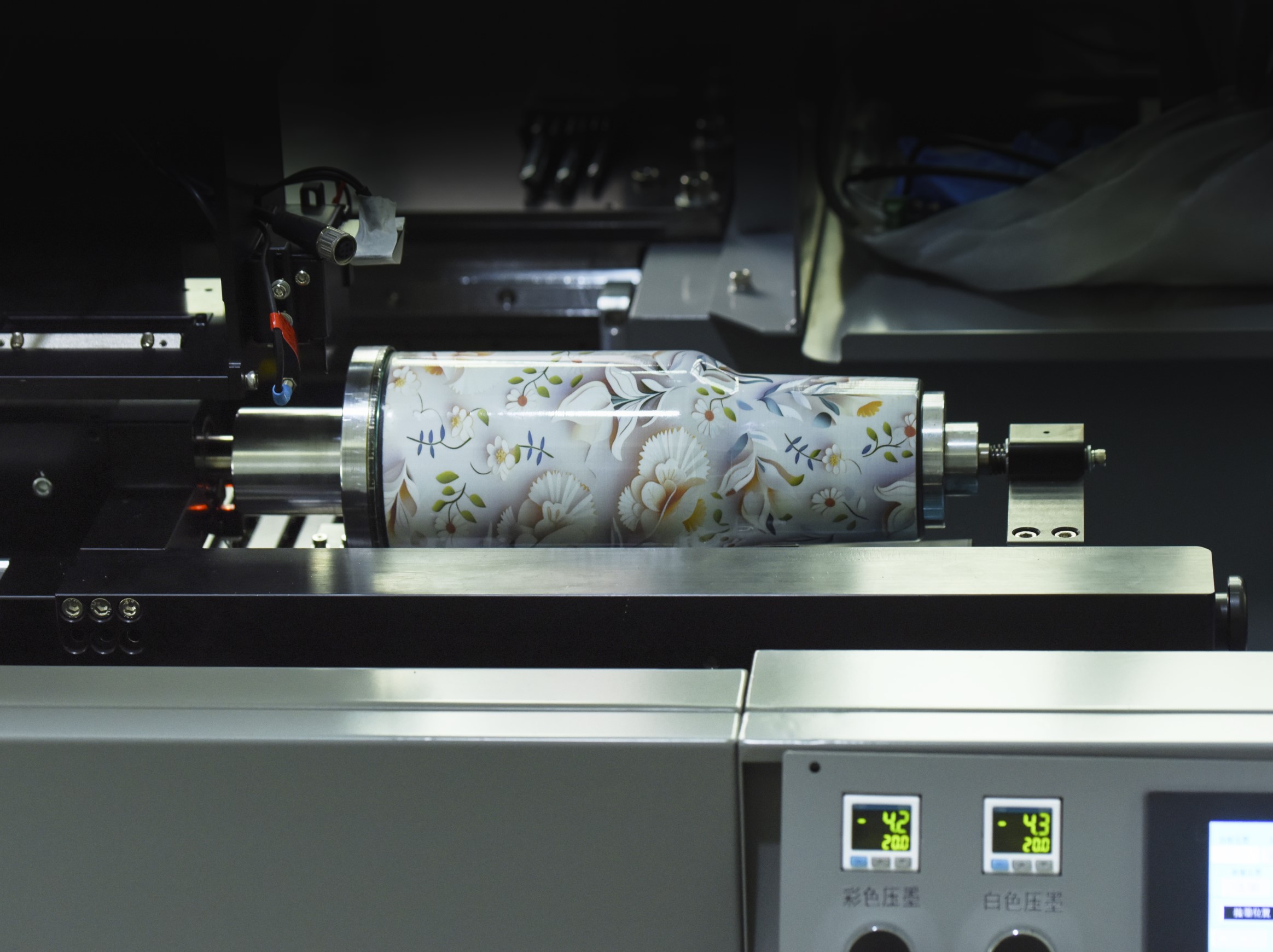
The printer's rotary encoder synchronizes the printhead firing with the cylinder's rotation, creating a continuous image with no seam. This is achieved through precise timing and feedback control. The result is a professional, uninterrupted graphic that wraps perfectly around the tumbler. This technology eliminates visible overlapping or gaps, which is critical for artistic designs. It also enables the printing of panoramic photos and repeating patterns.
Automatic Substrate Detection and Chuck Adjustment

Automatic Substrate Detection and Chuck Adjustment

The printer uses laser sensors to measure the diameter and length of each cylinder before printing. The chuck then adjusts its grip and positioning automatically. This ensures that the substrate is centered and rotates concentrically, preventing eccentricity errors. The system can handle mixed-size batches without manual intervention. This automation reduces setup time and improves overall efficiency in multi-product runs.
Multi-Pass and Single-Pass Modes

Multi-Pass and Single-Pass Modes

The cylinder printer offers both multi-pass (for high-quality) and single-pass (for high-speed) printing modes. In multi-pass, it builds up density and color depth for photographic output. In single-pass, it achieves maximum throughput for less critical applications. Operators can select the mode based on job requirements. This flexibility allows the printer to serve both premium and volume markets with the same hardware.