Industrial Single Pass Printer: 300% Faster High-Volume Printing

All Categories

Industrial Single Pass Printers for High-Volume Production

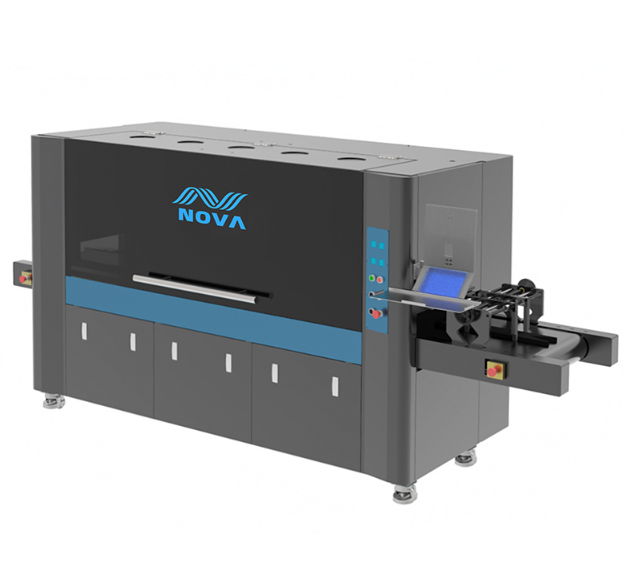
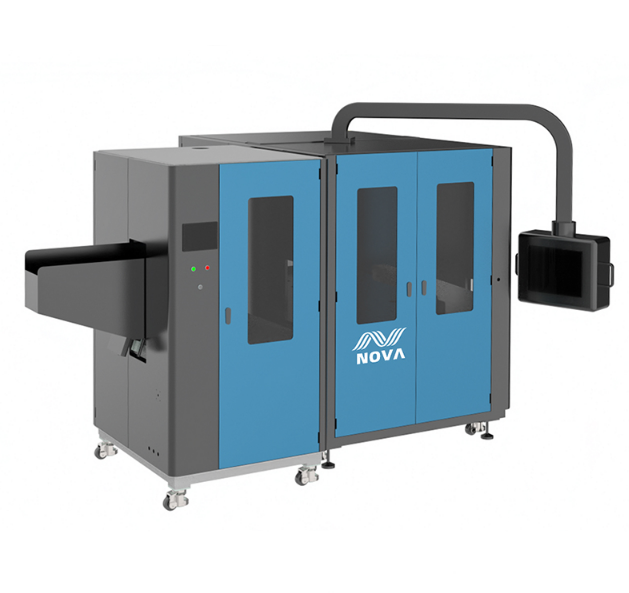
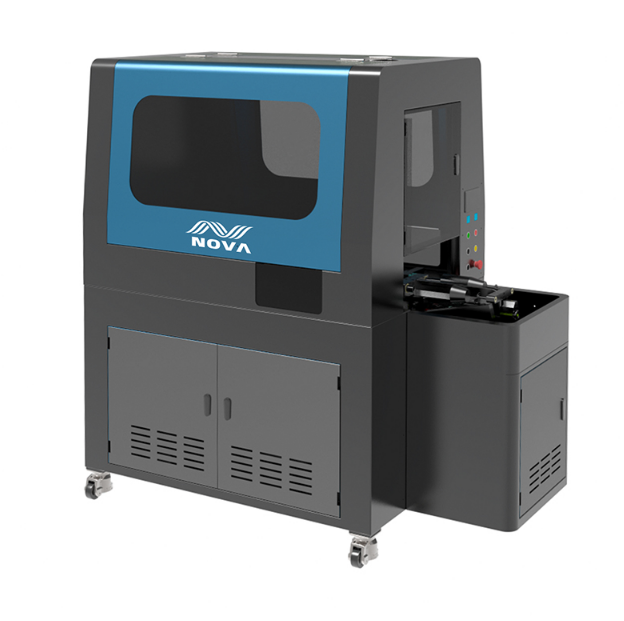
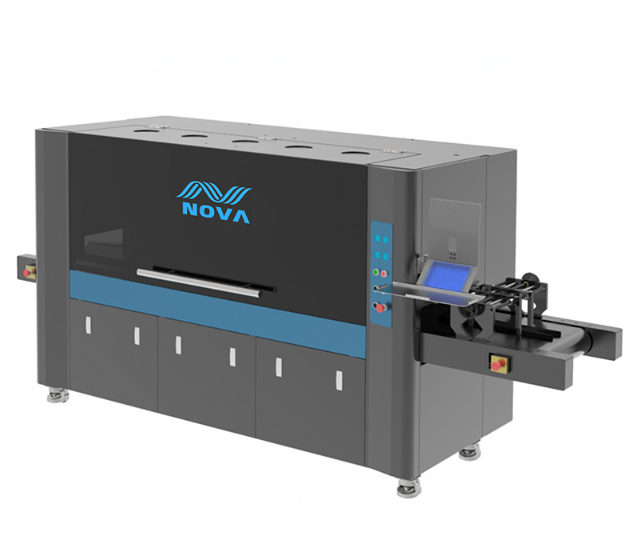
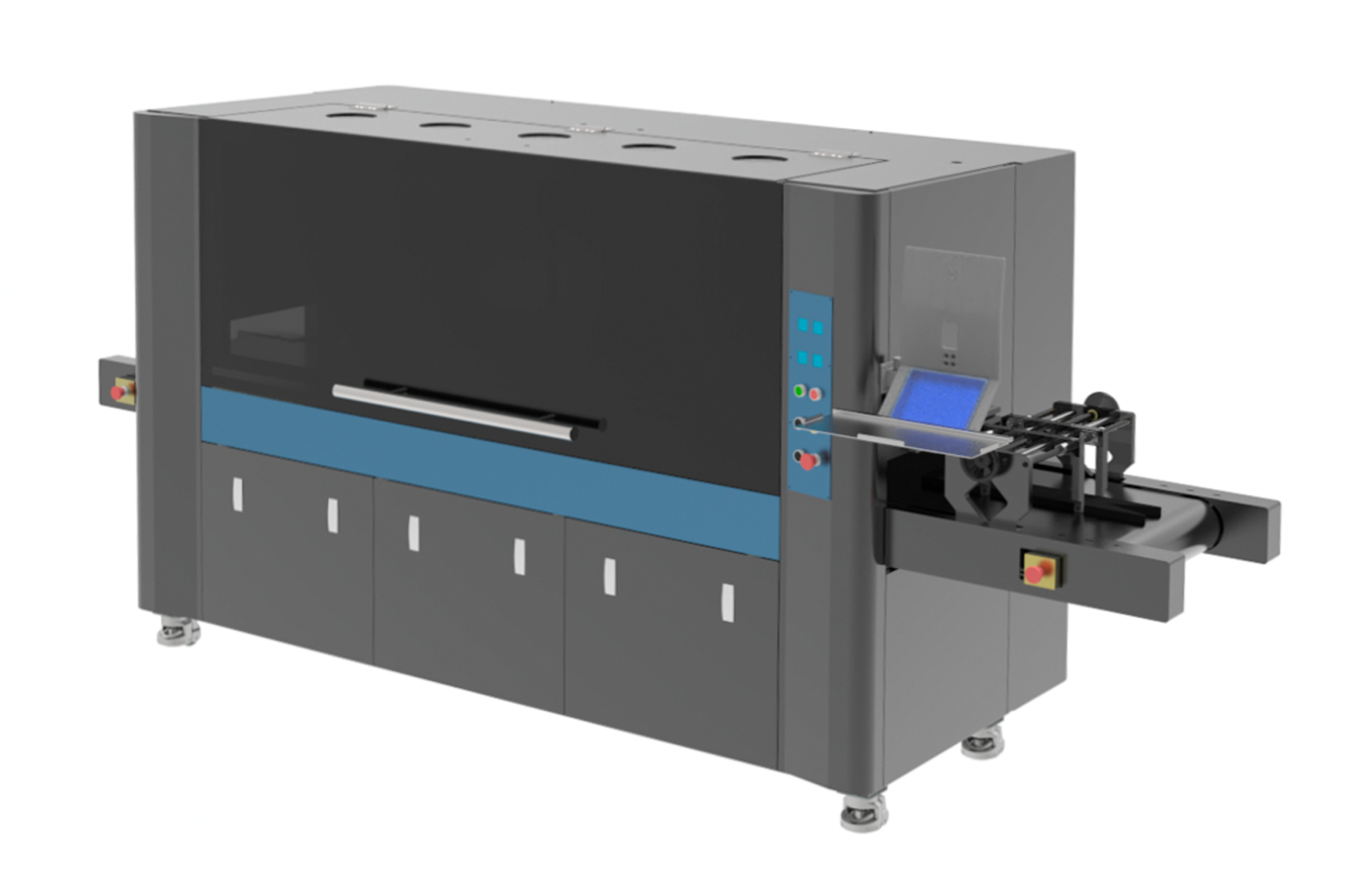
Industrial single pass printers are purpose-built for continuous, high-speed operation in demanding factory environments. Unlike scanning systems that move printheads back and forth, single pass technology keeps printheads stationary while the substrate moves beneath them, completing full-color imaging in one pass. This architecture delivers throughput up to 300% higher than conventional systems, with speeds reaching 150 feet per minute or more. The fixed printhead design minimizes moving parts, significantly reducing maintenance requirements and improving long-term reliability. These printers accommodate a wide range of substrates including corrugated board, wood, metal, textiles, and plastics, with adjustable platen gaps for materials up to 50mm thick. Integrated with UV-LED curing, inline coating, and vision inspection modules, industrial single pass printers transform standalone printing into complete production lines capable of 24/7 operation.
Get A Quote
Case Study

Corrugated Packaging Plant Quadruples Throughput

A corrugated packaging facility processing 10,000 boxes per shift with flexographic printing faced lengthy setup times and limited design flexibility. Installing an industrial single pass printer with UV-LED curing boosted output to 150 boxes per minute, a 400% increase over their previous capacity. The system enabled variable data printing, allowing unique QR codes and batch information on every box for enhanced supply chain visibility. Within six months, the plant doubled overall production capacity, reduced labor costs by 35%, and cut ink waste by half while meeting growing e-commerce packaging demands.

Wood Flooring Manufacturer Opens Customization Revenue

A wood flooring manufacturer previously limited to roller-coated grain patterns struggled to differentiate in a competitive market. An industrial single pass UV printer enabled full-color wood grain simulation and custom logo printing at 60 planks per minute. The printer's rugged design handles dust and vibration effortlessly in the mill environment. Within one year, the manufacturer launched a personalized flooring line for hotels and commercial spaces, achieving 50% higher margins on custom orders while reducing setup time from hours to minutes.

Textile Mill Transitions from Rotary Screens to Digital

A textile mill producing home furnishings relied on rotary screen printing with expensive screens and high water consumption. Switching to an industrial single pass pigment printer eliminated screens entirely and reduced water usage by 90%. The system prints short runs of curtains and upholstery with rapid color changes, reducing lead times from weeks to days. The mill secured fast-fashion contracts requiring frequent design iterations, increasing their customer base by 40% within the first year of operation.

Related products

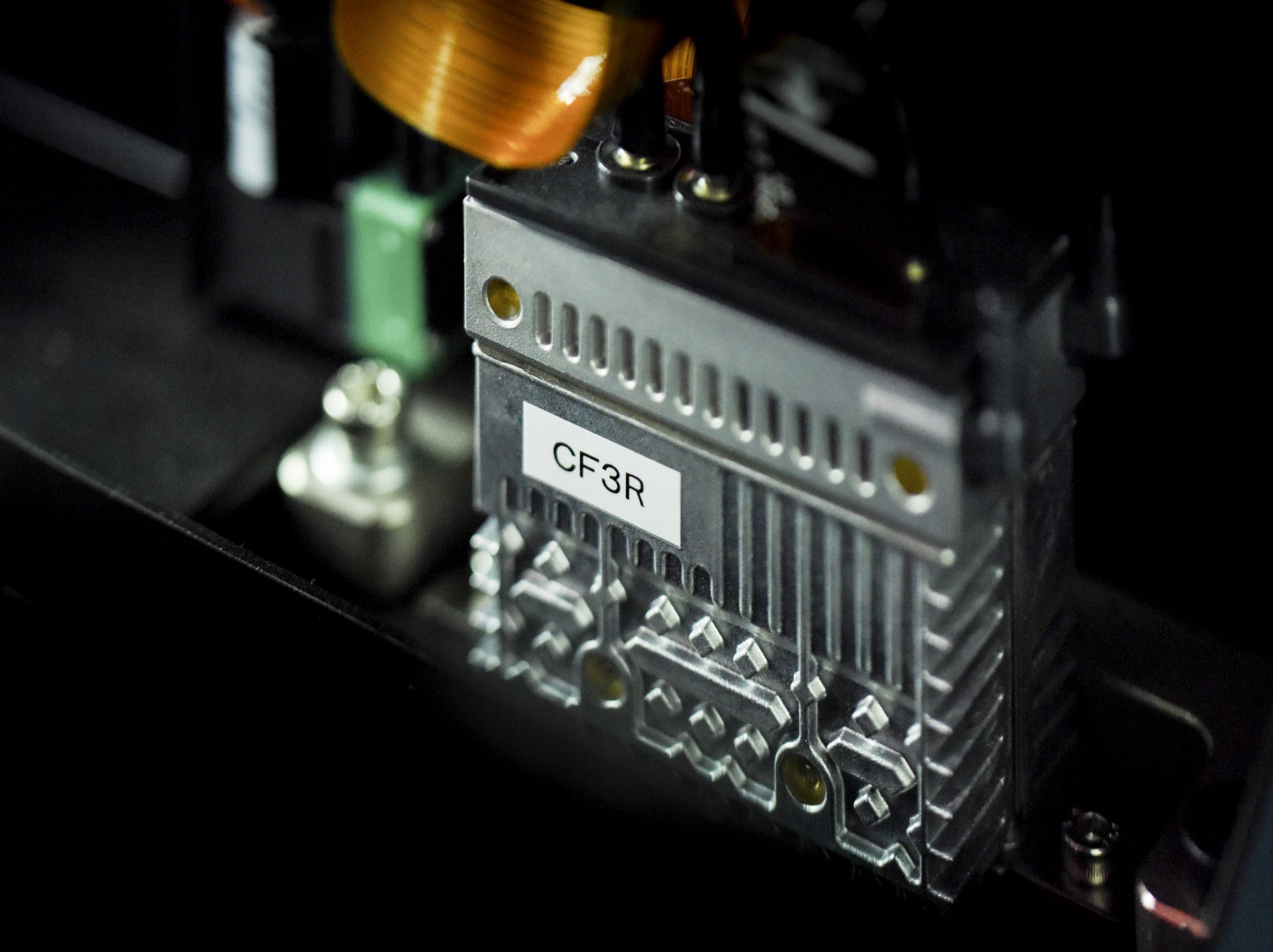
NOVA's TITAN series represents the pinnacle of industrial single pass printing engineering. Built with a modular, heavy-duty frame, these printers accommodate up to eight color channels with multiple printhead configurations including RICOH Gen6 and RISO CF3R options. The TITAN features automatic nozzle compensation, real-time temperature control, and a powerful vacuum belt system for substrate stability during high-speed operation. Its intelligent touchscreen interface allows operators to load jobs, adjust print parameters, and monitor production metrics instantly. Optional inline modules add plasma pretreatment, UV-LED curing, coating, and slitting capabilities, transforming the TITAN into a complete, end-to-end production line. The printer supports both roll and sheet feeding, offering exceptional versatility for converters and manufacturers. With a rugged construction designed for high-temperature, dusty environments, the TITAN delivers reliable service over years of continuous operation. NOVA's global service network provides rapid response times and spare parts availability, ensuring minimal downtime and maximum return on investment for industrial producers worldwide.

Frequently Asked Questions

What defines an industrial single pass printer?

It is a high-speed digital printer with stationary printheads that print full images in one pass, designed for continuous operation in demanding factory environments.
They accommodate corrugated board, wood, metal, textiles, plastics, glass, and composites up to 50mm thick with adjustable platens.
Speeds range from 50 to 150 meters per minute depending on resolution and ink coverage, matching most high-volume production lines.
Daily printhead cleaning and periodic calibration are standard, with major servicing recommended every 3000 operating hours for optimal performance.
Yes, they feature standard conveyor synchronization interfaces, and NOVA's engineering team customizes mounting and control integration.

Related article

How does UV inkjet printing on wood compare to traditional wood printing methods?

30

Jun

How does UV inkjet printing on wood compare to traditional wood printing methods?

Curing on Contact Versus Soaking Into the Grain The fundamental difference between UV inkjet and traditional wood printing comes down to how the ink behaves once it hits the surface. Screen printing and pad printing typically rely on solvent based ...
View More
Why is non-contact printing a major advantage of industrial inkjet?

30

Jun

Why is non-contact printing a major advantage of industrial inkjet?

The Physics of Printing Without a Squeegee Industrial inkjet belongs to a category that engineers call non-impact printing, but the practical meaning runs much deeper than the absence of a strike plate. In a contact based system like pad printing o...
View More
Why is cylinder inkjet printing faster than traditional screen printing for bottles?

30

Jun

Why is cylinder inkjet printing faster than traditional screen printing for bottles?

The Rotation Problem That Cylinder Inkjet Solved Bottles are round, and round objects hate staying still. Traditional screen printing on cylindrical containers relies on a curved screen that rocks across the bottle surface while a stationary squeeg...
View More
Why should your business invest in a bottle inkjet printer for labeling?

30

Jun

Why should your business invest in a bottle inkjet printer for labeling?

The Hidden Cost of Label Inventory Every pre-printed label sitting on a warehouse shelf represents cash that cannot be used for anything else. A beverage brand with 15 SKUs, each requiring labels in three sizes and two languages, can easily carry o...
View More

Customer Testimonials

Sarah J.

The TITAN single pass printer doubled our production capacity and reduced setup time by 90%. We run it 22 hours daily, and it performs flawlessly. Print quality on corrugated is outstanding, and ink savings are substantial. This machine transformed our packaging operation completely.

David R.

We installed two TITAN printers in our textile facility. They handle high humidity and lint with ease. Color consistency remains excellent across long runs, and the variable data feature enables individual product labeling. A game-changing investment for our business.

Get a Free Quote

Our representative will contact you soon.
Email
Mobile/WhatsApp
Name
Company Name
Message
0/1000
Engineered for Maximum Durability

Engineered for Maximum Durability

Industrial single pass printers are constructed with welded steel frames, enclosed printhead bays, and active cooling systems to withstand factory heat, dust, and vibration. Components are rated for millions of operational cycles, and built-in self-diagnostic systems alert operators to potential issues before they cause downtime. This robust engineering ensures consistent, high-quality output over years of continuous heavy use, protecting your production investment.
Unmatched Substrate and Ink Versatility

Unmatched Substrate and Ink Versatility

These printers accept an extraordinary range of materials—from thin films and flexible packaging to thick boards, textiles, metals, and ceramics. Quick-change printhead modules and multiple ink types (UV, solvent, or aqueous) allow a single machine to serve diverse product lines. This flexibility enables manufacturers to respond rapidly to changing market demands without additional capital equipment.
Integrated Quality Assurance for Zero-Defect Production

Integrated Quality Assurance for Zero-Defect Production

Industrial models incorporate inline cameras and spectrophotometers that inspect every printed unit for defects, color accuracy, and registration in real time. Automatic feedback loops enable instantaneous adjustments, rejecting errors before they reach the customer. This quality assurance capability reduces material waste significantly and protects brand reputation by ensuring only perfect prints leave the factory floor.