Industrial Digital Printer for Bottles: Zero Plates, 60 BPM

All Categories

Industrial Digital Printer For Bottles: Mass Production With Zero Plates

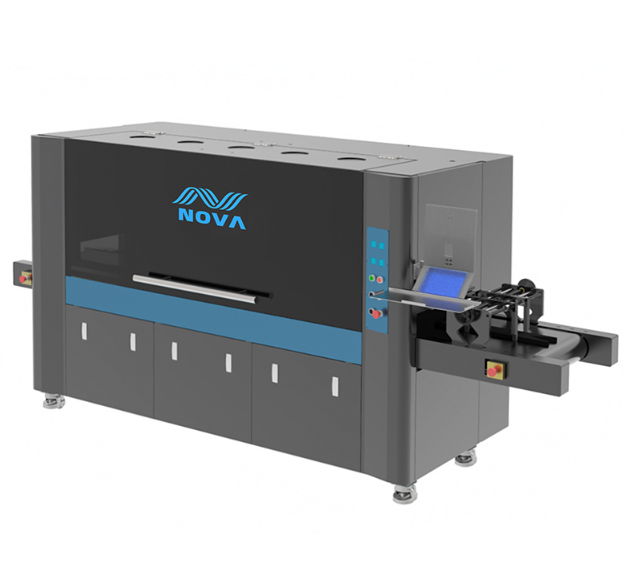
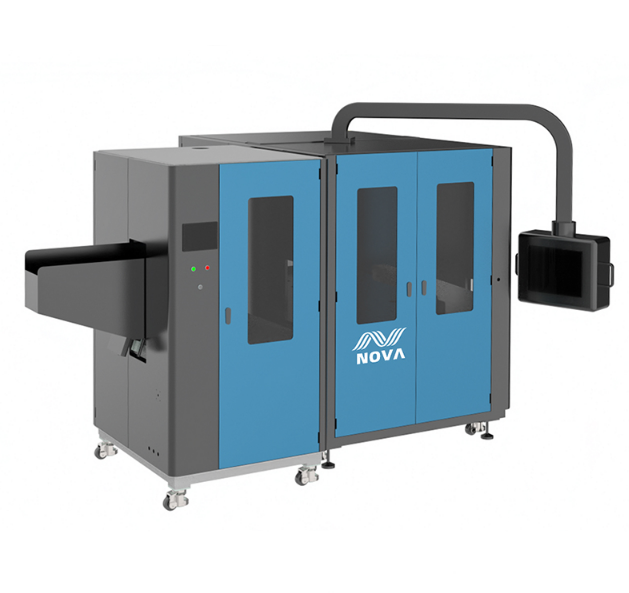
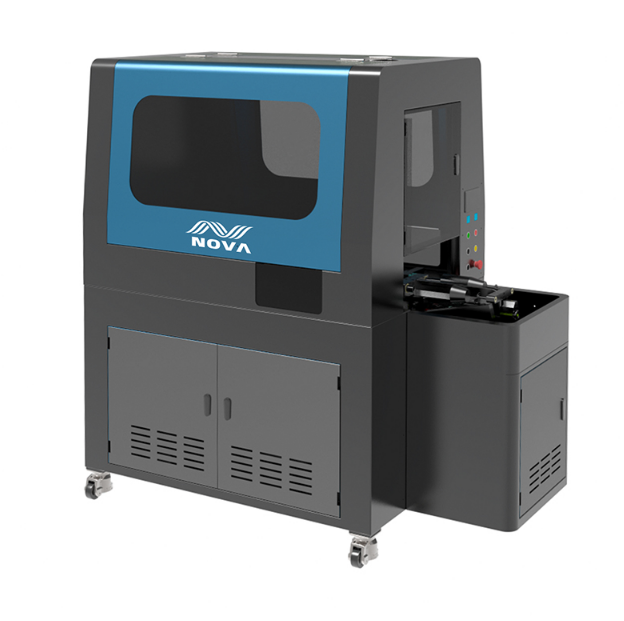
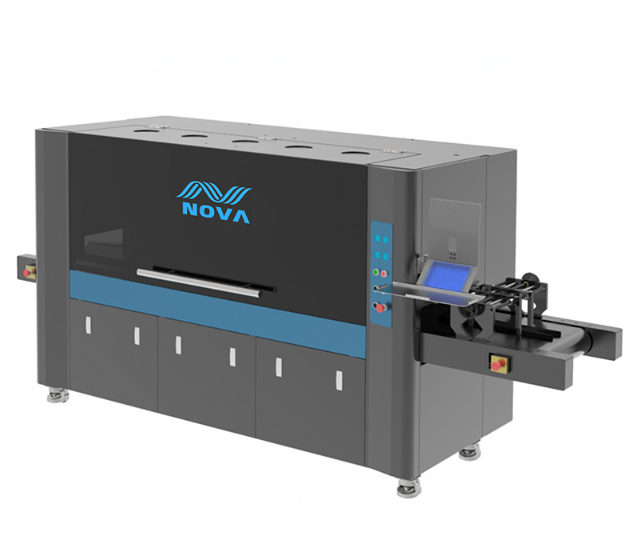
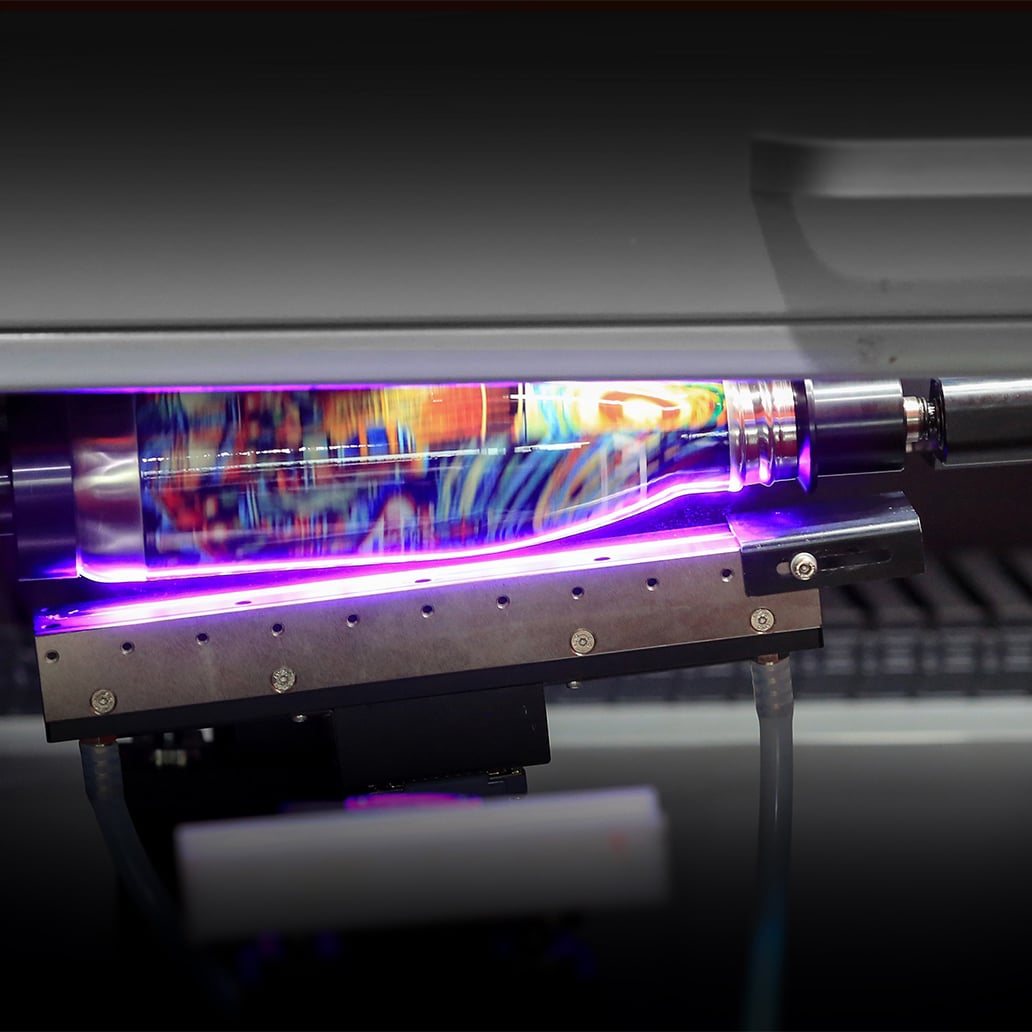
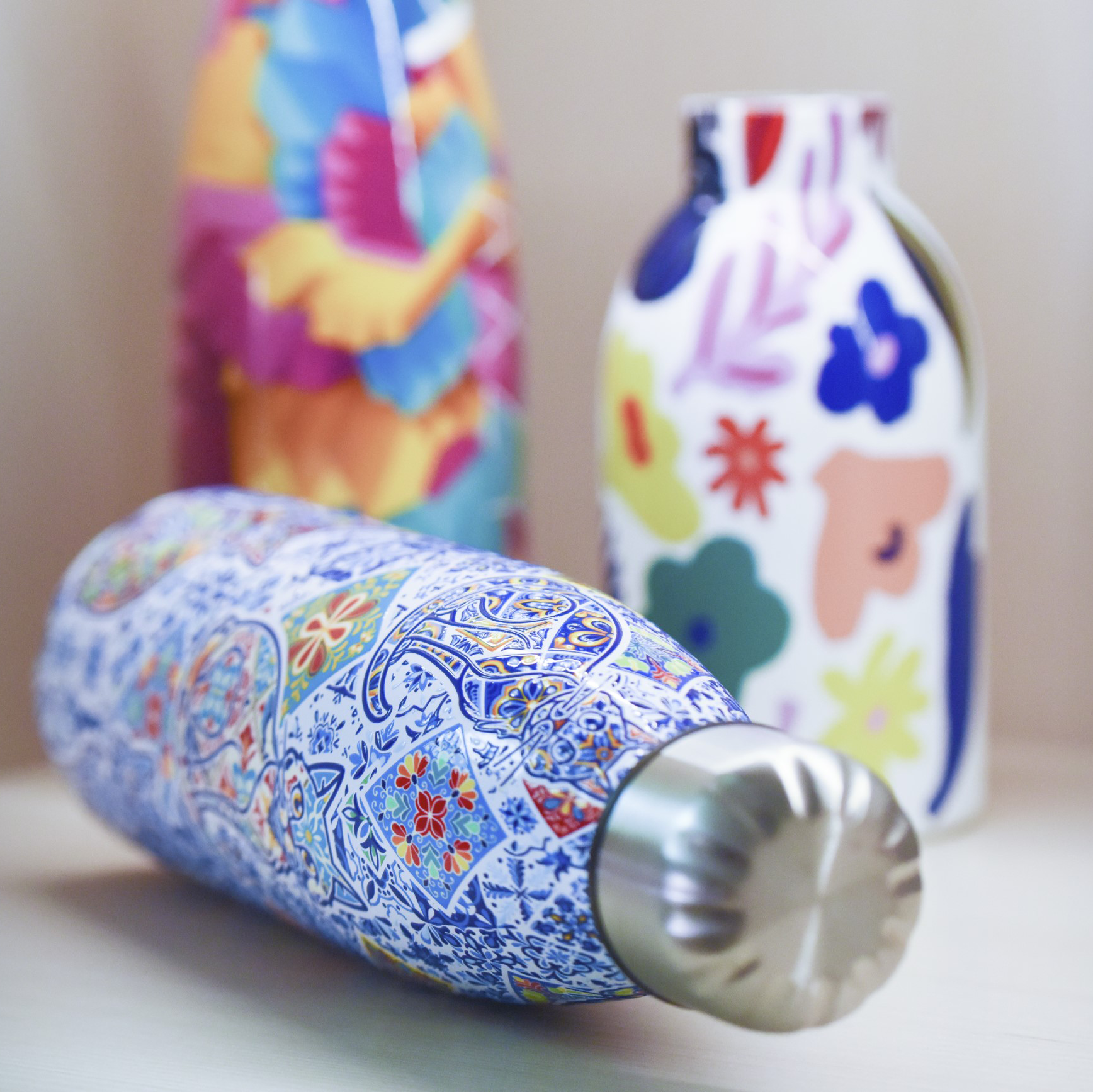
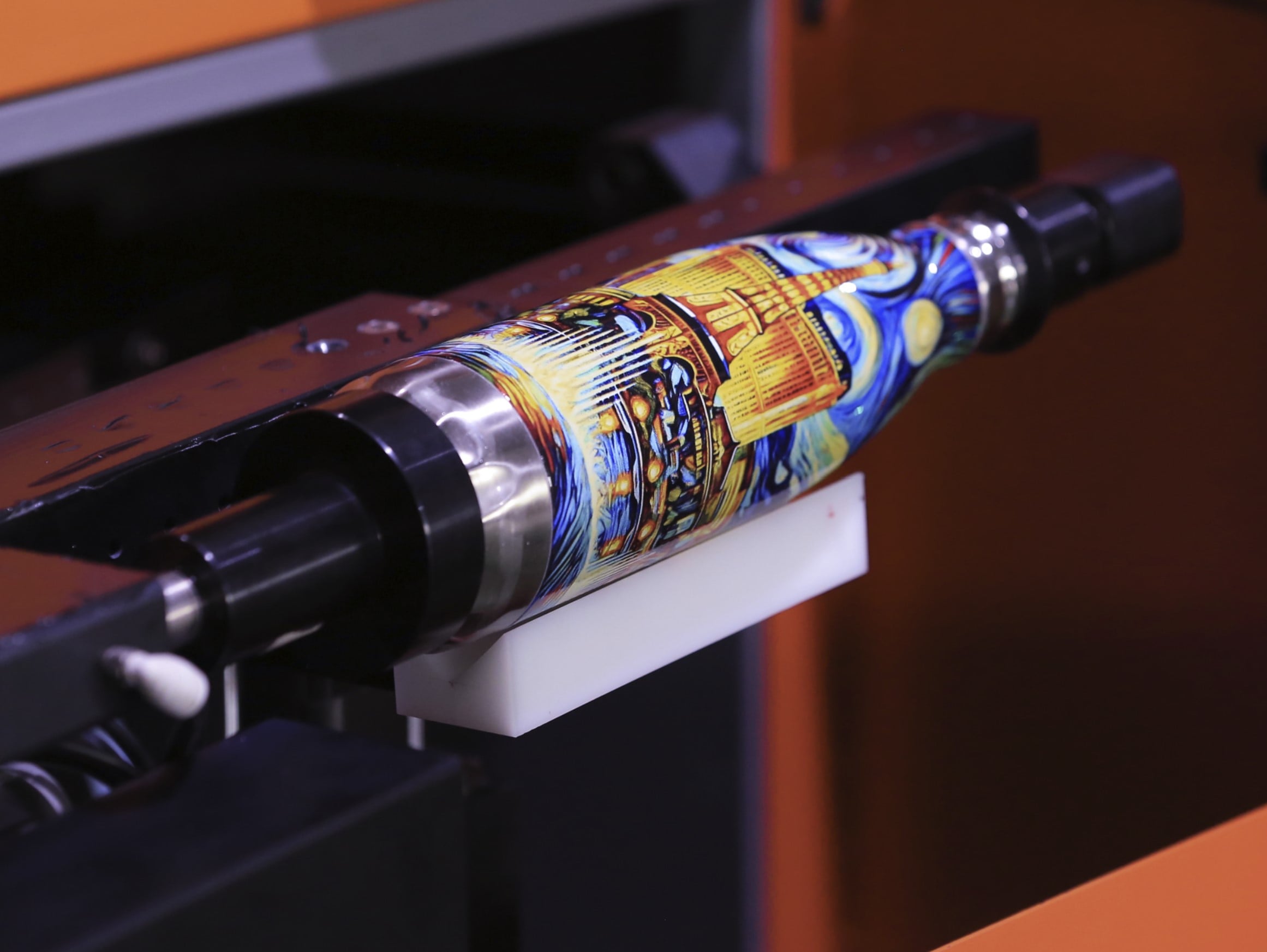
The NOVA industrial digital printer for bottles is built for high-capacity lines, delivering full-color direct decoration at speeds up to 60 bottles per minute. It replaces traditional screen printing and labeling, drastically reducing consumables and changeover time. A major Southeast Asian water bottler installed five of these printers and now decorates over 300 million bottles annually with a combined uptime of 98.9%. The machine’s linear motor-driven transport and granite base ensure sub-0.05mm registration at speed, critical for brand logos. Inline plasma treatment and UV LED curing handle any glass or plastic bottle coating, while automated vision inspection ejects defects. Bulk ink supply supports non-stop shifts, and Industry 4.0 connectivity provides real-time OEE data to your factory MES, making it the definitive production tool for large-scale bottlers.
Get A Quote

Case Study

Global Spirits Company Digitizes Decoration

A multinational spirits conglomerate deployed NOVA industrial digital printers for bottles across three European plants to unify decoration quality and reduce costs. They replaced 22 screen printing lines, eliminating over 15,000 screen plates and 80 tons of chemical waste annually. The digital printers run at 50 bottles per minute, 24/5, with instant changeovers between vodka, gin, and liqueur bottles. Print registration accuracy held within 0.03mm, ensuring the iconic brand crest appeared identical on every bottle. Inline spectrophotometers maintained brand color within Delta E 1.2 across all locations. The project reduced per-bottle decoration cost by 35% and won the company’s internal innovation award. The industrial digital printers’ reliability and flexibility have now been specified for all new decoration investments globally.

Beverage Co-Packer Adds High-Mix Digital Capability

A large contract beverage packer in the US installed a NOVA industrial digital printer for bottles to attract niche brands that needed low-volume, high-quality runs. The machine handles 30 different bottle shapes monthly, with digital changeovers taking seconds. They now print colorful, full-wrap designs for small kombucha, cold brew, and craft soda brands at 40 bottles per minute. This digital capability opened a new revenue stream worth $2.8 million in its first year. Customers praised the lack of plate costs and 72-hour order turnaround, which allowed them to test market flavors without risk. The packer’s plant manager noted that the industrial digital printer’s rugged construction and self-maintenance routines were key to surviving a dusty, fast-paced co-packing environment without performance loss.
Glass Bottle Manufacturer Enters Value-Added Services

A large Indian glass bottle manufacturer diversified by installing NOVA industrial digital printers for bottles directly at their factory. They now offer “decorated glass” as a value-added service, printing food-grade durable labels for sauce and pickle jars at 55 bottles per minute. This eliminated paper labels and adhesives for their food brand clients, meeting increasing demand for sustainable, mono-material packaging. One major client converted 12 SKUs to direct digital print, reducing their packaging weight by 15%. The glassmaker’s new decoration business generated $5 million in revenue in the second year with margins above 35%. The printers’ integration with their cold-end coating line was seamless, and the automated ink logistics enabled continuous production.

Related products

The transition from analog to digital in high-volume bottle decoration is accelerating, and NOVA Inkjet Technology’s industrial digital printer for bottles is the platform driving this change. Designed for 24/7 operation in demanding factory environments, our printer combines single-pass UV inkjet technology with heavy-duty automation to deliver millions of perfectly decorated bottles per year per machine. The printer’s granite composite base provides thermal stability, while linear motor drives eliminate mechanical backlash, maintaining precise registration through millions of cycles. At a German brewery, one industrial digital printer runs 6,000 hours annually with a mean time between failures of 4,300 hours. Bulk ink management with 20-liter tanks and automatic degassing enables 16-hour unattended shifts. Comprehensive safety features, including Category 4 light curtains and interlocked guards, meet ISO 13849 PLd. NOVA’s remote diagnostics monitor every printhead nozzle, predict failures, and allow firmware updates over-the-air. Our industrial digital printers are CE, FCC, and UL certified. By adopting this technology, large-scale bottlers and co-packers can reduce environmental impact, slash operational costs, and gain the agility to execute mass customization at production speeds.

Frequently Asked Questions

What is the maximum throughput of this industrial digital printer?

It prints up to 60 bottles per minute, translating to 3,600 per hour. Actual speed depends on image coverage and bottle diameter. A wine bottler achieves 45 bottles per minute for full-wrap, photo-quality designs.
Yes, NOVA engineers analyze your line layout and provide custom conveyor interfaces and synchronization signals. The printer matches your filler speed, and accumulation buffers ensure zero downtime on either machine.
For runs under 500,000 bottles, digital is significantly cheaper due to zero plate costs and instant changeover. Even for longer runs, the elimination of chemical waste and reduced labor often make digital more economical, with a 20-40% total cost reduction.
We use low-migration UV inks for food and beverage, and durable UV inks for cosmetics and spirits. Bulk ink systems supply 20-liter tanks with recirculation and automatic viscosity control, ensuring consistent color and minimal operator involvement.
Absolutely. The printer handles PET, PP, and HDPE bottles in addition to glass. The inline plasma or flame treatment module adjusts surface energy for optimal adhesion on various plastics, confirmed through thorough lab testing with your samples.

Related article

How does UV inkjet printing on wood compare to traditional wood printing methods?

30

Jun

How does UV inkjet printing on wood compare to traditional wood printing methods?

Curing on Contact Versus Soaking Into the Grain The fundamental difference between UV inkjet and traditional wood printing comes down to how the ink behaves once it hits the surface. Screen printing and pad printing typically rely on solvent based ...
View More
Why is non-contact printing a major advantage of industrial inkjet?

30

Jun

Why is non-contact printing a major advantage of industrial inkjet?

The Physics of Printing Without a Squeegee Industrial inkjet belongs to a category that engineers call non-impact printing, but the practical meaning runs much deeper than the absence of a strike plate. In a contact based system like pad printing o...
View More
Why is cylinder inkjet printing faster than traditional screen printing for bottles?

30

Jun

Why is cylinder inkjet printing faster than traditional screen printing for bottles?

The Rotation Problem That Cylinder Inkjet Solved Bottles are round, and round objects hate staying still. Traditional screen printing on cylindrical containers relies on a curved screen that rocks across the bottle surface while a stationary squeeg...
View More
Why should your business invest in a bottle inkjet printer for labeling?

30

Jun

Why should your business invest in a bottle inkjet printer for labeling?

The Hidden Cost of Label Inventory Every pre-printed label sitting on a warehouse shelf represents cash that cannot be used for anything else. A beverage brand with 15 SKUs, each requiring labels in three sizes and two languages, can easily carry o...
View More

Customer Testimonials

Patrick O’Sullivan

We run this industrial printer 24/5 producing 1.5 million decorated spirit bottles monthly. The digital quality surpasses our old screen printing, and we’ve cut scrap by 90%. The machine is a beast—reliable and precise. ROI was under 14 months.

Isabella Conti

Our co-packing business was transformed by NOVA’s industrial digital printer. We now handle 100 different SKUs per month with digital ease. Clients rave about the photo-quality labels and our 48-hour turnaround. We’ve added two more units.

Get a Free Quote

Our representative will contact you soon.
Email
Mobile/WhatsApp
Name
Company Name
Message
0/1000
Vibration-Dampened Granite Motion Platform

Vibration-Dampened Granite Motion Platform

At industrial speeds, vibration is the enemy of print quality. NOVA’s printer employs a granite machine base and bridge, which offers exceptional mass and thermal stability compared to welded steel frames. This absorbs vibrations from surrounding filling equipment, maintaining a stable distance between printheads and the bottle surface. A diagnostic study at a plant with heavy machinery found that our granite platform reduced micro-vibrations by 85%, directly correlating to improved sharpness. The linear motors provide frictionless acceleration, eliminating the backlash that causes banding in ball-screw systems. This foundation enables the printer to hold ±0.04mm registration across billions of cycles, a key requirement for high-speed brand logo reproduction and barcode legibility.
Inline Quality Inspection And Closed-Loop Control

Inline Quality Inspection And Closed-Loop Control

High-volume production demands automated quality assurance. NOVA integrates a multi-camera vision system that inspects every printed bottle at line speed, checking for missing nozzles, color accuracy, and barcode readability. Defective bottles are instantly ejected, and the system provides real-time trend analysis. A water bottler reported that this feature reduced customer complaints by 99.5% within one month. The inspection data feeds into closed-loop color management, automatically adjusting ink density to maintain Delta E below 1.5. This ensures brand consistency across global plants and production shifts. Historical data logs with bottle images provide full traceability for audits, meeting the stringent requirements of multinational food and beverage companies.
Total Cost Of Ownership Advantages Over Analog

Total Cost Of Ownership Advantages Over Analog

When comparing industrial digital printers for bottles to traditional screen printing lines, the economic advantages are compelling. Digital eliminates the recurring costs of screens, films, chemicals, and the labor for their reclamation. A spirits producer documented a 42% reduction in total decoration cost per bottle after switching to NOVA’s industrial digital printer, including a 65% drop in energy use from eliminating thermal cure ovens. Water usage dropped to near zero. The rapid digital changeover capability reduces downtime, increasing line availability by up to 18%. Additionally, digital enables just-in-time production, drastically reducing pre-printed inventory and associated carrying costs. These operational savings compound to deliver a powerful return on investment.