Cylinder Inkjet Printer: UV Digital Printing for Bottles & Cans

All Categories

Versatile Cylindrical Inkjet Printing for Glass, Metal and Plastic

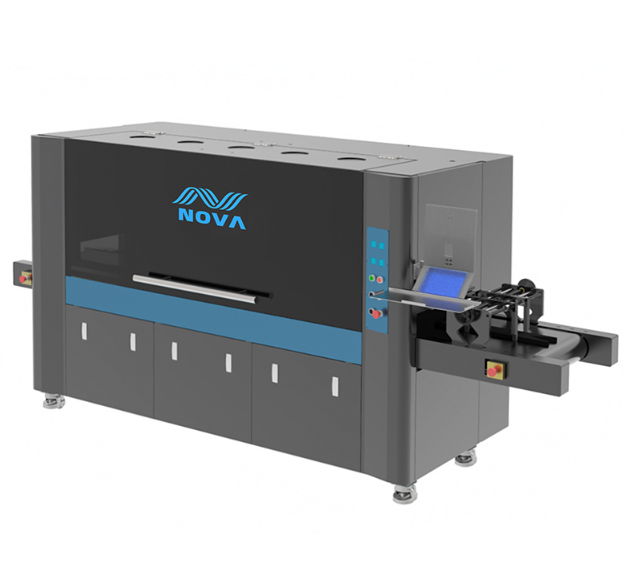
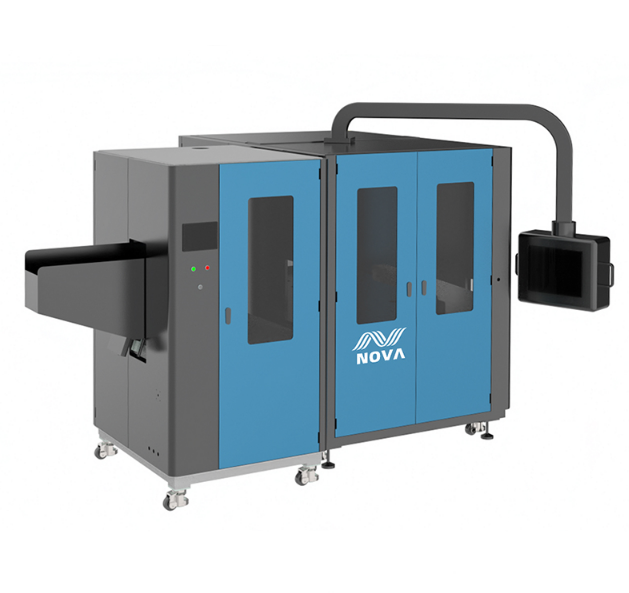
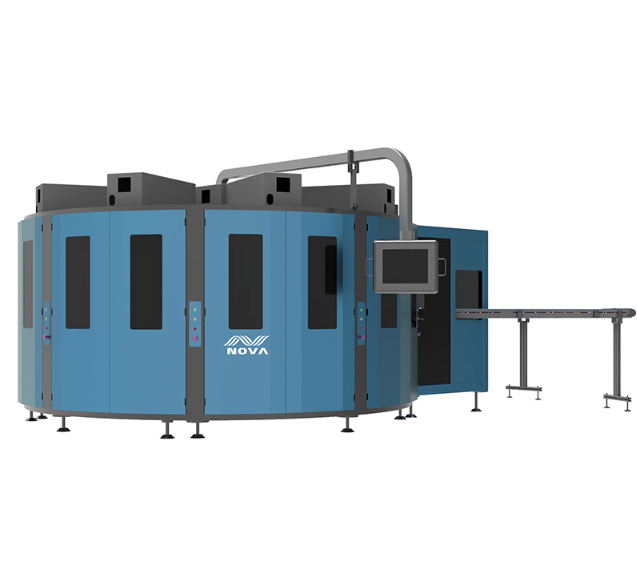
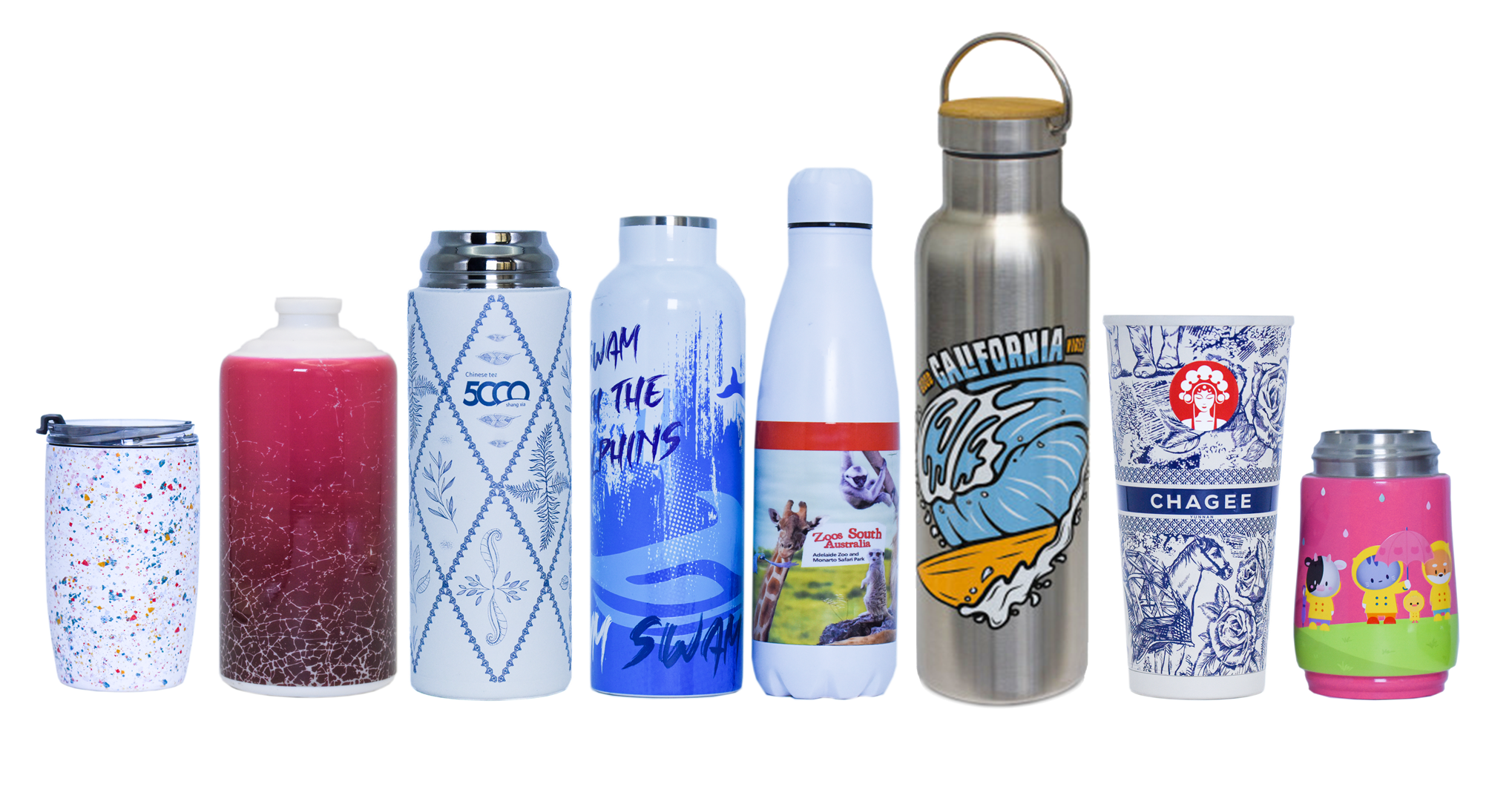
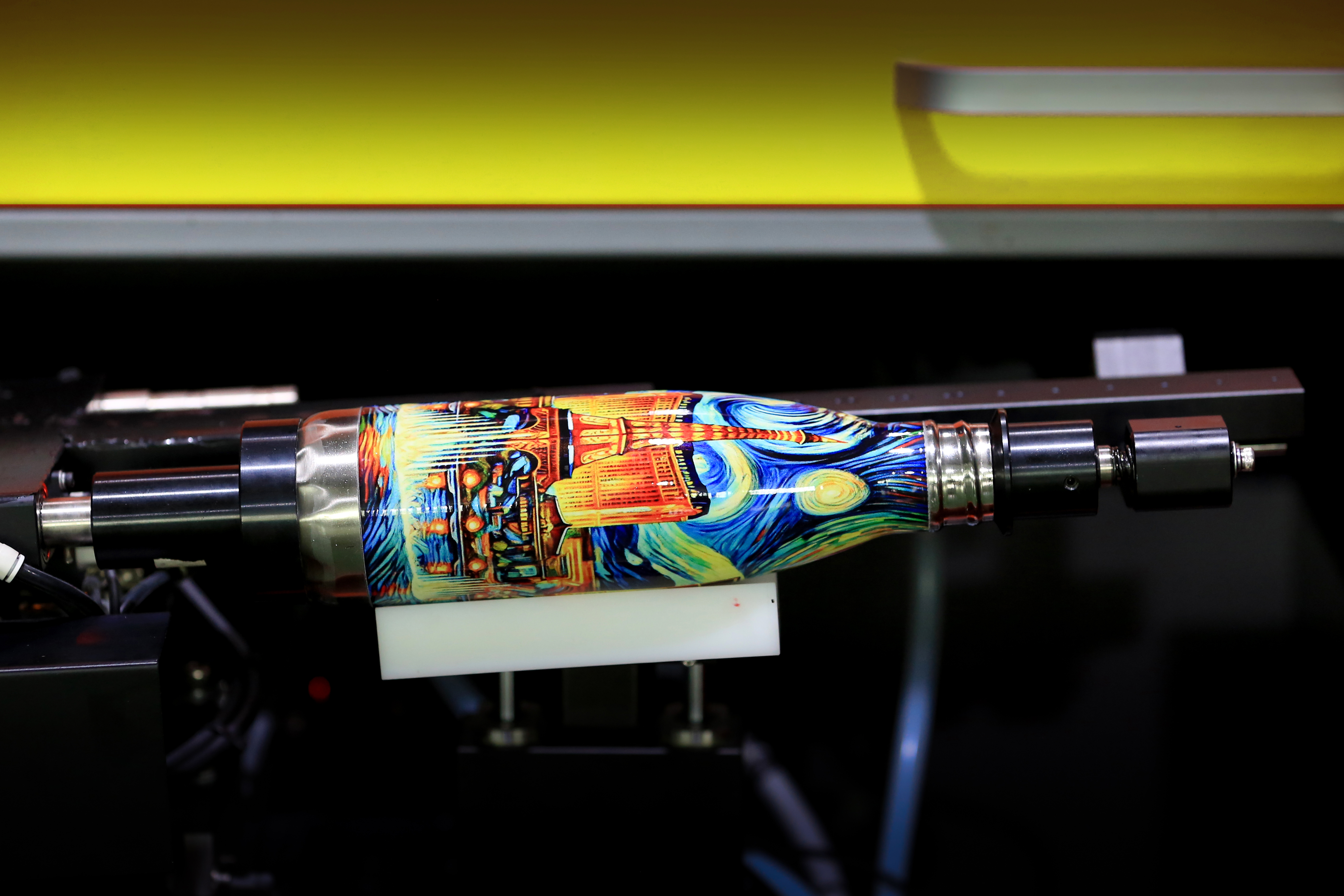
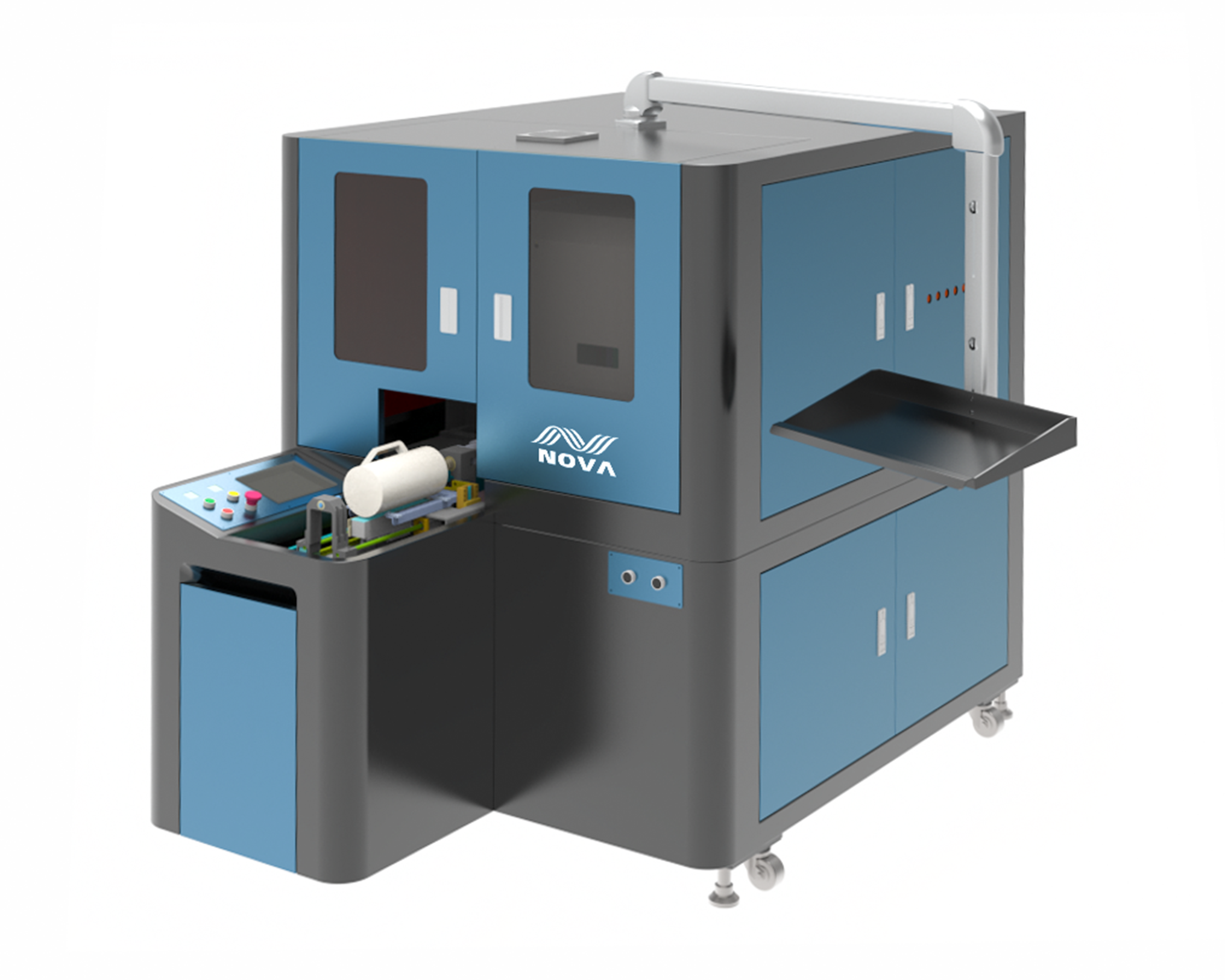
NOVA's inkjet printer for cylindrical objects delivers exceptional print quality on curved surfaces through advanced drop-on-demand technology and precision rotary motion. The printer accommodates cylinders from 10mm to 200mm in diameter, handling glass bottles, metal cans, plastic tubes, and ceramic mugs with consistent 1200 dpi resolution. UV inks cure instantly under LED light, creating scratch-resistant, chemical-proof prints that withstand harsh handling and environmental exposure. The global direct-to-object inkjet printing market was valued at $4.2 billion in 2024 and is projected to reach $11.8 billion by 2033 at 11.9% CAGR. NOVA's printer captures this growing demand with adjustable fixtures that enable quick changeovers between different product types, reducing setup time by 80% compared to traditional pad printing. The ink delivery system maintains consistent dosing across extended runs, eliminating banding and color variation.
Get A Quote

Case Study

Luxury Spirits Brand Elevates Packaging with Custom Cylinder Printing

A luxury spirits brand wanted to differentiate its premium whiskey bottles with personalized labels for corporate gifting. Traditional screen printing required 2,000-unit minimum orders, making short runs economically unviable. NOVA's inkjet printer for cylindrical objects enabled digital, on-demand printing with no minimum quantity. The brand now produces runs as small as 50 bottles with full-color, photo-quality graphics at 1200 dpi resolution. UV-cured inks create metallic-effect finishes that withstand condensation and handling without degradation. Within 18 months, the brand expanded its customization program to 450 corporate clients, increasing gifting revenue by 78%. The printer's ability to handle varying bottle shapes—from round to square with curved edges—eliminated the need for multiple labeling solutions. Setup for each new design takes under 10 minutes, enabling rapid response to client requests and seasonal campaigns.

Electronics Manufacturer Prints Durable Markings on Cylindrical Components

An electronics manufacturer needed permanent, high-contrast markings on cylindrical connectors and housings for aerospace applications. Laser engraving risked damaging sensitive components, while inkjet printing required inks resistant to extreme temperatures and solvents. NOVA's inkjet printer for cylindrical objects delivered UV-cured ceramic-compatible inks that withstand 200°C temperatures and chemical exposure. The printer's rotary system handles component diameters from 15mm to 80mm with ±0.05mm positional accuracy. Over two years, the manufacturer printed 2.8 million components with zero marking failures, passing rigorous aerospace quality audits. The digital workflow eliminated stencil costs and reduced lead time from 14 days to 48 hours for new part markings. The printer's automated cleaning cycles maintained print head performance across 5,000-hour operation intervals, minimizing maintenance interventions. This solution saved $210,000 annually compared to external marking ser

Artisanal Ceramics Studio Expands Product Line with On-Demand Printing

An artisanal ceramics studio produced hand-thrown mugs and vases but lacked capacity for decorative printing beyond simple glazes. Customers requested custom designs on cylindrical ceramic pieces, but outsourcing screen printing was cost-prohibitive for small batches. NOVA's inkjet printer for cylindrical objects enabled in-house digital printing on ceramic surfaces using specialized UV inks that fuse with glazed finishes. The studio now offers unlimited design options with no setup fees, printing runs from one to 500 pieces with consistent quality. The printer accommodates cylinder diameters from 60mm to 180mm, covering the studio's entire product range. Within one year, the studio grew revenue by 140% through custom wedding favors, corporate gifts, and limited-edition collections. The printer's user-friendly interface allowed the studio's artisans to operate the machine without technical training, maintaining the creative workflow.

Related products

NOVA Inkjet Technology Co., Ltd. designs and manufactures digital inkjet printers specifically engineered for cylindrical objects, delivering industrial-grade performance with the flexibility of digital, on-demand production. Our printers feature RICOH Gen6 print heads with variable droplet technology, achieving photographic resolution on curved surfaces while maintaining production speeds up to 15 meters per minute. The servo-driven rotary system ensures precise 360-degree printing with ±0.1mm registration accuracy, eliminating the seam lines and distortion common in traditional cylinder printing methods. UV-LED curing modules instantly polymerize inks upon deposition, creating durable prints that resist scratching, chemicals, moisture, and UV fading. NOVA's printers support a wide range of cylindrical materials including glass, metal, plastic, ceramic, and composites, with adjustable parameters optimizing ink adhesion for each substrate. The digital workflow enables quick design changes, variable data printing, and short-run production without the setup costs and minimum quantities of traditional printing methods. Our proprietary ink circulation system maintains consistent color density across extended production runs exceeding 10,000 cycles, while automated print head cleaning ensures reliable performance with minimal operator intervention. With over 500 installations worldwide across cosmetics, packaging, pharmaceuticals, and promotional products industries, NOVA has established itself as a trusted provider of cylindrical inkjet printing solutions. Our printers comply with CE and RoHS standards, delivering sustainable printing that reduces waste and solvent emissions compared to analog alternatives. NOVA's global technical support team provides installation, training, and remote diagnostics, ensuring 98% uptime for production-critical operations.

Frequently Asked Questions

What types of cylindrical objects can this printer handle?

The printer handles bottles, cans, tubes, mugs, pipes, and vases made of glass, metal, plastic, and ceramic. Diameters from 10mm to 200mm are supported.
A servo-driven rotary table rotates each cylinder precisely under the inkjet heads, ensuring seamless wrap-around printing with ±0.1mm accuracy.
Yes, RICOH Gen6 print heads deliver 1200 dpi resolution with variable droplet sizes down to 3.5 picoliters, matching flatbed quality on curved surfaces.
UV-cured prints resist scratching, chemicals, moisture, and UV fading. They withstand 500+ abrasion cycles and harsh industrial environments.
Digital printing requires no minimum quantity. You can print a single prototype or 10,000 production units with the same setup efficiency.

Related article

How does UV inkjet printing on wood compare to traditional wood printing methods?

30

Jun

How does UV inkjet printing on wood compare to traditional wood printing methods?

Curing on Contact Versus Soaking Into the Grain The fundamental difference between UV inkjet and traditional wood printing comes down to how the ink behaves once it hits the surface. Screen printing and pad printing typically rely on solvent based ...
View More
Why is non-contact printing a major advantage of industrial inkjet?

30

Jun

Why is non-contact printing a major advantage of industrial inkjet?

The Physics of Printing Without a Squeegee Industrial inkjet belongs to a category that engineers call non-impact printing, but the practical meaning runs much deeper than the absence of a strike plate. In a contact based system like pad printing o...
View More
Why should your business invest in a bottle inkjet printer for labeling?

30

Jun

Why should your business invest in a bottle inkjet printer for labeling?

The Hidden Cost of Label Inventory Every pre-printed label sitting on a warehouse shelf represents cash that cannot be used for anything else. A beverage brand with 15 SKUs, each requiring labels in three sizes and two languages, can easily carry o...
View More
Why choose a customized printer over a standard off-the-shelf model?

30

Jun

Why choose a customized printer over a standard off-the-shelf model?

The Assumption Built Into Every Standard Printer An off-the-shelf industrial printer ships with a set of assumptions baked into its engineering. The designers picked a printhead type, a curing wavelength, a transport mechanism, and a control interf...
View More

Customer Testimonials

David Park

This printer transformed our spirits packaging business. We now offer custom-printed bottles with no minimum orders—our clients love the flexibility. Print quality rivals screen printing at 1200 dpi. UV-cured inks handle condensation perfectly. Setup under 10 minutes per design. Revenue from customization grew 78% in 18 months.

Robert Tanaka

We manufacture aerospace connectors requiring permanent, high-temperature markings. This printer delivers flawless prints on cylindrical components with ±0.05mm accuracy. UV inks withstand 200°C and chemicals. We printed 2.8 million parts with zero failures. Saved $210,000 annually versus outsourcing.

Get a Free Quote

Our representative will contact you soon.
Email
Mobile/WhatsApp
Name
Company Name
Message
0/1000
Digital On-Demand Printing Eliminates Minimum Order Constraints

Digital On-Demand Printing Eliminates Minimum Order Constraints

NOVA's inkjet printer for cylindrical objects enables true digital, on-demand printing with no minimum quantity requirements. Unlike traditional screen printing that requires costly stencils and setup fees for each design—making short runs economically unviable—NOVA's digital workflow allows manufacturers to print one unit or 10,000 units with identical setup efficiency. This capability opens new business models including personalized products, limited editions, regional variants, and on-demand fulfillment. The global shift toward customization drives demand for digital printing, with the direct-to-object market projected to grow from $4.2 billion in 2024 to $11.8 billion by 2033. NOVA's printer captures this opportunity with quick-change tooling that reduces job setup from 45 minutes to under 10 minutes.
Multi-Material Compatibility with Optimized UV Ink Formulations

Multi-Material Compatibility with Optimized UV Ink Formulations

NOVA's inkjet printer for cylindrical objects delivers exceptional adhesion across diverse materials through proprietary UV ink formulations engineered for specific substrates. The printer supports glass, metal, plastic, ceramic, and composite materials, with adjustable parameters for ink density, curing intensity, and print speed optimizing results for each material type. This multi-material capability eliminates the need for multiple specialized printers, reducing capital expenditure by up to 60%. For glass applications, NOVA's glass-specific inks create vivid, dishwasher-safe graphics that withstand repeated washing without fading. For metal surfaces, the inks bond to anodized, coated, and bare substrates, delivering chemical-resistant markings for industrial and automotive applications. For plastics, flexible ink formulations accommodate thermal expansion and contraction without cracking or delaminating.
Instant UV Curing Enables Immediate Downstream Processing

Instant UV Curing Enables Immediate Downstream Processing

NOVA's integrated UV-LED curing system polymerizes inks instantly upon deposition, transforming liquid ink into solid, durable prints in milliseconds. This instant curing eliminates the drying racks, waiting periods, and handling delays associated with solvent-based and conventional inkjet systems. Printed cylinders move immediately to downstream operations including filling, packaging, assembly, and shipping, reducing work-in-progress inventory by up to 70%. UV-LED technology consumes 60% less energy than traditional mercury arc lamps while delivering consistent curing across varying cylinder diameters and materials. The cured ink forms a robust molecular bond with the substrate surface, creating prints that resist scratching, chemical exposure, moisture, and UV degradation. Manufacturers report defect rate reductions from 8% to under 0.5% after adopting UV curing technology.