Cylindrical UV Printer: Industrial 360° Printing [1200dpi]

All Categories

Advanced Cylindrical UV Printer for Industrial-Grade Production

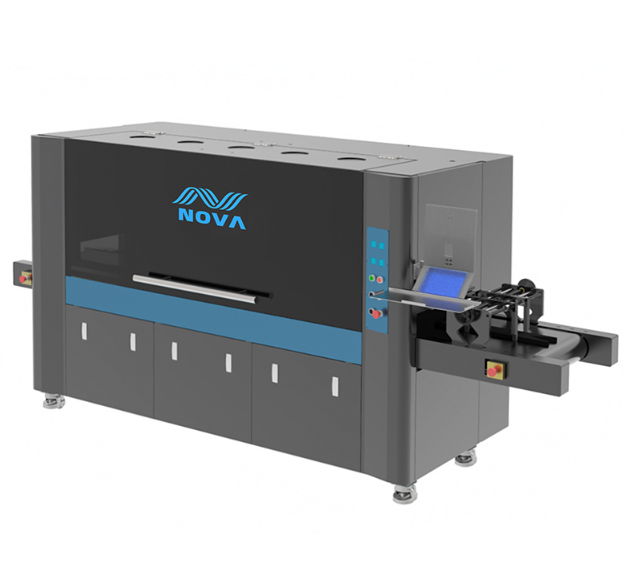
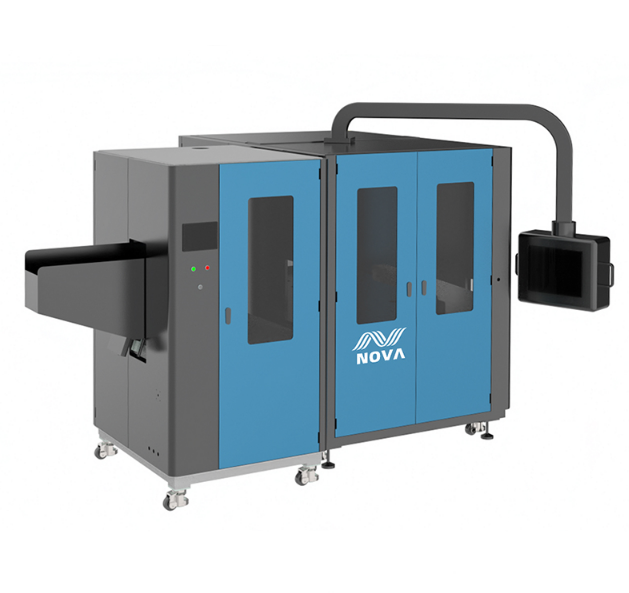
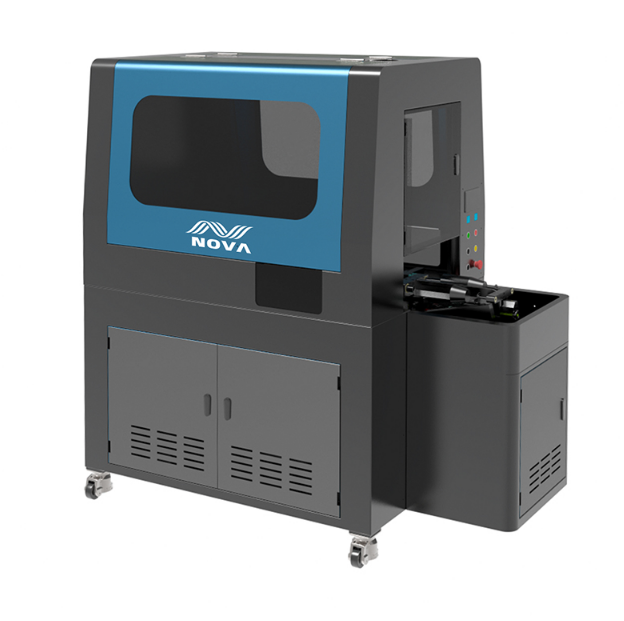
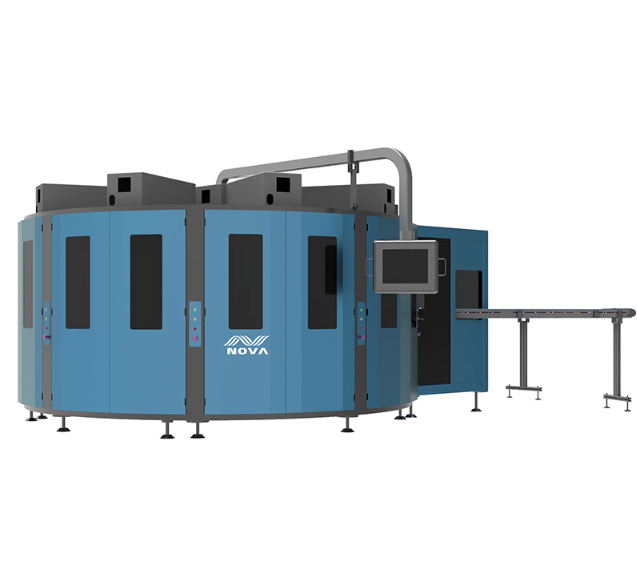
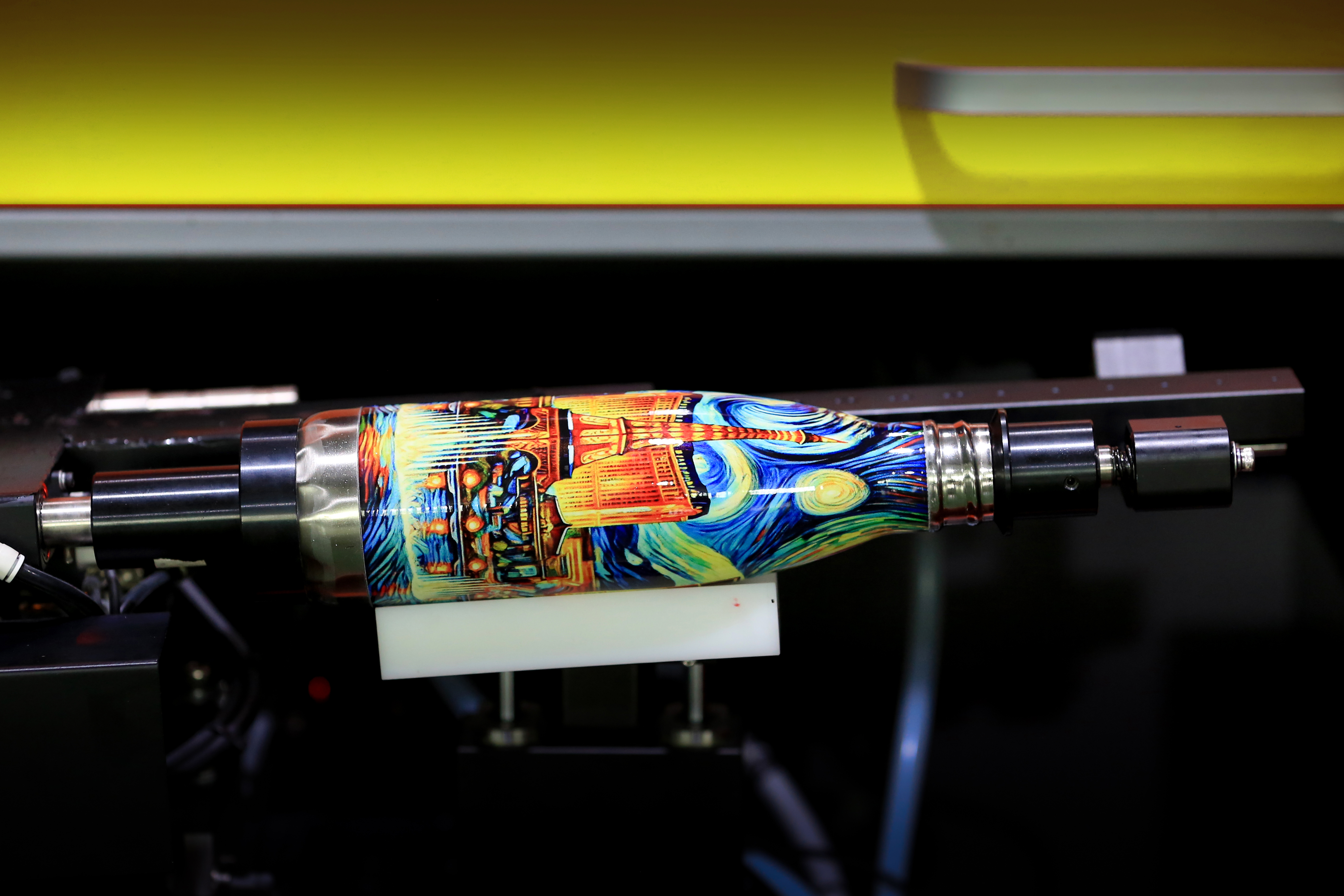
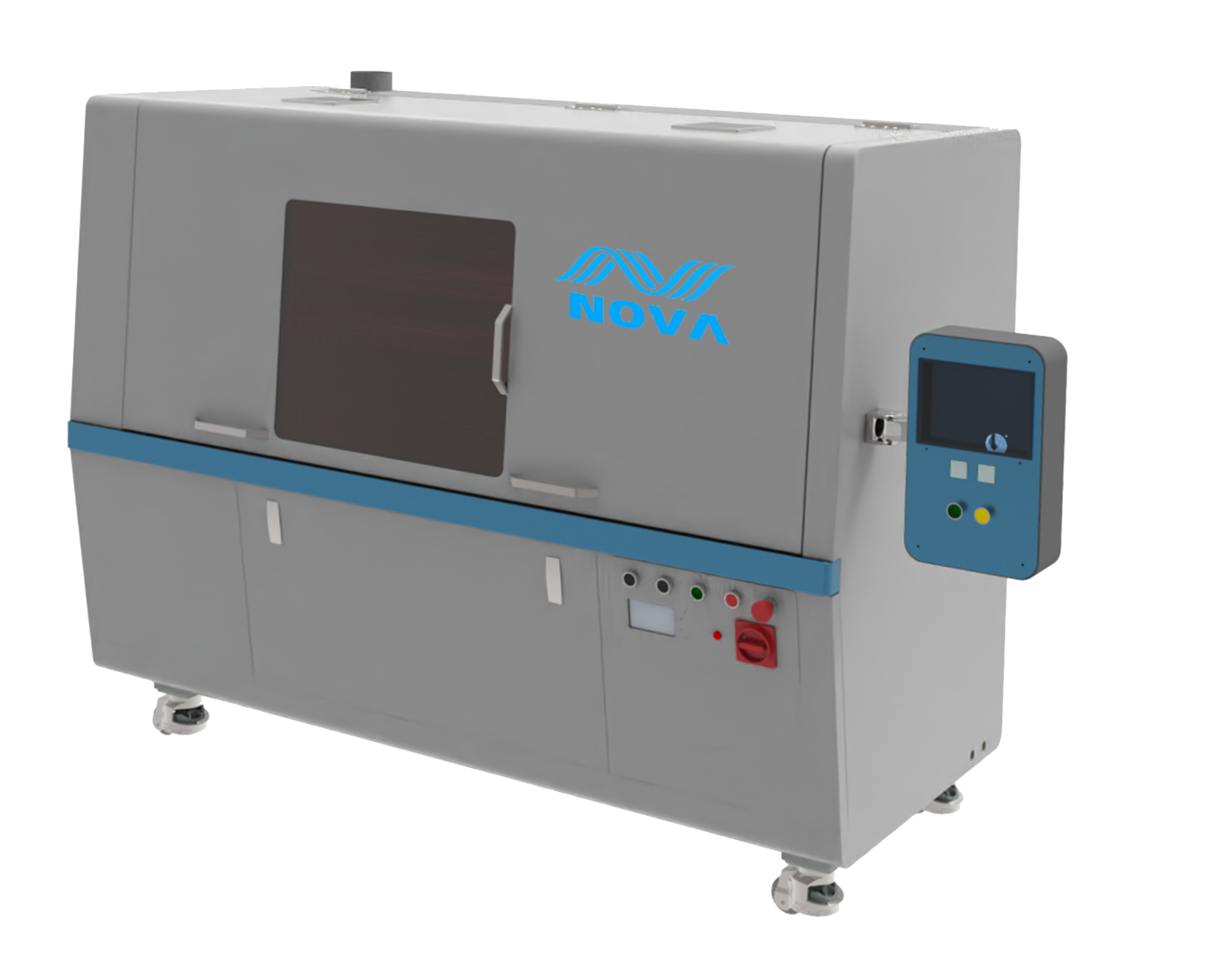
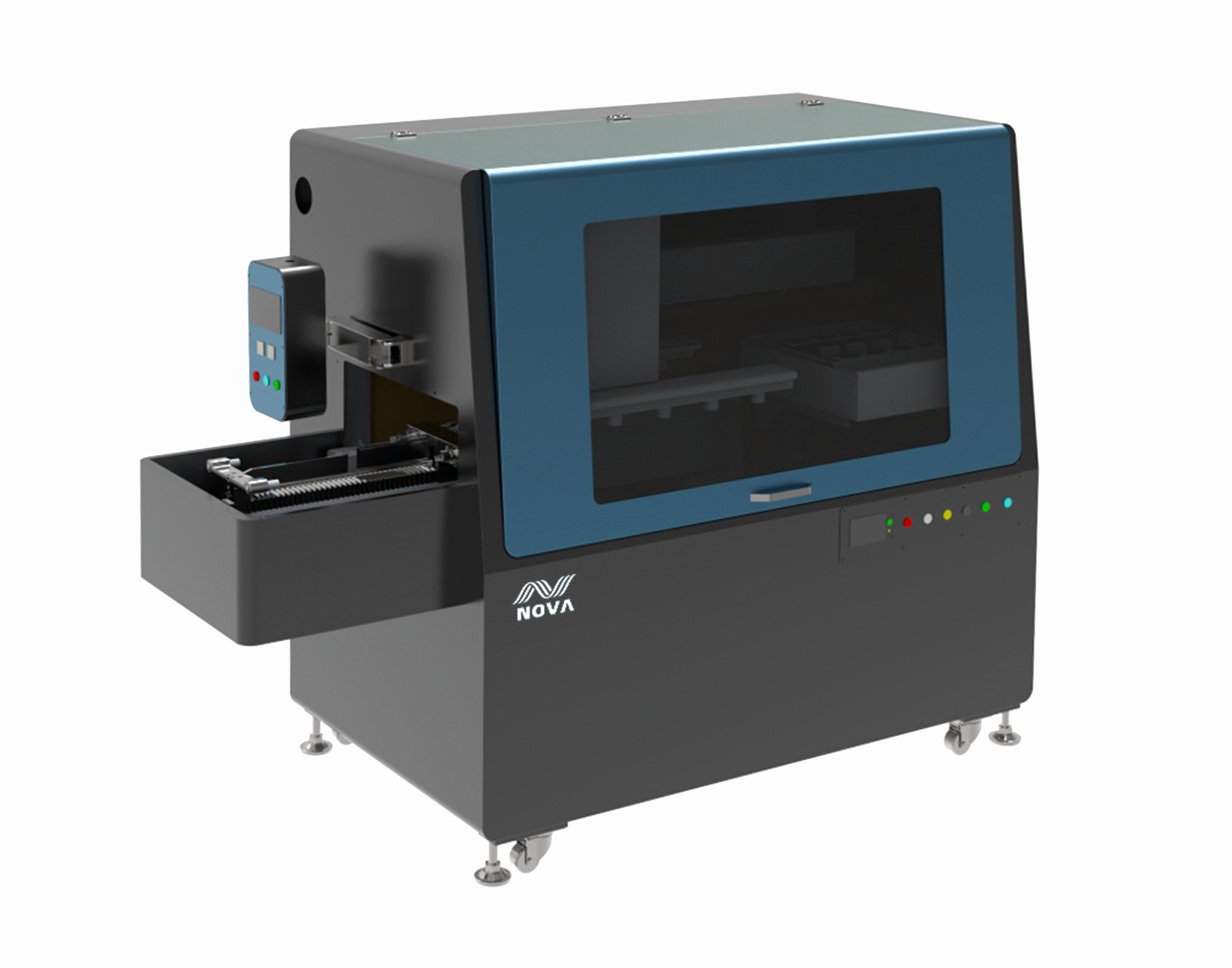
NOVA's cylindrical UV printer delivers industrial-grade performance through advanced UV inkjet technology and precision rotary motion. The printer handles cylinders from 10mm to 200mm diameter, printing on glass, metal, plastic, ceramic, and composites with 1200 dpi resolution. UV inks cure instantly under LED light, creating prints that resist scratching, chemicals, moisture, and UV fading. The global UV inkjet printer market was valued at $1.65 billion in 2025 and is projected to reach $2.46 billion by 2033 at 5.06% CAGR. NOVA's cylindrical UV printer captures this growth with energy-efficient UV-LED curing that consumes 60% less energy than mercury arc lamps. The printer's servo-driven rotary system ensures seamless 360-degree printing with ±0.1mm accuracy.
Get A Quote

Case Study

Cosmetic Contract Manufacturer Streamlines Multi-Material Production

A cosmetic contract manufacturer produced packaging for 120 clients across glass, plastic, and metal containers—each requiring different ink formulations and curing parameters. Managing multiple printing systems was costly and space-intensive. NOVA's cylindrical UV printer consolidated all three material types into one machine with adjustable UV curing intensity and ink density parameters. The printer accommodates container diameters from 20mm to 150mm with quick-change tooling reducing job switching from 35 minutes to under 5 minutes. UV-LED curing consumes 60% less energy than the manufacturer's previous systems. Within 14 months, the manufacturer reduced printing equipment from five machines to two, freed 40% of production floor space, and cut energy costs by 52%. The printer's ability to produce photo-quality graphics on all three material types with consistent quality expanded the manufacturer's service offerings, attracting 45 new clients and growing revenue by 85%.

Automotive Aftermarket Company Prints Custom Gauges and Dials

An automotive aftermarket company produced custom gauge faces and dials on cylindrical metal housings for classic car restorations. Each restoration required unique designs with small batch sizes—typically 10 to 50 units. Screen printing was cost-prohibitive for such small runs. NOVA's cylindrical UV printer enabled digital, on-demand production with no minimum quantities. UV-cured metal-bonding inks withstand 120°C temperatures, oil exposure, and UV exposure without degradation. The printer handles housing diameters from 40mm to 80mm with ±0.05mm accuracy. Over 18 months, the company fulfilled 2,300 restoration projects—a 175% increase—with average order value up 40% through premium customization options. The digital workflow enabled clients to approve designs electronically and receive finished products within five days, compared to 21 days with outsourced printing. The printer's UV-LED system operates at ambient temperatures, preventing heat damage to sensitive gauge mechanisms.

Sustainable Packaging Startup Prints Compostable Cylindrical Containers

A sustainable packaging startup developed compostable cylindrical containers made from plant-based materials and needed an eco-friendly printing solution. Traditional solvent-based inks would compromise the containers' compostability. NOVA's cylindrical UV printer used UV-cured, low-migration inks that are food-contact compliant and do not affect compostability. The printer handles container diameters from 50mm to 120mm with adjustable fixtures that gently secure the compostable material without damage. UV-LED curing requires no solvents and produces zero VOC emissions. Within 12 months, the startup scaled from prototype to commercial production, printing 850,000 containers for 35 food brands. The printer's energy-efficient operation aligned with the startup's sustainability goals, reducing carbon footprint by 70% compared to conventional printing methods. The digital workflow allowed rapid design iterations based on brand feedback, enabling the startup to offer faster turnaround than

Related products

NOVA Inkjet Technology Co., Ltd. designs and manufactures advanced cylindrical UV printers that combine precision printing with energy-efficient UV-LED curing for sustainable industrial production. Our printers feature RICOH Gen6 print heads with variable droplet technology, achieving 1200 dpi resolution on curved surfaces at production speeds up to 15 meters per minute. The servo-driven rotary system ensures precise 360-degree printing with ±0.1mm registration accuracy, enabling seamless patterns across the entire cylinder circumference. UV-LED curing modules instantly polymerize inks upon deposition, consuming 60% less energy than traditional mercury arc lamps while delivering consistent curing across varying cylinder diameters and materials. NOVA's printers support cylinders from 10mm to 200mm in diameter, accommodating glass, metal, plastic, ceramic, and composite materials with adjustable parameters for ink density and curing intensity optimizing adhesion for each substrate. The UV-cured prints resist scratching, chemicals, moisture, and UV fading, maintaining visual integrity through handling, shipping, and end-use. Our proprietary ink circulation system maintains consistent color density across extended production runs exceeding 10,000 cycles. The digital workflow enables quick design changes, variable data printing, and short-run production with no setup costs. With over 500 installations worldwide across cosmetics, automotive, packaging, and promotional industries, NOVA has established itself as a leading cylindrical UV printer manufacturer. Our printers comply with CE and RoHS standards, delivering sustainable printing that eliminates VOC emissions and reduces solvent waste by 90%. NOVA's global technical support provides installation, training, and remote diagnostics, ensuring 98% uptime.

Frequently Asked Questions

What makes UV printing different from conventional cylinder printing?

UV printing uses UV-LED curing to instantly dry inks, eliminating drying time and enabling immediate handling. Prints resist scratching, chemicals, and fading.
UV-LED consumes 60% less energy than traditional mercury arc lamps. The system requires zero warm-up time and operates at ambient temperatures.
Yes, NOVA offers low-migration UV inks that are food-contact compliant for packaging applications, with formulations suitable for direct and indirect food contact.
The printer prints on glass, metal, plastic, ceramic, and composites. Adjustable parameters optimize ink adhesion for each material.
Adjustable fixtures accommodate diameters from 10mm to 200mm. Quick-change tooling enables size transitions under 5 minutes.

Related article

How does UV inkjet printing on wood compare to traditional wood printing methods?

30

Jun

How does UV inkjet printing on wood compare to traditional wood printing methods?

Curing on Contact Versus Soaking Into the Grain The fundamental difference between UV inkjet and traditional wood printing comes down to how the ink behaves once it hits the surface. Screen printing and pad printing typically rely on solvent based ...
View More
Why is non-contact printing a major advantage of industrial inkjet?

30

Jun

Why is non-contact printing a major advantage of industrial inkjet?

The Physics of Printing Without a Squeegee Industrial inkjet belongs to a category that engineers call non-impact printing, but the practical meaning runs much deeper than the absence of a strike plate. In a contact based system like pad printing o...
View More
Why is cylinder inkjet printing faster than traditional screen printing for bottles?

30

Jun

Why is cylinder inkjet printing faster than traditional screen printing for bottles?

The Rotation Problem That Cylinder Inkjet Solved Bottles are round, and round objects hate staying still. Traditional screen printing on cylindrical containers relies on a curved screen that rocks across the bottle surface while a stationary squeeg...
View More
Why choose a customized printer over a standard off-the-shelf model?

30

Jun

Why choose a customized printer over a standard off-the-shelf model?

The Assumption Built Into Every Standard Printer An off-the-shelf industrial printer ships with a set of assumptions baked into its engineering. The designers picked a printhead type, a curing wavelength, a transport mechanism, and a control interf...
View More

Customer Testimonials

Amanda Foster

We consolidated five printing machines into two cylindrical UV printers. Energy costs dropped 52% with UV-LED curing. We serve 165 clients now versus 120 before. Quick changeover under 5 minutes expanded our service offerings. Revenue grew 85% in 14 months.

David Kim

Our sustainable packaging startup scaled to 850,000 containers annually with this UV printer. Zero VOC emissions align with our sustainability goals. UV inks are food-contact compliant. Carbon footprint reduced 70% versus conventional printing. Digital workflow enabled rapid design iterations.

Get a Free Quote

Our representative will contact you soon.
Email
Mobile/WhatsApp
Name
Company Name
Message
0/1000
Energy-Efficient UV-LED Curing for Sustainable Production

Energy-Efficient UV-LED Curing for Sustainable Production

NOVA's cylindrical UV printer features UV-LED curing technology that delivers instant ink polymerization while consuming 60% less energy than traditional mercury arc lamps. The UV-LED system requires zero warm-up time, enabling immediate production starts and reducing energy waste during idle periods. The lamps operate at ambient temperatures, preventing heat damage to heat-sensitive materials including thin plastics, coated metals, and temperature-sensitive products. Unlike mercury arc lamps that contain hazardous materials and require specialized disposal, UV-LED systems are environmentally friendly with longer operational life—typically 20,000+ hours versus 1,000-2,000 hours for mercury lamps. This reduces replacement frequency and maintenance costs. The UV-LED curing produces zero VOC emissions, eliminating the solvent release associated with conventional drying methods and improving workplace air quality.
Instant Curing Eliminates Drying Time and Production Bottlenecks

Instant Curing Eliminates Drying Time and Production Bottlenecks

NOVA's cylindrical UV printer cures inks instantly upon deposition, transforming liquid ink into solid, durable prints in milliseconds. This instant curing eliminates the drying racks, waiting periods, and handling delays that constrain conventional printing methods, enabling continuous production workflow without bottlenecks. Printed cylinders move immediately to downstream operations including filling, packaging, assembly, and shipping—reducing work-in-progress inventory by up to 70%. The instant curing also prevents ink migration and bleeding that can occur with slow-drying inks, maintaining sharp edges and fine detail even on challenging curved surfaces. Manufacturers report throughput increases of 200-300% after adopting UV-cured cylindrical printing, with defect rates dropping from 8% to under 0.5%.
Multi-Material Versatility with Optimized UV Ink Formulations

Multi-Material Versatility with Optimized UV Ink Formulations

NOVA's cylindrical UV printer delivers exceptional adhesion across diverse materials through proprietary UV ink formulations engineered for glass, metal, plastic, ceramic, and composite substrates. The printer's adjustable parameters—ink density, curing intensity, and print speed—enable operators to fine-tune settings for optimal results on each material type. This versatility eliminates the need for multiple specialized printers, reducing capital expenditure by up to 60%. For glass applications, NOVA's glass-specific inks create vivid, dishwasher-safe graphics that withstand repeated washing. For metals, the inks bond to anodized, coated, and bare surfaces, delivering chemical-resistant markings for industrial applications. For plastics, flexible ink formulations accommodate thermal expansion and contraction without cracking. The printer supports quick material changeovers through preset job profiles, reducing switching time from 25 minutes to under 5 minutes.