Industrial Inkjet Printers: High-Speed UV Solutions for Manufacturing

All Categories

Industrial Inkjet Solutions for Manufacturing Production

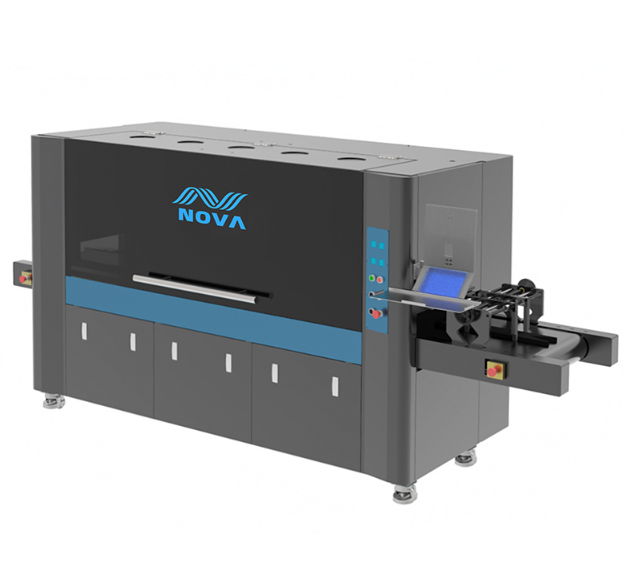
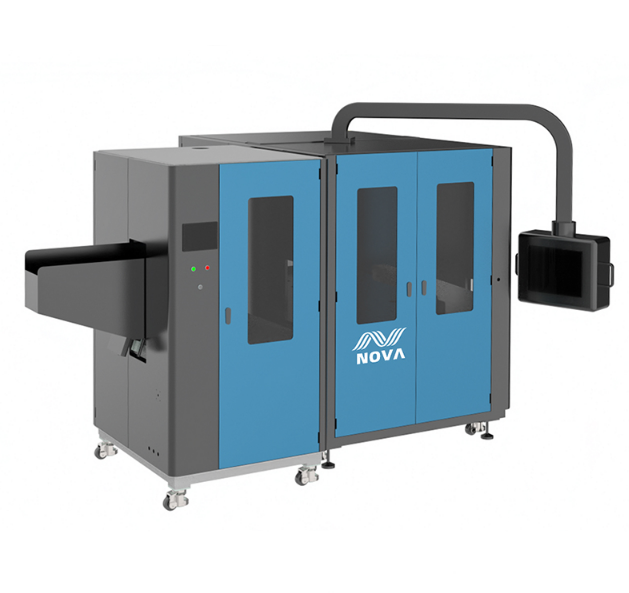
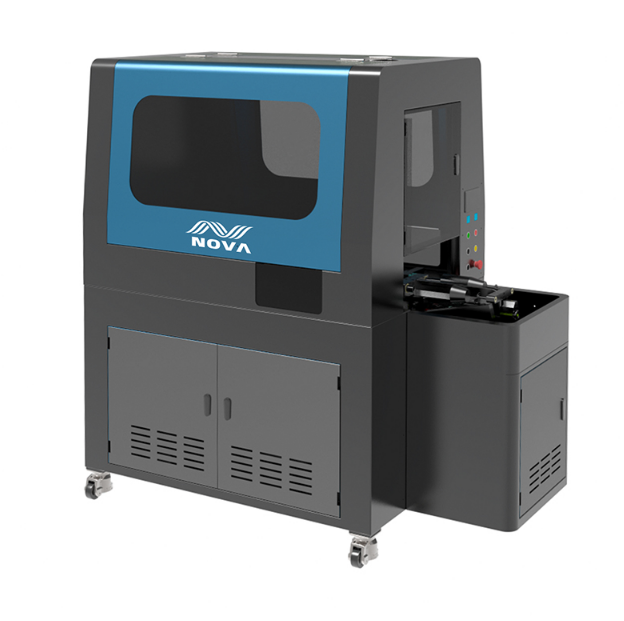
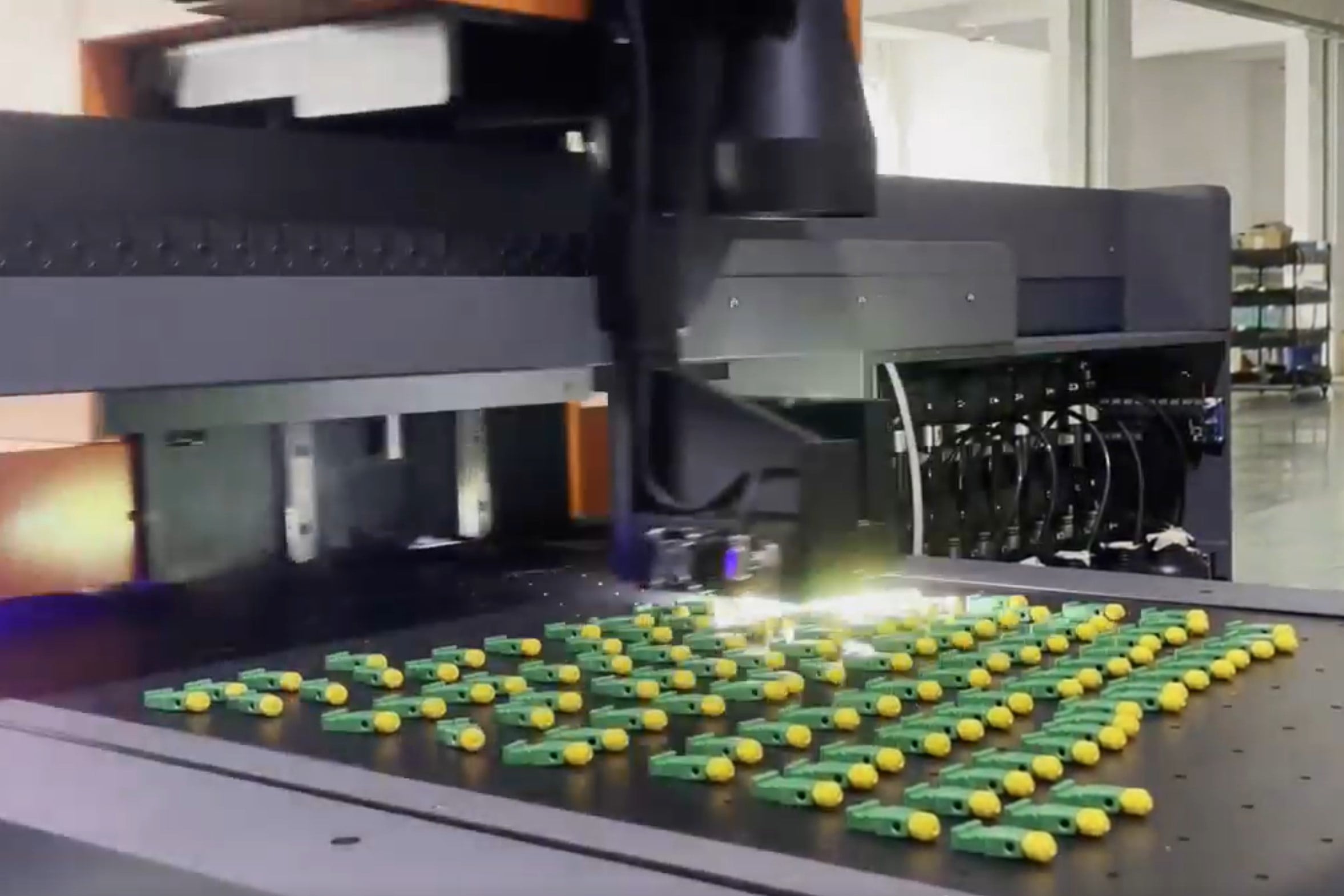
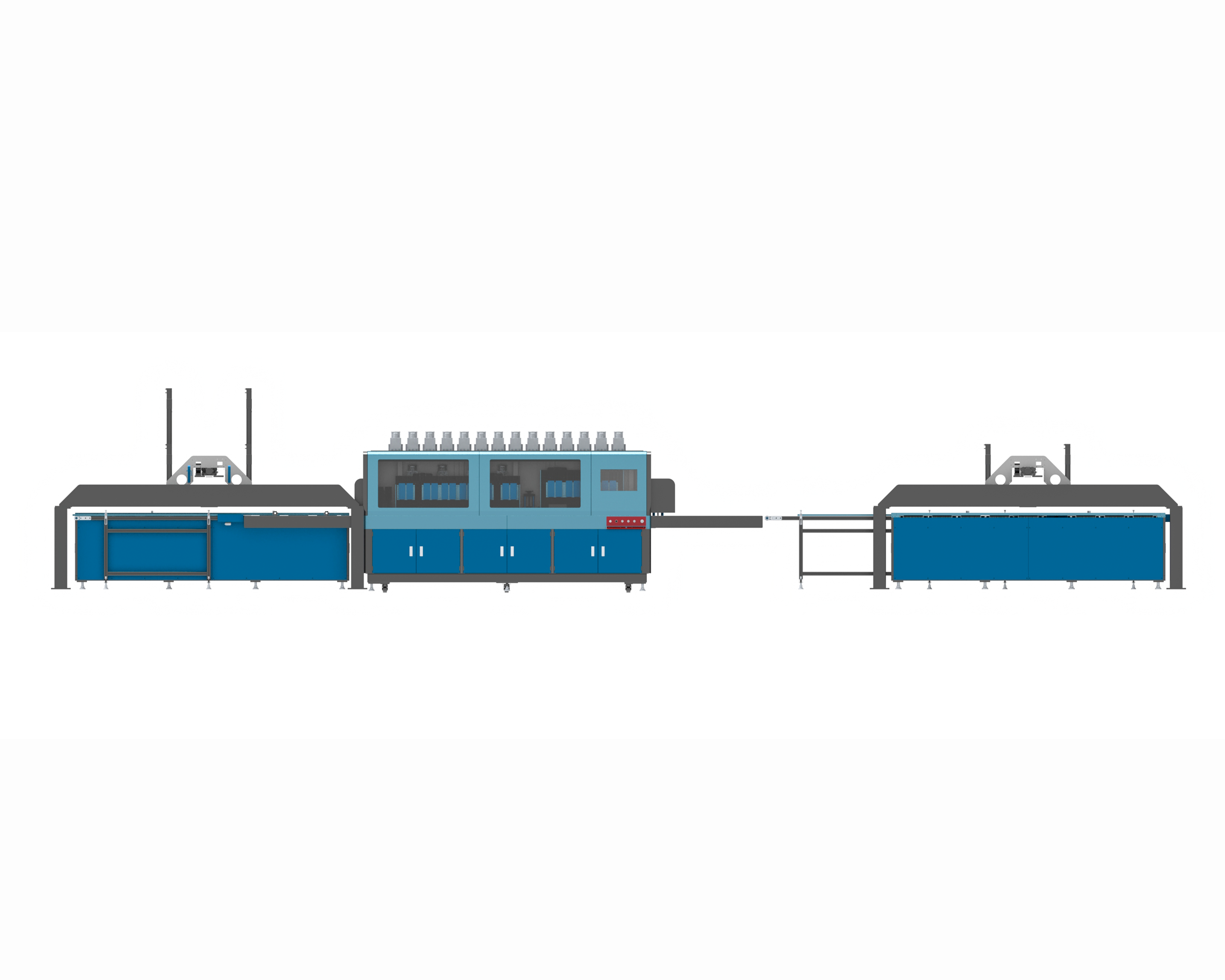
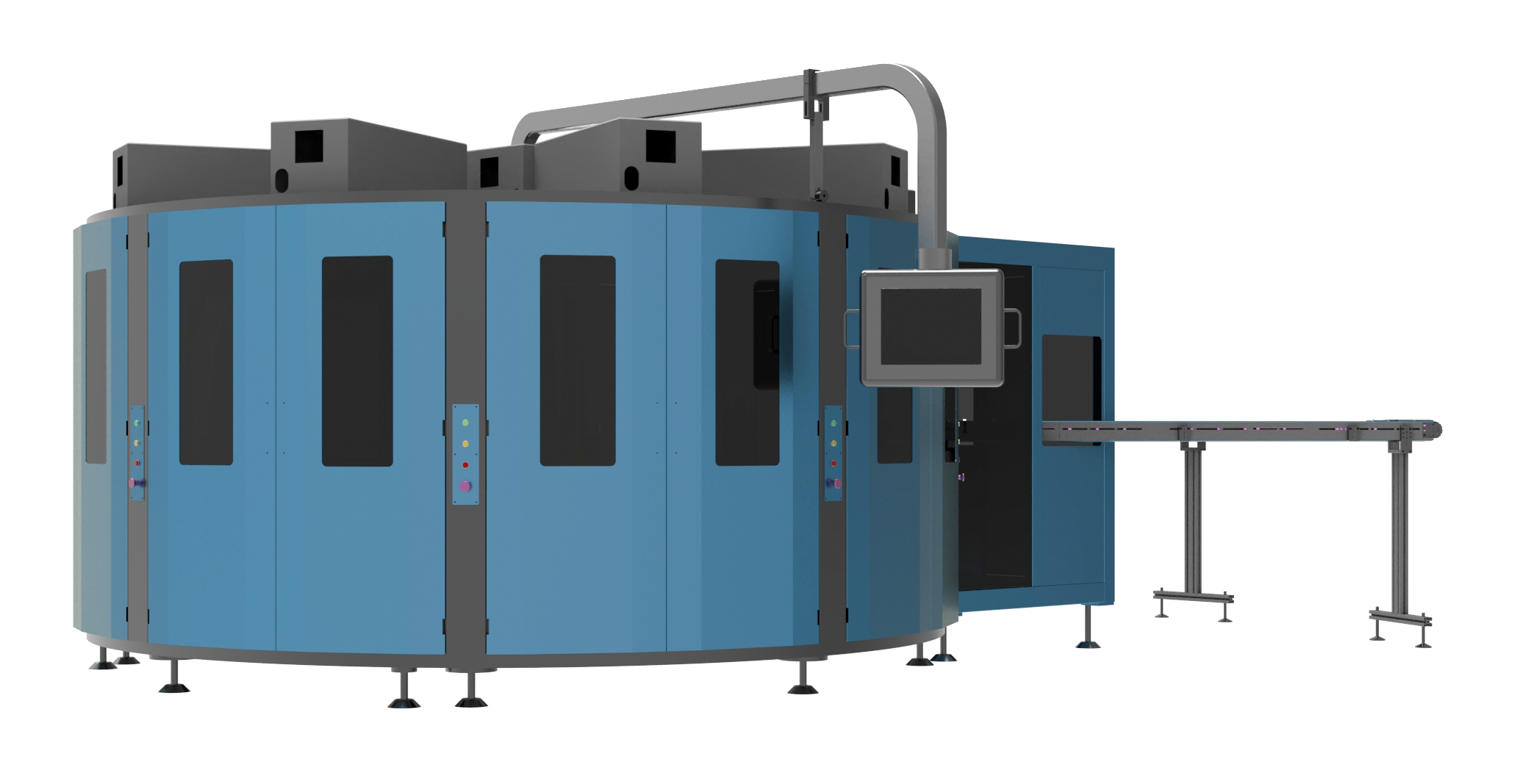
NOVA's industrial inkjet solutions deliver reliable printing for manufacturing production environments. Our technology features RICOH Gen6 print heads with 1200 dpi resolution, UV-LED curing for instant durable prints, and precision motion systems achieving ±0.1mm accuracy. The global industrial inkjet printer market was valued at $2.84 billion in 2024. NOVA's industrial inkjet solutions support glass, metal, plastic, wood, and ceramics with adjustable adhesion parameters. With production speeds up to 3,000 units per hour, industrial inkjet enables variable data, rapid design changes, and just-in-time production across packaging, automotive, signage, and industrial manufacturing.
Get A Quote
Case Study

Beverage Production Scales with Industrial Inkjet

A beverage production facility scaled to 72,000 cans daily using NOVA's industrial inkjet solution. The solution delivers 3,000 cans per hour with 360-degree seamless printing and visual positioning. UV-cured inks withstand condensation. Within 14 months, production capacity increased 220%, misprints reduced from 6% to under 0.3%, and pre-printed can inventory eliminated saving 45%. Industrial inkjet enabled just-in-time production with regional market differentiation. The facility now operates four NOVA solutions.

Packaging Supplier Implements Industrial Inkjet for Growth

A packaging supplier serving 350 clients implemented NOVA's industrial inkjet solution for high-volume container production. The solution handles container diameters from 20mm to 150mm at 2,400 units per hour. UV-cured inks resist alcohol and chemical exposure. Within 14 months, the supplier added 120 new clients, increased production capacity by 40%, and grew revenue by 65%. Industrial inkjet enabled rapid design changes with no setup costs. Quick-change tooling reduced job switching to under 6 minutes.

Automotive Manufacturer Uses Industrial Inkjet for Traceability

An automotive manufacturer uses NOVA's industrial inkjet solution for component traceability across 15 production lines. The solution with visual positioning achieving ±0.05mm accuracy marks 3,600 components per hour. Over three years, the manufacturer printed 22 million components with 99.98% readability. Industrial inkjet integrated with ERP systems for automated data flow. Traceability costs reduced 55%. The manufacturer achieved full supply chain compliance.

Related products

NOVA Inkjet Technology Co., Ltd. provides industrial inkjet solutions for manufacturing production environments. Our technology features RICOH Gen6 print heads with variable droplet technology, achieving 1200 dpi resolution at production speeds up to 3,000 units per hour. UV-LED curing modules instantly polymerize inks, consuming 60% less energy than mercury arc lamps while delivering durable, scratch-resistant, chemical-proof prints. NOVA's industrial inkjet solutions support glass, metal, plastic, wood, ceramic, and composite materials with adjustable parameters for optimized ink adhesion. Solutions include integrated ink circulation, automated print head cleaning, vision-guided positioning (±0.1mm accuracy), and quick-change tooling for rapid job switching. The global industrial inkjet printer market was valued at $2.84 billion in 2024. As a comprehensive solution provider, NOVA offers site assessment, installation, operator training, remote diagnostics, and spare parts support. Our solutions comply with CE and RoHS standards, eliminating VOC emissions. With 500+ installations worldwide across beverage, packaging, automotive, signage, and industrial manufacturing, NOVA's industrial inkjet solutions deliver reliable, high-performance production with ROI typically achieved within 8-14 months.

Frequently Asked Questions

What is industrial inkjet technology?

Industrial inkjet technology uses drop-on-demand print heads for high-speed, high-resolution printing on various substrates.
Beverage, packaging, automotive, signage, electronics, and industrial manufacturing use industrial inkjet.
Benefits include variable data printing, no setup costs, rapid design changes, and just-in-time production.
UV-cured prints resist scratching, chemicals, moisture, and temperatures up to 200°C.
Speeds range up to 3,000 units per hour on cylindrical substrates and 15 square meters per hour on flatbed.

Related article

How does UV inkjet printing on wood compare to traditional wood printing methods?

30

Jun

How does UV inkjet printing on wood compare to traditional wood printing methods?

Curing on Contact Versus Soaking Into the Grain The fundamental difference between UV inkjet and traditional wood printing comes down to how the ink behaves once it hits the surface. Screen printing and pad printing typically rely on solvent based ...
View More
Why is non-contact printing a major advantage of industrial inkjet?

30

Jun

Why is non-contact printing a major advantage of industrial inkjet?

The Physics of Printing Without a Squeegee Industrial inkjet belongs to a category that engineers call non-impact printing, but the practical meaning runs much deeper than the absence of a strike plate. In a contact based system like pad printing o...
View More
Why is cylinder inkjet printing faster than traditional screen printing for bottles?

30

Jun

Why is cylinder inkjet printing faster than traditional screen printing for bottles?

The Rotation Problem That Cylinder Inkjet Solved Bottles are round, and round objects hate staying still. Traditional screen printing on cylindrical containers relies on a curved screen that rocks across the bottle surface while a stationary squeeg...
View More
Why should your business invest in a bottle inkjet printer for labeling?

30

Jun

Why should your business invest in a bottle inkjet printer for labeling?

The Hidden Cost of Label Inventory Every pre-printed label sitting on a warehouse shelf represents cash that cannot be used for anything else. A beverage brand with 15 SKUs, each requiring labels in three sizes and two languages, can easily carry o...
View More

Customer Testimonials

Lisa Wong

Industrial inkjet enabled 220% production capacity increase at our beverage facility. 72,000 cans daily. Misprints from 6% to under 0.3%. Eliminated pre-printed inventory saving 45%. Just-in-time production with regional differentiation. Now operating four solutions.

Hans Schmidt

We implemented industrial inkjet across 15 automotive lines. 22 million components with 99.98% readability. ERP integration automated traceability. Traceability costs reduced 55%. Achieved full supply chain compliance. Essential for our manufacturing.

Get a Free Quote

Our representative will contact you soon.
Email
Mobile/WhatsApp
Name
Company Name
Message
0/1000
Variable Data and Traceability Capabilities

Variable Data and Traceability Capabilities

NOVA's industrial inkjet solutions enable variable data printing including serial numbers, batch codes, QR codes, and 2D barcodes. This capability is essential for supply chain traceability, regulatory compliance, and product authentication. Solutions integrate with ERP systems for automated data flow, eliminating manual data entry errors. Variable data prints simultaneously with graphics in a single pass, eliminating secondary labeling operations.
High-Speed Production with Quality Assurance

High-Speed Production with Quality Assurance

NOVA's industrial inkjet solutions combine high-speed production up to 3,000 units per hour with integrated quality assurance. Automated inspection cameras verify print quality, barcode readability, and registration in real-time. Defective prints are automatically rejected. This integrated quality control ensures consistent output quality while maintaining production speed. Inspection data is logged for quality documentation and process improvement.
Multi-Material Printing Capability

Multi-Material Printing Capability

NOVA's industrial inkjet solutions deliver exceptional adhesion across diverse substrates through proprietary UV ink formulations. The technology handles glass, metal, plastic, wood, ceramic, acrylic, and composites with adjustable parameters. This multi-material capability eliminates the need for multiple specialized printers, reducing capital expenditure and floor space requirements. Quick material changeovers through preset job profiles reduce switching time.