 EN
EN
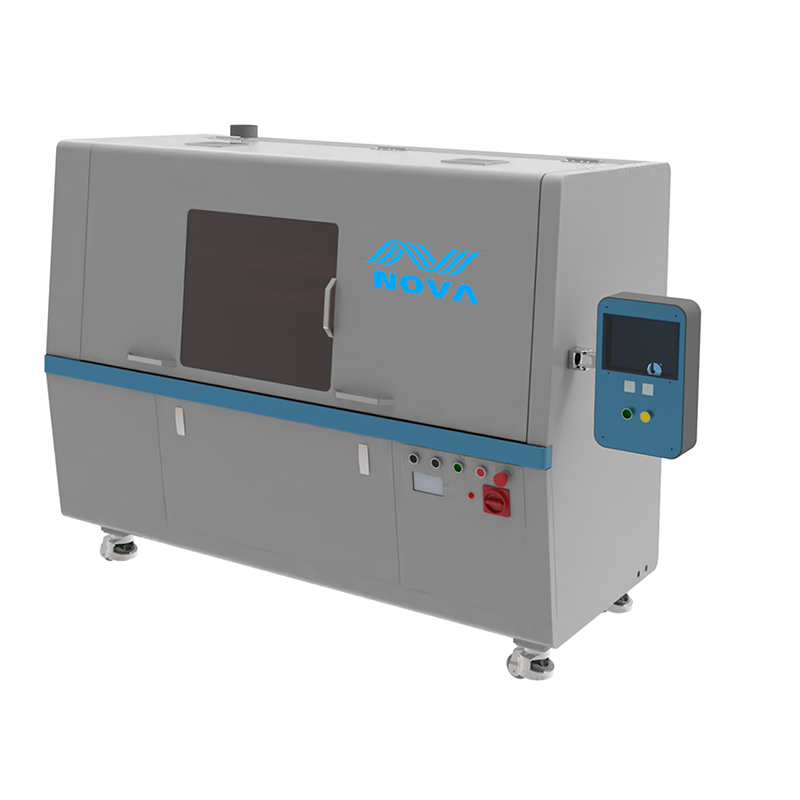
What Is a Single Pass UV Inkjet Printer?
Core Architecture: Fixed Linear Printhead Arrays vs. Traditional Scanning Systems
Single pass UV inkjet printers work differently from standard models by using fixed print heads across the entire width of the material instead of moving ones. Traditional systems need to scan back and forth repeatedly, but these new machines let materials move continuously under stationary print heads. Speeds can go over 100 meters per minute which makes them great for big operations like corrugated box printing or industrial label production where volume matters most. Since there's no need for mechanical scanning anymore, there's less chance of alignment issues caused by vibrations. These printers maintain around 0.1mm accuracy in positioning automatically, so operators don't have to constantly adjust things manually during operation.
UV Curing Mechanism: Instant Photopolymerization for On-Press Finish and Multi-Substrate Versatility
Right after the ink hits the surface, built-in UV LED lights kickstart the curing process. The ink droplets harden almost instantly through molecular cross linking, all within milliseconds. What this means is we get prints that resist scratches and are ready for finishing right away, no need for those time consuming drying ovens or separate curing stations. A big plus too is how these UV inks stick directly to all sorts of materials. They work on everything from rough corrugated cardboard to smooth plastic and metal surfaces. Unlike water based inks that often require special coatings first, UV curables just go right on. And because they handle tough materials like acrylic and PVC so well, manufacturers can expand what kinds of products they make while keeping their production lines running smoother overall.
Why Single Pass UV Inkjet Printers Excel at High-Volume Short-Run Production
Throughput Advantage: Zero Bidirectional Motion Enables 100+ m/min Continuous Web Printing
When printheads are mounted in full width linear arrays and the material moves constantly underneath, single pass UV inkjet printers can reach impressive speeds around 100 meters per minute or even hit 1800 square meters per hour. These machines get rid of those annoying delays that happen when printers scan back and forth, which means they produce ten times more stuff than regular systems. The continuous movement of the web also stops those pesky alignment problems that plague stop start printing processes where everything gets misaligned after each pause. According to what manufacturers report from their factories, companies using these systems typically see anywhere between 30 to 50 percent boost in yearly production without needing any extra equipment investment.
Make-Ready Elimination: No Registration Adjustments or Ink Warm-Up Delays Between Jobs
With instant UV curing technology, there's no waiting around for colors to dry between layers or when switching jobs. Plus, the fixed printhead setup keeps everything aligned within about 0.1mm throughout production runs, so nobody has to spend time recalibrating machines mid-process. The end effect? Job changeovers happen almost instantly. According to a recent efficiency study published in 2023, print shops using this tech saw their turnaround times jump by nearly 78%, wasted 34% less material compared to traditional methods, and kept their machines running roughly 28% more hours each month without downtime. These improvements aren't just theoretical either they're making real differences on factory floors across the country.
Operational Efficiency Gains Across the Print Workflow
AI-Optimized RIP and Nesting: Cutting Prepress Time by Up to 78% for Mixed Short-Runs
Raster image processing powered by artificial intelligence is changing how prepress works in those tricky short run situations. The smart algorithms look at what kind of material we're printing on, how complicated the design is, and all those color settings to figure out just the right amount of ink needed. They can also organize different print jobs together and cut down on how often we need to clean the printheads. According to some recent numbers from Print Production Analytics last year, this approach saves about three quarters of the usual prepress time and knocks around twenty two percent off material waste. When dealing with runs between fifty and five hundred pieces, these systems keep colors looking consistent across different materials too, which means no more spending precious hours doing all that manual setup work that used to be so frustrating for everyone involved.
ERP/MES Integration: Real-Time Job Prioritization and Dynamic Scheduling for High-Mix Environments
Connecting enterprise resource planning (ERP) systems with manufacturing execution systems (MES) transforms production floors into smart environments where decisions are driven by actual data instead of guesswork. These integrated platforms constantly adjust priorities according to what's happening right now across multiple factors like customer delivery dates, how much raw material we have in storage, planned maintenance windows, and who's actually available to operate machines at any given moment. Rush orders? No problem. The scheduling software just rearranges everything behind the scenes, which cuts down wasted time waiting for things to happen by about 37 percent according to last year's Digital Print Efficiency Report. Resources get assigned automatically too, sending intricate designs straight to those high resolution printers that handle them best. And when supplies start running low, the system knows to place new orders before anyone even notices there might be a shortage. Going fully digital from start to finish means switching between different production jobs takes less than a minute and a half most of the time. Equipment runs at higher capacity rates too, climbing around 30 percentage points better in facilities dealing with lots of product variety day after day.
Frequently Asked Questions (FAQ)
What is the main advantage of using single pass UV inkjet printers?
The main advantage is the increased production speed and efficiency. These printers can operate at speeds over 100 meters per minute, making them ideal for high-volume short-run productions without alignment issues or delays.
How does the UV curing mechanism improve print quality?
UV curing allows for instant hardening of ink on various substrates, resulting in scratches resistant prints that are ready for finishing immediately. This mechanism supports multi-substrate versatility, allowing prints on materials like plastic and metal without special coatings.
How does AI-Optimized RIP and Nesting benefit prepress operations?
AI-Optimized RIP and Nesting reduce prepress time by up to 78%, managing ink usage efficiently, and organizing print jobs to minimize printhead cleaning, thereby decreasing material waste and improving consistency.
What role does ERP/MES integration play in enhancing production workflow?
ERP/MES integration provides real-time job prioritization and dynamic scheduling, reducing wasted time by accommodating changes such as rush orders quickly and efficiently, enhancing resource allocation and operation capacity.