 EN
EN
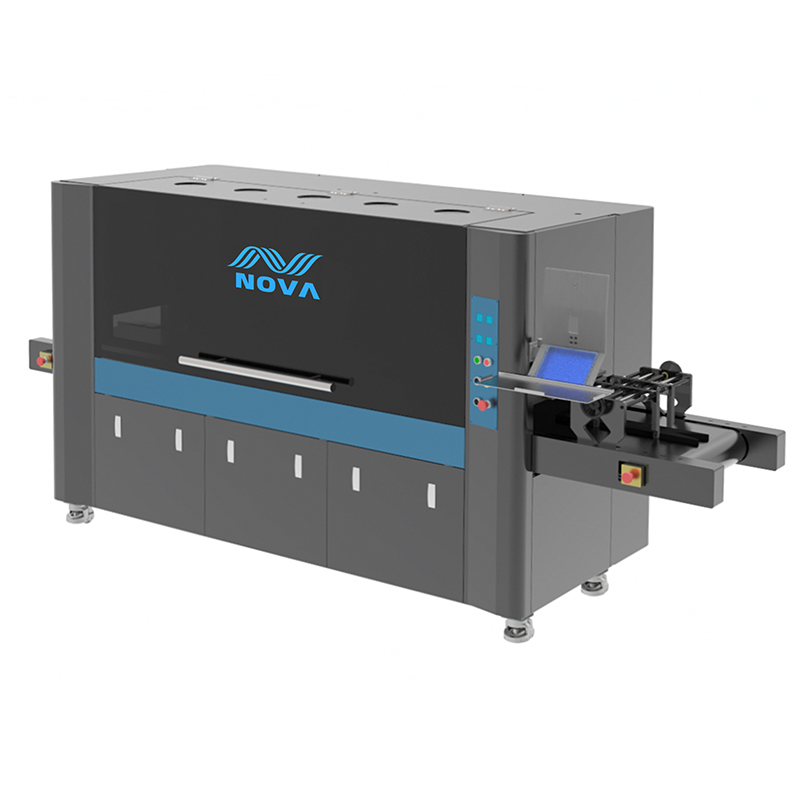
How Cups Inkjet Printers Achieve Photorealistic HD Pattern Printing
Direct-to-object UV inkjet technology optimized for cylindrical drinkware
Advanced UV inkjet systems print directly onto curved surfaces like mugs and tumblers using precision-engineered print heads and synchronized rotational mechanics. By eliminating transfer paper, they enable micron-level ink placement on complex geometries—maintaining consistent nozzle-to-substrate distance throughout rotation to prevent distortion, even at production speeds.
UV-curable inks: Enabling color accuracy, skin tone fidelity, and dishwasher-safe durability
When exposed to LED lights, UV curable inks harden almost immediately, creating strong cross linked films that lock in the pigment. The result? Colors that hit about 98% of Pantone standards which matters a lot when reproducing realistic skin tones or subtle gradients. These inks form really tough chemical bonds too, able to survive over 200 dishwasher runs without fading. What makes them different from traditional solvent based alternatives is their ability to stay on top of ceramic surfaces and metal coatings rather than getting absorbed. This means edges stay crisp and colors remain vibrant without bleeding out or losing their intensity through absorption issues.
2880 dpi resolution with light cyan/magenta channels for smooth gradients and fine detail
Premium cups inkjet printers use eight-color ink configurations—including light cyan and light magenta—to expand the printable gamut by 35% over standard CMYK. Combined with native 2880 dpi resolution, this eliminates visible dot patterns and banding, accurately rendering subtle shadows, hair strands, and micro-textures critical for high-definition imagery.
True 360° Seam-Free Cup Decoration: Precision Engineering Behind Invisible Joints
Helical motion control and real-time registration systems (e.g., Helix One architecture)
Seamless printing really requires careful coordination between helical movements. The printer head must move along an axis while also rotating at just the right speed so ink drops follow the same path even when moving from flat surfaces to curved ones. Systems such as the Helix One use real time optical registration technology to track where cups are positioned during printing speeds over 300 mm per second. These advanced systems can make tiny adjustments faster than a millisecond to keep everything aligned properly. High resolution encoders work together with feedback loops that adjust for slight differences in size among factory made cups. This results in patterns that line up perfectly within plus or minus 0.1 mm accuracy. To most people looking at finished products, there's no visible break in the design whatsoever across different parts of the cup surface.
Why most '360°' cups inkjet printers still show seam lines—and what sets premium systems apart
Budget printers often market their work as "360 degree" printing even though there are noticeable seams because of three main problems. First, they suffer from mechanical drift due to cheap stepper motors that don't have tight tolerances. Second, the printhead fires at fixed intervals regardless of where it actually is. Third, there's no system for correcting position dynamically during operation. High end machines fix all this with closed loop encoders that adjust ink droplets in real time according to how the print head is actually rotating, not just what was expected. They also use multiple passes with edges overlapping about half a millimeter to one millimeter, constantly recalculating where each drop should go. What comes out looks completely smooth and professional quality with absolutely no signs of stitching or breaks between sections, even when viewed under bright lights.
Scalable Personalization: From One-Off Mugs to Automated Print-on-Demand Workflows
Integrating cups inkjet printers with e-commerce, ERP, and POD platforms
The ability to scale personalized products really depends on connecting cups inkjet printers with various systems through APIs. These connections link up e-commerce stores, enterprise resource planning (ERP) software, and specialized print on demand (POD) platforms. Let's say someone buys a customized mug online. The system kicks into action right away. Design files go straight to the printer queue while the ERP software keeps track of stock levels and plans when things need to ship out. Meanwhile, the POD dashboard handles all those tricky details like different product variations, making sure everything looks good before printing, and figuring out the most efficient way to handle multiple orders at once. What this setup does is eliminate all that tedious manual work with files and setting up jobs. Businesses can now easily switch between making one special request mug and running smaller batches of different designs without slowing down delivery times or compromising on how consistent the final products look across the board.
FAQ Section
What technology is used for printing on cylindrical surfaces?
Advanced UV inkjet systems utilize precision-engineered print heads and synchronized rotational mechanics to print directly onto curved surfaces like mugs and tumblers.
Why are UV-curable inks superior for colors and durability?
UV-curable inks create strong cross-linked films when exposed to LED lights, achieving around 98% of Pantone standards and surviving over 200 dishwasher cycles without fading.
How do premium inkjet printers eliminate seam lines?
Premium inkjet printers use closed-loop encoders and real-time registration systems allowing for precise ink drop placement, eliminating visible seam lines.
How do cups inkjet printers integrate with e-commerce and ERP platforms?
Through APIs, cups inkjet printers connect with these platforms, enabling automated workflows and efficient handling of personalized product orders.