
 EN
EN
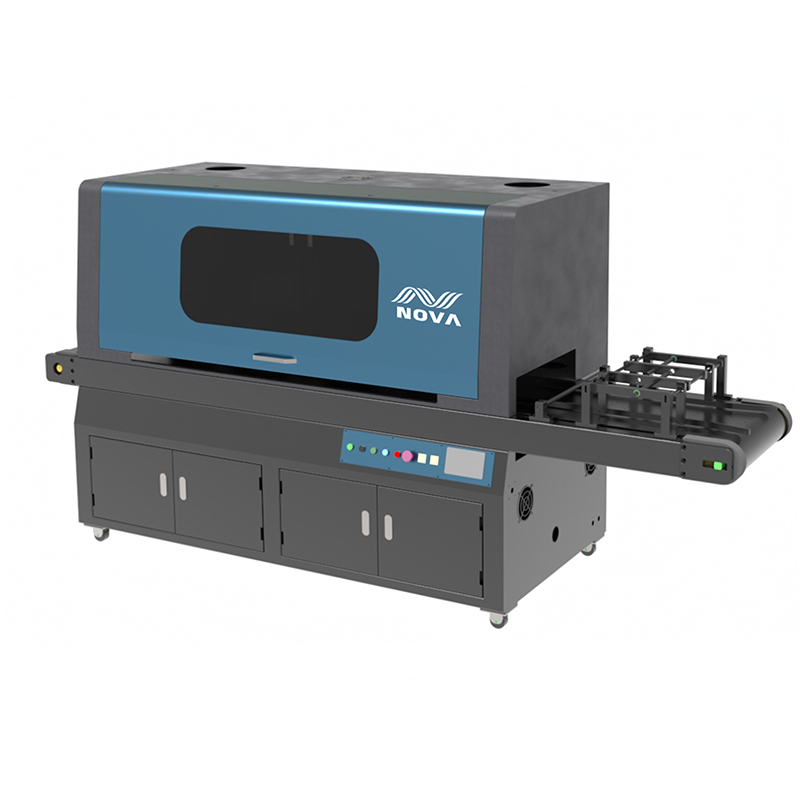
The Packaging Reality That Changes Everything
Cosmetic and beverage packaging has a problem that most people outside the industry never think about. The packaging itself is often more expensive than the product inside it. A premium glass serum bottle can cost more to produce than the serum it holds. A custom-shaped beverage bottle represents a significant investment in mold tooling before a single drop of liquid is filled.
This creates a strange dynamic: brands are reluctant to change packaging designs because the physical tooling costs are so high, yet they need fresh visuals to stay competitive on shelves. A bottle inkjet printer changes this equation by moving decoration from the physical realm to the digital one. Instead of committing to a design through expensive screens, plates, or molds, the artwork lives in a file that can be updated at no marginal cost.
Consider a skincare brand that launched with three SKUs and grew to twenty over two years. With screen printing, each new SKU would have required new screens, new setup, and new minimum order commitments. With a bottle inkjet printer, the brand simply added new design files to the print queue. The packaging remained the same; the decoration adapted instantly.
Why Cosmetic Packaging Demands a Different Approach
Cosmetic containers are among the most challenging substrates in the printing industry. They come in glass, frosted glass, various plastics, and metal—often with irregular shapes that include tapers, curves, and non-cylindrical cross-sections. A bottle inkjet printer handles these variations through adjustable fixtures and print head positioning that adapt to the container’s geometry.
The visual requirements are equally demanding. Cosmetic packaging needs to convey luxury, precision, and brand identity through fine details, gradients, and sometimes metallic effects. Bottle inkjet printers using UV-curable inks can achieve high-resolution output that rivals offset printing, with droplet sizes small enough to render intricate patterns without visible pixelation.
Durability is non-negotiable. Cosmetic bottles are handled repeatedly by consumers, exposed to oils and lotions, and stored in bathrooms with high humidity. The ink must withstand all of this without fading, scratching, or delaminating. UV-cured inks form a cross-linked polymer network that bonds strongly to glass and plastic surfaces, providing resistance that solvent-based inks cannot match.
Beverage Bottle Printing: Speed Meets Regulatory Compliance
Beverage production lines run fast, and they run continuously. A bottle inkjet printer designed for this environment must keep pace without becoming a bottleneck. The printing happens inline—bottles move through the printer as part of the filling and capping process, not as a separate step.
The regulatory aspect adds another layer. Beverage bottles require clear, legible printing of nutritional information, ingredient lists, batch codes, and expiration dates. These are not optional decorations—they are legal requirements. A bottle inkjet printer produces variable data on the fly, so each bottle can carry its own batch-specific information without slowing down production.
Food-grade ink compliance is a threshold issue. Inks used on beverage containers must meet strict safety standards because they come into contact with packaging that touches consumable products. Bottle inkjet printers designed for beverage applications use inks that are formulated to these standards, eliminating the need for additional compliance verification at the brand level.
The Financial Case That Makes the Decision Clear
The upfront cost of a bottle inkjet printer is higher than traditional screen or pad printing equipment. But the total cost of ownership tells a different story when all factors are considered.
Traditional decoration methods have hidden costs that rarely appear in the initial quote:
Screen or plate storage and maintenance
Setup labor that adds no value to the finished product
Waste from mis-registration during setup
Obsolescence costs when designs change and old screens become worthless
A bottle inkjet printer eliminates these. The digital workflow means no physical tooling to store, maintain, or replace. Setup is a file selection, not a mechanical adjustment. Waste is limited to the first few pieces after a design change, not hundreds.
| Cost Factor | Traditional Decoration | Bottle Inkjet Printer |
|---|---|---|
| Per-design tooling cost | Significant (screens/plates) | Zero (digital file) |
| Changeover labor | Skilled technician required | Operator loads file |
| Design update cost | Full retooling | No additional cost |
| Inventory risk | Obsolete tooling writes off | No tooling to obsolete |
| Variable data capability | Limited or impossible | Native capability |
Where the Technology Shines and Where It Doesn’t
A bottle inkjet printer is not the answer for every packaging scenario. For extremely long production runs of a single design—think millions of identical bottles over multiple years—the amortized cost of screen printing can be lower. The economics shift in favor of inkjet when run lengths are shorter, designs change frequently, or variable data is required.
The technology also has limitations with certain container geometries. Deeply recessed areas, very narrow necks, or extremely small diameters can challenge the print head’s ability to maintain consistent throw distance. Most systems handle standard bottle shapes well, but highly irregular containers may require custom fixturing.
Ink adhesion on untreated plastics remains a consideration. While UV-curable inks bond well to many substrates, some plastics benefit from pretreatment such as plasma or corona treatment. This adds a step and a cost, though it is often a one-time capital investment rather than a per-run expense.
A Case from a Production Floor
A contract packager in the Midwest took on a project for a regional beverage brand that launched limited-edition flavors every quarter. The packager had been using pre-printed labels, which required ordering label stock weeks in advance. When a flavor underperformed and was pulled early, the leftover labels became waste. When a flavor exceeded forecasts, the packager scrambled to order more labels and held up production.
Switching to a bottle inkjet printer changed the dynamic entirely. The packager now prints directly onto blank bottles as they come off the filling line. Limited-edition artwork is stored digitally and printed only for the quantity needed. When a flavor sells out, no label inventory remains. When a flavor takes off, production simply continues without waiting for label deliveries. The packager estimates that the reduction in label waste and inventory carrying costs alone justifies the equipment investment.
The Broader Implication for Brand Agility
The ability to change packaging decoration without physical tooling has implications beyond cost savings. Brands can test new designs in the market with minimal risk. They can respond to competitor moves without waiting weeks for new screens. They can run regional variations, seasonal promotions, or event-specific packaging without committing to large minimum orders.
This agility is becoming a competitive necessity rather than a nice-to-have. Consumers expect variety and novelty, and brands that cannot deliver quickly lose shelf space to those that can. A bottle inkjet printer is not just a printing device—it is an enabler of brand responsiveness.
NOVA Inkjet Technology has developed bottle inkjet printer configurations that address the specific demands of both cosmetic and beverage packaging, with print head options, ink formulations, and material handling systems tailored to different production environments. The company’s approach recognizes that packaging printing is not a one-size-fits-all problem, and its engineering reflects that understanding.
Table of Contents
- The Packaging Reality That Changes Everything
- Why Cosmetic Packaging Demands a Different Approach
- Beverage Bottle Printing: Speed Meets Regulatory Compliance
- The Financial Case That Makes the Decision Clear
- Where the Technology Shines and Where It Doesn’t
- A Case from a Production Floor
- The Broader Implication for Brand Agility