 EN
EN
How Single Pass UV Inkjet Printers Achieve Unmatched Throughput
Zero-carriage motion design enables continuous 0–40 m/min multi-color printing
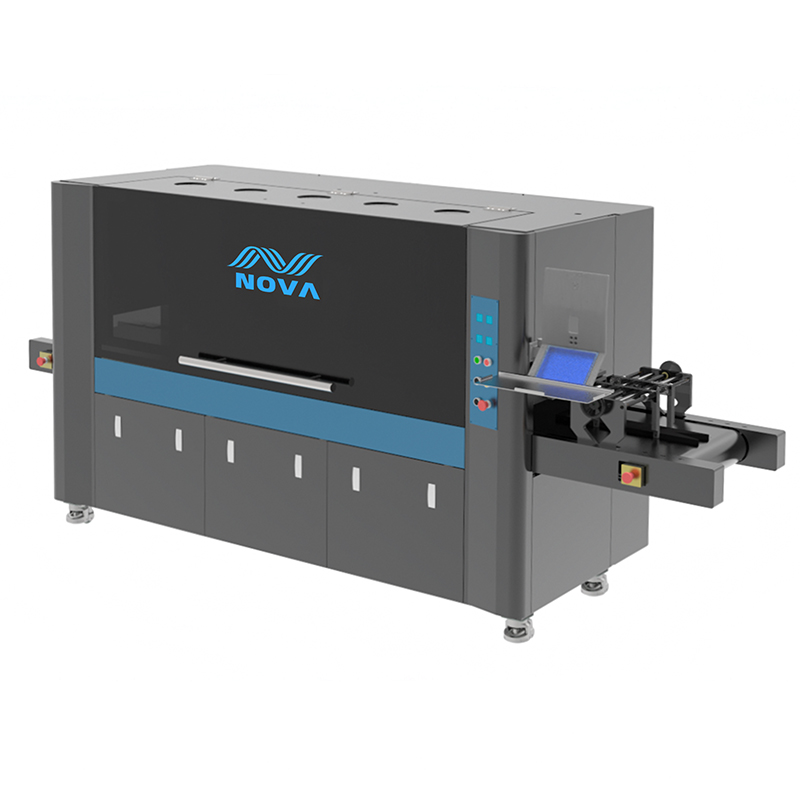
Traditional printers need those back-and-forth moving print heads, while single pass UV inkjet printers have these big, stationary printheads that span the whole width. The way these printers are built lets materials keep moving without stopping, even at pretty impressive speeds around 40 meters per minute. That's way faster than what most scanning systems can handle because they constantly have to speed up and slow down. When stuff moves through, all the different colors get printed at once right under these carefully positioned nozzles. What this means is that instead of printing in batches like old school methods, it becomes something closer to real manufacturing line operations where things just keep going nonstop.
Elimination of pass overlap and repositioning cuts cycle time by up to 70%
Traditional multi-pass printing takes forever because the printer head keeps moving back and forth between passes to get those colors right. Every time it shifts position, there's some misalignment issues plus extra ink gets wasted where the printed areas overlap. That's why so many shops are switching to single pass technology now. These newer systems lay down all four colors at once during just one trip across the page, cutting out all that unnecessary head movement completely. According to industry reports from Foofon in 2025, manufacturers save around two thirds of their downtime this way. The real benefit? Factories can integrate these machines straight into their assembly lines for things like mass producing folding cartons or industrial labels without slowing down the whole operation.
Operational Advantages of Single Pass UV Inkjet Printers
Near-instant job changeover (<3 minutes) and just-in-time, zero-inventory production
Digital workflow automation gets rid of those tedious plate changes, manual calibrations, and media adjustments that used to take so much time. As a result, switching between different print jobs now takes less than three minutes. This makes real just in time manufacturing possible where production matches exactly what customers order. No need for extra inventory sitting around in warehouses anymore. Some companies have actually managed to cut their storage requirements completely. With instant UV LED curing technology and fast material handling capabilities, printers can switch effortlessly from making blister packs for medicine to producing eye catching retail signs. Lead times get slashed by about 80 percent compared to older multi pass systems. And despite all this speed, machines stay busy most of the time with utilization rates over 95 percent.
42% lower cost per square meter and <1% material scrap rate
When we look at what's driving costs down by 42% per square meter, it's really three main factors working together: automation, better energy use, and precise engineering. Let's break this down. Labor costs fall around 60% because machines can run non-stop without breaks. Then there's the switch to UV-LED curing which uses about 30% less power compared to old thermal drying methods. And let's not forget about fixed array registration systems that stop those annoying 5 to 10% errors that happen so often with scanning systems. Another thing worth mentioning is grayscale droplet modulation technology. This fancy sounding process actually makes ink transfer much more efficient, pushing it over 95% effectiveness and keeping material waste under 1%. Take a print shop doing 50,000 square meters each month for example. With all these improvements, they save roughly $18,000 just on materials every year. That kind of saving means businesses get their money back within 12 to 18 months while also sending nearly all their leftover materials away from landfills instead of into them.
Key Technical Specifications That Drive ROI for Single Pass UV Inkjet Printers
Print speed (m²/hour), native resolution (up to 1200 dpi), and UV ink efficiency metrics
The system can handle between 50 to 70 linear meters per minute, which means it produces around 2 to 3 times more output compared to those multi-pass systems we all know too well from tight deadline packaging jobs. With native resolution capabilities reaching 1200 dpi, the printer places those tiny droplets at a microscopic level. This matters a lot when printing delicate details such as small texts and company logos. Most importantly, this level of precision basically stops those annoying reprint situations where things get blurry or pixelated looking. The advanced features for keeping ink flowing properly and controlling how thick it gets cuts down on wasted ink by about 28 percent. Combine that with almost no material being spoiled during production and facilities switching from old school screen printing equipment typically see their investment paid back in just under 18 months according to reports from several plants making the switch recently.
Strategic Decision-Making: Single Pass vs. Multi-Pass UV Inkjet Printers
When deciding between single pass and multi-pass UV inkjet printers, manufacturers need to consider factors like production volume, print quality needs, and overall costs. Single pass systems really shine in high volume settings such as corrugated packaging lines, flexible film production, and big format signage work. These machines offer continuous operation speeds from 0 to 40 meters per minute and complete jobs up to 70 percent quicker than alternatives. Multi pass technology still finds its place in specialized markets that require exceptional detail levels, think photorealistic artwork reproductions or intricate product labeling. The multiple passes do improve how sharp the final image appears even though they take longer to complete each print run. Most businesses find this tradeoff acceptable when absolute image clarity is absolutely necessary for their particular application.
| Decision Factor | Single Pass Advantage | Multi-Pass Advantage |
|---|---|---|
| Throughput Efficiency | 24/7 production with <1% material waste | Limited to short-run batches |
| Cost per Square Meter | 42% lower operational costs (PrintTech 2023) | Higher ink/energy consumption |
| Detail Reproduction | Standard 600–1200 dpi for commercial applications | Enhanced layering for microscopic precision |
Ultimately, manufacturers prioritizing volume efficiency and lean operations achieve 30% faster ROI with single pass systems. Conversely, throughput gaps cost enterprises $740k annually in missed revenue (Ponemon 2023), while quality compromises risk long-term brand erosion—making alignment with core business metrics essential.
FAQ
What are the main advantages of single pass UV inkjet printers?
Single pass UV inkjet printers offer unmatched throughput due to their zero-carriage motion design, providing operational advantages such as near-instant job changeover and reduced costs per square meter of printing.
How do single pass printers reduce production costs?
Single pass printers reduce production costs by optimizing automation, energy use, and precise engineering—leading to significant savings in labor and material costs.
What technical specifications are important in single pass UV inkjet printers?
Key technical specifications include print speed, high native resolution, and efficient UV ink usage. These factors contribute to enhanced productivity and reduced waste.
When should a manufacturer choose a single pass over a multi-pass printer?
Manufacturers should consider single pass printers for high volume needs, as they are ideal for continuous operations and rapid job completion, while multi-pass printers excel in applications requiring exceptional detail.