
 EN
EN
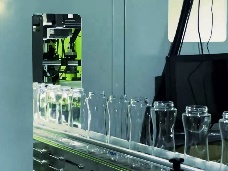
How High-Speed Rotary Screen Printers Enhance Production Throughput
Understanding the role of high-speed rotary screen printers in fast manufacturing environments
Rotary screen printers running at high speeds have become must-have equipment for manufacturers looking to boost output. These machines can print continuously on materials that keep moving, all while maintaining impressive speed and detail quality. The cylinder-shaped screens allow for constant operation with production rates exceeding 1,200 prints per hour, and the alignment stays accurate within about 0.1mm. Compared to traditional flatbed systems that constantly stop and start, rotary models cut down wasted time during production by roughly 40%. What makes them even better is their ability to work with automated feeding systems. Factories using Industry 4.0 technologies find these printers fit right into their smart manufacturing setups, where each machine communicates and works together instead of operating alone like older equipment used to.
Throughput advantages over traditional flatbed and low-speed printing systems
The throughput superiority of high-speed rotary screen printers is clear when compared to conventional systems:
| Performance Metric | High-Speed Rotary Printer | Traditional Flatbed System | Improvement |
|---|---|---|---|
| Maximum Speed | 1,200+ impressions/hour | 300-400 impressions/hour | 300% faster |
| Setup Time | 15-20 minutes | 45-60 minutes | 67% reduction |
| Material Waste | 2-3% | 8-12% | 75% less waste |
| Continuous Run Capability | Unlimited | Limited by pallet size | N/A |
This efficiency translates directly into higher output. One industrial manufacturer increased production from 550 to 1,140 units per hour after switching to rotary technology, while reducing defect rates by 28% through automated precision controls.
Matching production speed with line efficiency to reduce bottlenecks
Rotary screen printers running at high speeds really help cut down those annoying bottlenecks that slow down production lines. When these machines work hand in hand with what comes before and after them in the manufacturing process, there's no build up of materials sitting around waiting their turn. The newer versions come equipped with smart tech that talks back and forth in real time, adjusting print settings as needed when the line speeds change. This kind of responsive control lets factories hit around 94 to 97 percent overall equipment effectiveness, which is way better than the old standard systems that barely reached 65 to 75 percent most days. And let's not forget about all the IoT stuff too. With predictive maintenance built right in, plants see their unplanned stoppages drop by almost two thirds because worn out parts get flagged long before they actually fail.
Core Technology Behind High-Speed Rotary Screen Printing
Mechanics of continuous rotary motion for seamless, high-speed printing
What makes high speed rotary screen printers so effective is their continuous rotating motion. A cylinder screen spins along with whatever material it's printing on, staying synchronized throughout the process. Unlike flatbed systems that keep stopping and starting, these machines can run nonstop, pushing out product at amazing speeds sometimes over 100 yards a minute. Because the screen stays in contact with the material the whole time, prints come out consistently good with accurate alignment. This matters a lot when factories need to maintain quality standards while cranking out thousands of units each hour.
Precision ink delivery and screen tension control at elevated speeds
When running at top speed, keeping the ink flowing consistently and maintaining stable screens becomes really important. The advanced pumps and those sealed chamber squeegees do a good job of making sure the ink stays even across the whole surface, which stops those annoying streaks and patchy areas we all hate seeing. For screen tension, most modern presses have automatic controls that adjust on the fly as materials expand from heat or get stressed during production. This helps keep prints looking sharp even after hours of continuous printing. And there's something else too these systems constantly check things like how thick the ink is getting and what pressure levels look like. When something starts to go off track, they can actually fix themselves mid-run so operators don't have to stop everything just because the machine is pushing against its limits.
Key performance specifications that define a true high-speed rotary screen printer
What makes a true high speed rotary screen printer what it is comes down to certain key specs that set them apart. When we talk about print speeds, these machines can handle anywhere between 80 and 120 yards each minute. That's way ahead of flatbed systems which generally only manage around 15 to 25 yards per minute. The registration has got to stay pretty tight too, within plus or minus 0.1mm when running at full blast so patterns line up properly across all prints. There are other things worth mentioning as well. Quick change screens take less than five minutes per color, there's automatic cleaning going on behind the scenes, and drying systems that work efficiently enough to keep up with whatever output level the machine is set for. All this stuff working together means manufacturers can crank out massive volumes day after day while still keeping those quality standards intact.
Integration with Automated and Smart Manufacturing Systems
Seamless integration of high-speed rotary screen printers into automated production lines
When it comes to high speed rotary screen printing, these machines slot right into automated production setups alongside robotic arms and conveyor belts, creating a non-stop workflow that can hit speeds above 100 meters per minute. The biggest plus? No need for workers to handle materials manually anymore, which keeps everything synchronized from when the material first enters the system all the way through to when finished products get stacked. These printers act like smart parts of the whole manufacturing puzzle, adjusting on their own when there are speed fluctuations in the production line. Pretty impressive stuff really - they maintain print alignment accuracy down to about 0.1 millimeters either way, something that ticks all the boxes for current industry automation requirements.
Digital controls and real-time monitoring for consistent print quality
Digital control systems keep an eye on important factors like how runny the ink is, how hard the squeegees press down, and whether everything stays aligned properly while printing. The screens are pretty easy to work with too, showing what's happening right now on the production floor and quality checks so workers can tweak things fast without stopping everything. These systems watch over the whole process constantly, which cuts down on messed up prints by around three quarters when compared to old fashioned manual methods. That means products come out looking good even when machines run at top speed for hours on end.
IoT and AI-driven predictive maintenance in high-speed rotary screen printing
Today's rotary printers come with built-in IoT sensors that keep track of things like component wear, temperature changes, and how different parts perform over time. Smart systems process all this information to figure out when maintenance might be needed before it becomes an emergency situation. For instance, some machines can warn operators about potential issues with screen tension or doctor blades as much as a month ahead of time. According to field reports from printing plants across the country, this kind of foresight cuts down unexpected stoppages by around 40 percent. Plus, it means those expensive components last longer than they would otherwise, which makes good business sense for anyone running a print shop where every minute counts.
Balancing Speed, Quality, and Consistency in High-Volume Production
Maintaining Print Precision While Maximizing Output on Fast Lines
Getting maximum output from a high speed rotary screen printer demands some serious engineering work just to keep things accurate when running fast. Old school systems tended to lose their edge when pushed hard, but today's rotary models have come a long way. They feature better ink systems and automatic alignment features that actually hold tight tolerances down to the micron level, even when printing over 100 meters per minute. The tension control system keeps the screen pressing against the substrate consistently throughout the run, so there's no smearing or off-register prints happening. For manufacturers looking to boost production volumes while still keeping those intricate details sharp on premium products, this kind of precision makes all the difference in maintaining quality standards across larger batches.
Resolving the Speed-Versus-Quality Trade-Off in Industrial Applications
Manufacturers no longer have to choose between fast production and good print quality thanks to rotary motion systems combined with real time controls. These systems keep going without stopping, which means the ink gets deposited evenly across the material. According to several industry reports, rotary printing cuts down on quality issues by around 40 percent over traditional stop-start methods once speeds hit about 80 meters per minute or higher. What makes this possible? Constant tweaks to things like ink thickness and screen pressure happen automatically while the machine is running flat out. This helps preserve both the overall look of printed materials and consistent colors throughout long production runs.
Ensuring Long-Term Reliability and Repeatability in Continuous Operation
In non-stop manufacturing environments where machines run day after day, lasting reliability matters just as much as how fast they operate. The best high speed rotary screen printers come built tough with hardened parts inside, those super accurate bearings that last longer, plus smart self-maintenance features that keep things running smoothly. Most industrial models hit around 90% uptime or better in real world conditions, while top performers can crank out millions of impressions straight through without needing anyone to step in and fix anything. This kind of dependable output means products stay consistent batch after batch, something that matters a lot to big brand names who need their packaging to look exactly the same whether it's produced at midnight or midday.
FAQ
What is the main advantage of using high-speed rotary screen printers?
The main advantage is their ability to print continuously, which increases throughput and reduces wasted time compared to traditional flatbed systems.
How do rotary screen printers fit into automated production lines?
They integrate seamlessly, working alongside robotic arms and conveyor belts, maintaining synchronization and accuracy throughout the production process.
What technologies are employed in high-speed rotary screen printers?
They utilize digital controls, IoT sensors, AI-driven predictive maintenance, and smart integrated systems for real-time adjustments and monitoring.
How do they ensure consistent print quality?
Advanced control systems manage ink flow and screen tension while real-time monitoring adjusts settings for optimal print consistency.