
 EN
EN
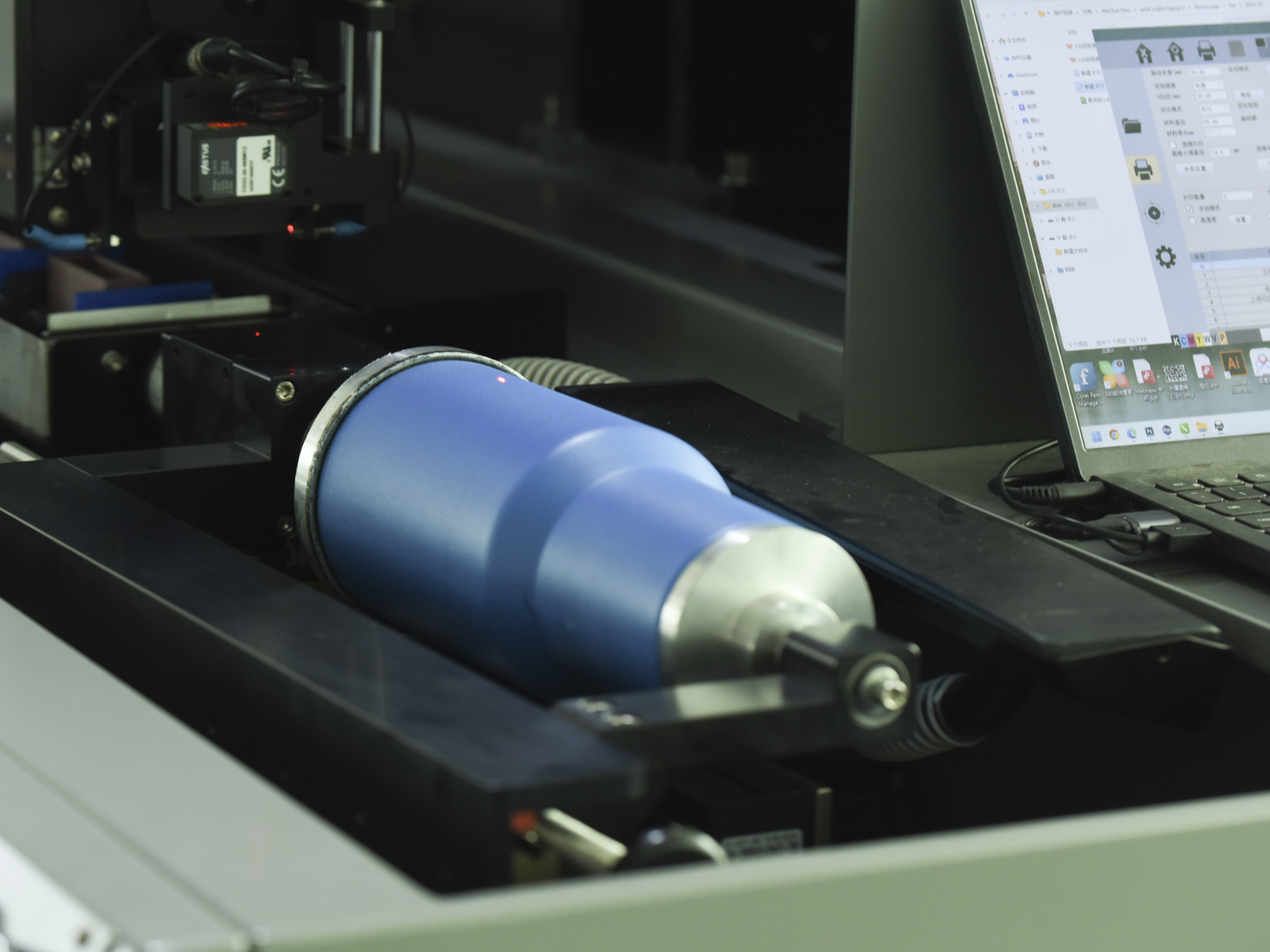
Düz Olmayan ve Düzensiz Yüzeylere Baskı Yapmanın Zorlukları
Süreksiz eğri şekiller üzerine inkjet baskısında karşılaşılan yaygın sorunlar
Sürekli olmayan bu garip eğri şekillere baskı yapmaya çalışmak, normal mürekkep püskürtmeli sistemler için her tür baş ağrısına neden olur. Geçen yılın Baskı Endüstrisi Raporu'na göre, düzensiz malzemelere yapılan baskı girişimlerinin yaklaşık %37'si hatalı yerleşimli baskılar, birikmiş mürekkep veya uygun olmayan sertleşme gibi sorunlarla sonuçlanır. Oluşan şey, yazıcı nozullarının malzeme yüzeyine doğru mesafede kalamadığı, bizim "ölü noktalar" olarak adlandırdığımız zorlu yüzeylerdir. Bu durum bulanık görüntülere, dağınık mürekkep sıçramalarına ve bazen baskı kafasının yüzeye çarpması sonucu hasara bile yol açar. Gerçek sorun, çoğu standart yazıcının bunu yönetmek üzere tasarlanmamış olduğu, farklı türde eğriler ve derinliklere sahip yüzeylerde iyi baskı kalitesini korumakla ilgilidir.
Yüzey morfolojisinin baskı kalitesi ve yapışma üzerindeki etkisi
Bir yüzeyin görünüşü ve dokusu, bir şeyin ne kadar iyi basıldığını ve mürekkebin ne kadar süre yerinde kaldığını büyük ölçüde etkiler. Doku, eğriler veya oyuklar gibi detaylara sahip yüzeylerle çalışırken, net görüntüler oluşturmak için minik mürekkep damlacıklarını tam istenen yere yerleştirmek oldukça zorlaşır. Yazdığımız malzemenin yapısı da mürekkebin ne kadar iyi tutundığını etkilediği için oldukça önemlidir. Düz olmayan yüzeyler özellikle UV mürekkepler kullanıldığında sertleşme sürecini ve yapışmayı olumsuz etkileyerek mürekkebin kabarmasına ya da mürekkebin düzgün şekilde yayılmadığı bölgelere neden olabilir. Bu durum, üretim ortamlarında zorlu işlemlerden ve sert koşullardan sonra bile solmadan kalıcı işaretlemeler gerektiren karmaşık şekilli parçalarda daha da kötüleşir.
Değişken topografyada geleneksel inkjet yazıcıların sınırlamaları
Düz olmayan yüzeylerle uğraşırken sıradan mürekkep püskürtmeli yazıcılar ciddi sorunlarla karşılaşır. Sabit baskı kafaları ve sert mekanik yapıları, tümsekleri ve çukurları telafi edemeyecek kadar esnek değildir ve bu da yüksek ve alçak bölgelerde mürekkep kaplamasının düzensiz olmasına neden olur. Bu makinelerin aslında eksik olanı, engebeli yüzeylerde bile baskıların iyi görünmesini sağlayacak akıllı sensörler ve otomatik ayarlamalardır. Bu tür bir esneklik olmadan, baskılar çarpık çıkar, renkler bozulur ve ürün beklenenden daha kısa ömürlü olur. Yüzey dokusundaki değişikliklere yeterince hızlı tepki veremedikleri için standart mürekkep püskürtmeli teknoloji, kumaş baskıları, kıvrımlı telefon kılıfları veya net ve kalıcı işaretlemelerin en önemli olduğu garip şekilli fabrika parçalarının işaretlenmesi gibi uygulamalarda işe yaramaz.
Yüksek Damlama Mürekkep Püskürtmeli Yazıcı Düz Olmayan Yüzeylere Nasıl Uyarlanır
Yüksek seviye damla püskürtmeli yazıcılar, engebeli yüzeylerde bile hassasiyeti koruyan oldukça akıllı bir teknoloji sayesinde çok iyi çalışır. En önemli olan şey, baskı kafasının baskı yapılan nesneden ne kadar uzakta durduğu anlamına gelen 'mürekkep fırlatma mesafesi' olarak adlandırılan özelliktir. Aralarında daha fazla boşluk olduğunda yazıcı, yüzeye çarpmadan veya mürekkebin isabet ettiği yeri bozmadan pürüzlü bölgelerle başa çıkabilir. Geçen yılki Print Technology Review'e göre çoğu modern sistem yaklaşık 15 ila 25 mm arası bir fırlatma menziline sahiptir ve bu da yükseklikleri yaklaşık 10 mm farklılık gösteren yüzeylerle başa çıkmalarını sağlar. Bu, her bir mikro damlanın bir şişe gibi yuvarlak bir şeye ya da bir oluk içine basıldığında doğru konumuna ulaşmasını garanti eder.
Mürekkep Fırlatma Mesafesi ve Engebeli Yüzeylere Baskıda Rolü
Mürekkebin kat ettiği mesafe, baskıların düzensiz yüzeylere ne kadar doğru şekilde yerleştiğini büyük ölçüde etkiler. Atış mesafesi daha uzun olduğunda, mürekkep damlaları yayılmadan veya sapmadan daha ileri gidebilir ve bu özellikle boşluklu ya da çıkıntılı yüzeylerle çalışılırken çok önem kazanır. Bu özellik, makinenin sürekli elle ayarlanması ihtiyacını azaltır ve böylece üretim, yaklaşık artı eksi 0,1 milimetrelik hizalama doğruluğu korunarak daha hızlı ilerler. Ayarlanabilir mesafe kontrollü baskı sistemleri anında tepki verir ve bu da düz olmayan, garip şekilli nesnelerle çalışırken bile daha iyi kalite sonuç alınmasını sağlar.
Yüksek Damlama Sistemlerinde Damlacık Boyutu Dinamikleri ve Yerleşim Doğruluğu
Modern yüksek damla baskı sistemleri, yüzeyin ihtiyacına bağlı olarak yaklaşık 6 ile 42 pikolitre arasında değişen farklı boyutlarda damlalarla çalışır. Pürüzlü veya gözenekli yüzeylerle uğraşılırken, daha büyük damlalar daha iyi yayılır ve daha fazla alanı kaplar. Detaylı işlemenin önemli olduğu düzgün alanlarda ise küçük damlalar devreye girer. Bu gelişmiş baskı kafaları, altlarındaki yüzey hakkında algıladıklarına göre ne kadar mürekkep çıkacağını gerçekten ayarlayabilir. Bu durumun anlamı, mürekkebin tüm baskı alanına, normal mürekkep püskürtmeli yazıcıların birçok yüzeyi aynı anda işlemeye çalışırken sıkça karşılaşılan o sinir bozucu çizgiler ya da birikintiler olmadan eşit şekilde uygulanmasıdır.
Kesin Yüzey Hedeflemesi için Damla Morfolojisi Simülasyonu
Gelişmiş yazılım araçları, artık damlaların hava direnci, yüzey gerilimi etkileri ve malzemelerin birleştiği açı gibi faktörleri dikkate alarak baskı süreçlerinde nasıl davranacağını simüle ediyor. Bu tahminler sayesinde üreticiler, her bir minik damlanın karmaşık şekiller veya düz olmayan yüzeylerle uğraşırken bile ihtiyaç duyulan yere düşmesini sağlayacak şekilde yazıcı ayarlarını hassas bir şekilde ayarlayabiliyor. Şirketler, damlanın yüzeye çarptıktan sonraki yayılma veya emilim miktarı dahil olmak üzere ne olacağını modellediğinde, mürekkep yoğunluğunu ve konumlandırmayı önceden ayarlayabiliyor. Bu da çeşitli üretim sektörlerindeki fabrikalarda test baskılarının israfını ve gereksiz malzeme tüketimini azaltıyor.
Gerçek Zamanlı Algılama ve Dinamik Baskı Kafası Kontrolü
Pürüzlü veya düzensiz yüzeylere baskı yaparken, yüksek damla inkjet yazıcılar entegre edilmiş algılama teknolojileri sayesinde gerçek bir avantaja sahiptir. Bu yazıcılar, baskı kafasının üzerinde çalıştıkları yüzeye ne kadar uzakta olduğunu sürekli olarak kontrol eder. Üzerlerine baskı yapılan malzemedeki küçük tümsekleri ve çukurları tespit etmek için lazer üçgenleme yöntemlerini ya da konfokal yer değiştirme sensörleri adı verilen bir şeyi kullanırlar. Sensörler saniyede 10 binden fazla kez veri örnekleyerek yazıcının farklı yükseklikler boyunca hareket ederken hemen hemen anında kendini ayarlamasına olanak tanır. Bu sistemlerin çoğu, baskı kafasını yüzeye yaklaşık 2 ila 5 milimetre uzaklıkta tutarken en iyi şekilde çalışır. Yüzeydeki yükseklik farklılıkları artı eksi 3 mm'ye kadar olsa bile yazıcı, her damlayı olması gereken yere doğru şekilde yerleştirebilir. Bu tür akıllı ayarlamalar olmadan, ana damlaların çevresinde bulanık lekeler veya garip uydu damlaları oluşurdu. Sektör standartlarına göre bu sistemler hedef konumlara yaklaşık 15 mikrometre hassasiyetle ulaşır ve bu da karmaşık şekilli plastik parçalar, doku içeren metal yüzeyler veya düz durmayan zorlu eğri paketler gibi nesnelere doğrudan baskı yapmak isteyenler için vazgeçilmez araçlar haline gelir.
Yüzeydeki düzensizliklerle başa çıkan geri bildirim sistemleri, sensör bilgilerini akıllı algoritmalarla analiz ederek yüzeylerin bir sonraki adımda nereye değişeceğini tahmin eder ve bu sayede güvenilirliği artırır. Bu teknoloji, yaklaşık 1,5 mm'lik beklenmedik yükseklik değişimleriyle de oldukça hızlı bir şekilde başa çıkabilir ve yalnızca 50 milisaniyede tepki verebilir. Bu tür bir hız, elle ayarlar yaparak en hızlı insan operatörün bile elde edebileceğinden daha üstündür. İmalat araştırmaları, bu tür dinamik kontrolleri kullanan yazıcıların, eski sabit yükseklikli sistemlere kıyasla düz olmayan yüzeylerde çalışırken baskı hatalarını yaklaşık %72 oranında azalttığını göstermektedir. Bu teknolojinin çok iyi çalışmasının nedeni, damla salma zamanlamasını yüzeyin küçük ayrıntılarıyla eşleştirmesidir. Malzemenin altı ne kadar engebeli veya düzensiz olursa olsun, her mürekkep damlası tam istenen yere düşer.
Uyarlanabilir Baskı Teknolojileri: Damla Modülasyonu ve Yazılım Telafisi
Yüzey Pürüzlülüğü Telafisi için Değişken Damla Boyutu ve Çoklu Geçiş Modları
İleri düzey özelliklere sahip yüksek damla boyutlu inkjet yazıcılar, değişken damla boyutu teknolojisi ile zorlu yüzey düzensizliklerini çözer. Bu cihazlar, doku içeren malzemelerin hem tepe noktalarına hem de çukurlarına mürekkebi hassas bir şekilde yerleştirebilir. Pikolitre ile nanolitre arasında damla boyutlarını ihtiyaç duyuldukça ayarlayarak, normal yazıcıların zorlandığı pürüzlü yüzeylerle başa çıkmalarını sağlar. Özellikle çok pürüzlü dokularla çalışırken çoklu geçiş baskısı devreye girer. Yazıcı, mürekkebi tek seferde değil, katman katman uygular ve böylece her alanın düzgün şekilde kaplanmasını garanti eder. Bu yöntem, geleneksel yazıcılarda engebeli yüzeylerde görülen ve banding etkileriyle veya mürekkebin tam olarak dolmadığı alanlarla sonuçlanan can sıkıcı sorunları büyük ölçüde azaltır.
Kaplama İçin Mürekkep Yoğunluğu Modülasyonu ve Optimize Dolgu Desenleri
Günümüzde yüksek damla püskürtmeli yazıcılar, farklı yüzey dokularıyla başa çıkmak zorunda kaldıklarında bile baskıların iyi görünmesini sağlamak için akıllı mürekkep yoğunluğu ayarlamalarına dayanır. Bu makineler çalışırken nereye ne kadar mürekkep konacağını ayarlayarak çukurlarda fazla birikmeyi ya da çıkıntılarda yetersiz kaplamayı önler. Yazıcı kafaları boşlukları doldurmak için özel desenler de kullanır; bazen noktaları diş dişi dizerek, bazen de stratejik olarak katmanlar hâlinde yerleştirir. Bu, ince detayların netliğini ve renklerin doğruluğunu korurken aynı zamanda eşit kaplamayı sağlar. Tüm bunların mümkün kılınmasını sağlayan şey, baskı sırasında sıvıların davranışına yönelik daha iyi kontrol sağlamadır. Üreticiler artık geleneksel baskı yöntemleri için baş belası olan dokuğu plastikler veya düz olmayan kumaşlar gibi zorlu malzemeler üzerinde kaliteli baskılar üretebilir.
Yazdırma Doğruluğu İçin Yazılım Algoritmaları ve Topografya Haritalama
Modern yüksek damla enjeksiyonlu yazıcılar, altındaki yüzeyi gerçek zamanlı olarak haritalayarak farklı yüzey dokularına hassas bir şekilde uyum sağlamalarını sağlayan akıllı yazılım algoritmalarına büyük ölçüde dayanır. Bu teknoloji, yüzeyleri üç boyutlu olarak tarar ve üzerine baskı yapılacak malzemenin sanal kopyalarını oluşturur. Bu da mürekkep uygulanmadan önce baskı kafasının tüm çıkıntılar veya çukurlar için önceden telafi etmesine olanak tanır. Son yapılan bazı fabrika testleri, şirketler bu tür uyarlanabilir sistemlere geçtiklerinde, eski yöntemlere kıyasla pürüzlü ya da düzgün olmayan malzemeler üzerinde yaklaşık yetmişli yaşlarda daha iyi kayıt doğruluğu elde ettiklerini göstermiştir. Ekstra bir avantaj olarak, birçok üretici şimdi makine öğrenimi özelliklerini de ekleyerek ekipmanlarının her işten sonra önceki deneyimlere göre ayarları otomatik olarak iyileştirerek zaman içinde daha da akıllı hâle gelmesini sağlıyor.
Endüstriyel Uygulamalar ve Üretim Ortamlarında Performans
Yüzeylerin sürekli değiştiği endüstriyel markalama senaryolarında, yüksek damla boyalı mürekkep püskürtmeli yazıcılar gerçekten öne çıkar. Bu sistemler, normal baskı ekipmanlarını zorlayan eğri otomobil parçaları, kabalaşmış ambalaj dokuları veya düzgün olmayan elektronik kutular gibi durumlarla karşılaşıldığında bile güvenilir baskılar üretir. Bu sistemleri ayıran özellik, her bir mürekkep damlasını olması gereken yere hassas bir şekilde yerleştirirken nozul ile yüzey arasındaki mesafeyi doğru oranda koruyabilmeleridir. Bu yetenek, şirketlerin çeşitli düzensiz üretim bileşenlerine kalıcı olarak küçük ancak net barkodlar veya seri numaralarının kazınmasını gerektirdiği DPM görevleri için bu sistemleri vazgeçilmez hâle getirir.
Gerçek Dünya Endüstriyel Markalama Uygulamalarında Yüksek Damla Boyalı Mürekkep Püskürtmeli Yazıcı
Yüksek damla inkjet yazıcılar, sürüntüsüz veya hizalama sorunları olmadan zorlu kıvrımlı gösterge panolarına VIN numaraları ve pürüzlü motor parçalarına seri kodlar yazmada otomotiv üretiminde vazgeçilmez araçlar haline gelmiştir. Paketleme şirketleri de buruşuk plastik poşetler, oluklu mukavva kutular ve sürekli şekil değiştiren esnek film kaplamalar gibi çeşitli zorlu yüzeylere son kullanma tarihleri ve parti kodları basmak için bu sistemlere büyük ölçüde güvenir. Elektronik üreticileri için ise, bileşenlerin tedarik zinciri sürecinin tamamında takibini kolaylaştırmak açısından, farklı şekilli soğutucu bloklarına ve konnektör gövdelerine net etiketler yapıştırmak büyük fark yaratır. Endüstriyel otomasyon alanındaki bazı yeni araştırmalar ayrıca oldukça ilginç bir şey daha göstermektedir: düz olmayan yüzeylere sahip parçalarla uğraşırken, yüksek damla teknolojisine geçen fabrikalar geleneksel baskı yöntemlerine kıyasla yaklaşık %30 daha az yeniden işleme ihtiyaç duymaktadır.
Karşılaştırmalı Performans: Yüksek Damla Inkjet vs. Sürekli Inkjet (CIJ)
Her iki teknoloji de endüstriyel işaretleme ihtiyaçlarını karşılasa da, yüksek damla boyalı mürekkep püskürtmeli yazıcılar sürekli mürekkep püskürtmeli sistemlere göre birkaç kritik alanda daha üstün performans gösterir. Aşağıdaki tablo temel operasyonel farkları vurgulamaktadır:
| Performans Metriği | Yüksek damarlı bantlı yazıcı | Sürekli Mürekkep Püskürtmeli (CIJ) |
|---|---|---|
| Yüzey Uyumu | Mükemmel (0,5-20 mm aralığı) | Sınırlı (sabit mesafe) |
| Mürekkep Tüketimi | ortalama %40 daha düşük | Sürekli akış nedeniyle daha yüksek |
| Bakım Sıklığı | Aylık temizlik | Günlük nozul temizliği |
| Eğriler Üzerinde Yazdırma Çözünürlüğü | 600 DPI korunur | bulanıklaşma ile birlikte 200-300 DPI |
| Çalışma Gürültü Seviyesi | <65 dB | >75 dB |
Düşük sistemler, damlaların nereye düştüğünü kontrol edebildikleri ve mesafelerini aktif olarak ayarlayabildikleri için engebeli veya düzgün olmayan yüzeylerde çok daha iyi performans gösterir. CIJ yazıcılar, tümsekli veya düzensiz yüzeyler boyunca bu küçük mürekkep damlalarını tutarlı bir şekilde yerleştirmede aynı derecede iyi değildir. İmalat tesislerinden yapılan bazı son çalışmalara göre, özellikle farklı yüzey dokularına sahip ürünler için CIJ'den yeni nesil yüksek damla sistemlerine geçen şirketler, reddedilen baskı sayısında yaklaşık %40-50 azalma gördü. Ayrıca dikkate değer bir başka fayda daha var. Bu sistemler genel olarak daha az mürekkep kullanır ve daha seyrek bakım gerektirir ki bu da büyük ölçekli üretim ortamlarında zamanla ciddi miktarda para tasarrufu sağlar.
SSS
Düzgün olmayan yüzeylere baskı yaparken karşılaşılan temel zorluklar nelerdir?
Düz olmayan yüzeylere baskı yapmak, geleneksel baskı kafalarının yüzeye doğru mesafeyi koruyamaması nedeniyle hatalı yerleşimli baskılar, birikmiş mürekkep ve uygun olmayan kürlenme gibi zorluklar çıkar.
Yüksek damla boyutlu inkjet teknolojisi düzlemsel olmayan yüzeylerdeki baskıyı nasıl iyileştirir?
Yüksek damla boyutlu inkjet yazıcılar, mürekkep fırlatma mesafesi, gerçek zamanlı algılama, damla boyutu dinamikleri ve yüzey düzensizliklerine göre ayar yapan akıllı yazılım gibi özellikler kullanarak düzlemsel olmayan yüzeylere baskı yaparken damlaların doğru yerleştirilmesini sağlar.
Mürekkep fırlatma mesafesi neden önemlidir?
Mürekkep fırlatma mesafesi, düzgün olmayan yüzeylerde baskı hassasiyetini korumak açısından çok önemlidir çünkü damlaların yayılmadan veya sapmadan doğru konuma düşmesini sağlar.
Yüksek damla boyutlu inkjet yazıcılar farklı yüzey dokularını nasıl yönetir?
Yüksek damla boyutlu inkjet yazıcılar, değişken damla boyutları ve uyarlamalı baskı teknolojileri kullanarak çeşitli yüzey dokularına mürekkebi doğru şekilde yerleştirir ve böylece tutarlı kaplamayı ve detaylılığı sağlar.
Gerçek zamanlı sensörler, yüksek damla hacimli inkjet yazıcılara nasıl fayda sağlar?
Gerçek zamanlı sensörler, yüzey yüksekliği değişikliklerine karşılık olarak baskı kafasının konumunun dinamik olarak ayarlanmasını sağlayarak yüksek damla hacimli inkjet yazıcıların baskı doğruluğunu artırır ve hataları azaltır.
İçindekiler
- Düz Olmayan ve Düzensiz Yüzeylere Baskı Yapmanın Zorlukları
- Yüksek Damlama Mürekkep Püskürtmeli Yazıcı Düz Olmayan Yüzeylere Nasıl Uyarlanır
- Gerçek Zamanlı Algılama ve Dinamik Baskı Kafası Kontrolü
- Uyarlanabilir Baskı Teknolojileri: Damla Modülasyonu ve Yazılım Telafisi
- Endüstriyel Uygulamalar ve Üretim Ortamlarında Performans
-
SSS
- Düzgün olmayan yüzeylere baskı yaparken karşılaşılan temel zorluklar nelerdir?
- Yüksek damla boyutlu inkjet teknolojisi düzlemsel olmayan yüzeylerdeki baskıyı nasıl iyileştirir?
- Mürekkep fırlatma mesafesi neden önemlidir?
- Yüksek damla boyutlu inkjet yazıcılar farklı yüzey dokularını nasıl yönetir?
- Gerçek zamanlı sensörler, yüksek damla hacimli inkjet yazıcılara nasıl fayda sağlar?