 EN
EN
How Single Pass UV Inkjet Printing Accelerates Custom Order Fulfillment
Meeting the Growing Demand for Faster Turnaround in Custom Printing
Businesses today are under constant pressure to produce custom printed stuff at lightning speed. According to a recent industry poll from 2023, around 78 percent of B2B customers want their custom packaging and labels ready within just five workdays now, which is way faster than the fourteen days they were willing to wait back in 2021. Why? Well, online shopping keeps growing fast, and companies really need to stand out with unique printed materials these days. That's where single pass UV inkjet printers come into play. These machines cut right through those old fashioned production roadblocks that used to slow things down so much. Traditional printing methods needed several passes and long drying periods, but not anymore. With these new systems, everything gets done in one go as the ink cures instantly under UV light. The result? Manufacturers can hit tight deadlines without compromising on quality or breaking the bank for rush jobs.
Core Advantage: High-Speed, Single-Pass Technology vs. Traditional Multi-Pass Systems
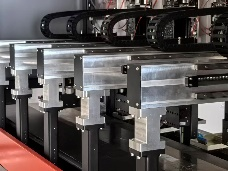
What makes this printer so much more efficient? Let's look at its basic design. Traditional multi-pass systems work by having those printheads move back and forth across the material multiple times. But single-pass tech takes a different approach altogether. The printheads are fixed in place along the entire printing width. When the material passes under them, the ink gets deposited and cured all in one go. The result? Print speeds between 50 to 75 meters per minute. That's about three to five times quicker than what most standard UV printers can manage. Getting rid of that constant mechanical movement does more than just speed things up. It actually helps maintain better alignment accuracy too. Plus, components don't wear out as fast since there's no need for all that repetitive motion. So we get consistently good prints and spend less time dealing with maintenance issues down the line.
Real-World Impact: Case Study Showing 70% Reduction in Production Lead Time
One packaging company saw major improvements when they brought in a single pass UV inkjet system. Their average lead times went down dramatically from 14 days all the way to around 4 days, which cut things down by about 70%. That really helped them get back on track in a tough market. What made this possible was getting rid of those plate making steps that used to take 2 to 3 days plus cutting out the long wait for ink to dry, which previously took between a day and two full days. The new system's instant curing capability meant everything was ready to go right away, and being digitally prepared allowed the team to handle roughly 40% more custom jobs without hiring extra people. Plus, there was less wasted materials too since colors were controlled so precisely and printing only what was actually needed reduced waste by about 22%. All these changes translated into happier customers overall, and within just one year the business noticed a significant boost in their high margin custom work, seeing growth of around 35% in that area alone.
Instant UV Curing: Eliminating Drying Delays and Streamlining Production
How UV Inkjet Technology Enables Immediate Ink Drying and Curing
UV inkjet printing in single pass systems works through immediate curing using ultraviolet light. When exposed to this light, special chemicals called photoinitiators kickstart a quick polymerization process in the ink itself. What happens next is pretty amazing: the monomers and oligomers actually bond together almost instantly, which means there's no need for the long waiting periods associated with conventional inks that rely on solvent evaporation. Since the curing takes place right away during printing, production doesn't have to stop or slow down at all. This makes a huge difference for businesses needing quick turnaround times on custom print jobs, especially in industries where speed matters most.
Reduced Processing Time and Faster Post-Print Handling in Packaging Workflows
When there's no need to wait for materials to dry, production can jump right into cutting, folding work, or putting things together. This kind of continuous workflow really cuts down on how long everything takes overall. Manufacturers who want to keep inventory low find this particularly helpful since they don't have to store those partially completed wet items anywhere. Plus, workers handle fewer materials at different points in the process, which naturally lowers the chances of damage happening somewhere along the way. The benefits are especially noticeable when making custom packages or specialty labels. Clients get their orders quicker while still getting products that hold up well and look great even under tough conditions. This makes meeting urgent delivery schedules much more realistic than traditional methods allow.
Supporting On-Demand and Short-Run Production with Digital Flexibility
Enabling Fast, Cost-Effective Short Runs for Custom Packaging and Labels
The single pass UV inkjet technology really changes the game for small print runs because it cuts out those expensive setup fees and gets rid of minimum order restrictions altogether. With digital printing these days, companies can actually produce batches starting at around 50 to maybe 100 items, and still keep their costs down per piece. What's even better is the instant curing feature. Once printed, products are basically done and ready to ship right away, which means customers don't have to wait ages for them to dry like with traditional printing methods. This kind of speed and flexibility is huge for companies trying out fresh design concepts or putting out special edition products without having to tie up capital in massive inventories. Many startups and smaller businesses are taking advantage of this exact capability to test markets before going all in on big production runs.
Zero Inventory and Just-in-Time Printing Benefits for B2B Brand Owners
The tech makes real time manufacturing possible for many B2B businesses, so they can actually create packaging and labels whenever needed. When companies stop keeping huge amounts of printed stuff around, they can react much faster to what's happening in the market right now, whether it's new seasons coming or special promotions running. No need to worry about storing all that stuff or dealing with old designs anymore. Money that was stuck in unused materials gets freed up, and even if there are sudden changes to designs or need for different data on packages, everything still works out. Looking at industry numbers, these kinds of on demand approaches cut down inventory costs somewhere around 40 percent. That means businesses stay ahead of what customers want next instead of being stuck with outdated products nobody wants.
Variable Data Printing and Job Flexibility for True Customization
Effortless Switching Between Jobs with No Setup Delays
Single pass UV inkjet systems make switching between jobs almost instantaneous without waiting around for setups. Printers don't require changing plates, going through lengthy cleaning processes, or getting recalibrated before starting something new. What this means is that production lines save precious hours normally wasted on preparing machines, so they can handle several different custom print jobs throughout just one workday. When combined with prints that cure instantly after printing, the whole process from when a design gets approved all the way to shipping finished products becomes much faster than traditional methods ever allowed.
Applications in Personalized Labels, Packaging, and Limited Edition Runs
This system really shines when products need their own special content, think personalized labels on bottles, custom packaging for gifts, or those limited edition items that stand out on store shelves. Companies are now able to slap on unique QR codes, number things sequentially, add custom text messages, or even include bespoke images all while keeping up with regular production speeds. Industry reports show something interesting happening here too - variable data printing took off pretty fast after 2023, growing around 42% as brands started seeing the value in making physical products feel more personal to customers. We've noticed particular success stories in medicine manufacturing where every pill container needs tracking info, high end fashion items that come with authentication marks, and promotional materials that change slightly for different markets. What's cool is how everything still looks consistent despite these custom touches.
Integrating Single Pass UV Inkjet Printers into Modern Digital Workflows
From Design to Delivery: Building Agile, Responsive Production Pipelines
The printers fit right into complete digital workflows from start to finish, connecting straight to design programs and those automated finishing setups. Because they're connected this way, there's no need for all those manual setup and calibration steps anymore. Jobs switch over faster and orders get processed more accurately as a result. When companies have control over things like how much ink gets applied, what happens to the material being printed on, and that UV curing process, their whole operation becomes smoother. They can handle custom requests quickly without having to sacrifice either speed or consistent quality across different print runs.
Future-Proofing Print Operations with Scalable, Automated Inkjet Technology
Switching to single pass UV inkjet printing represents a smart move for businesses preparing for what's coming next in manufacturing. Traditional analog techniques get stuck with those pesky printing plates and take forever to switch between jobs. The digital alternative brings automation that can grow right along with the company as it expands. What's really great about this technology is how it handles both small batches with custom designs and still keeps things running smoothly when producing large quantities. Companies find they need fewer workers monitoring the process thanks to features like quick drying times and reliable print quality across all runs. This cuts down on mistakes, saves money on wasted materials, and helps maintain a competitive edge in today's fast paced market where customers want their products tailored just right and delivered without delay.
FAQ
What is single pass UV inkjet printing?
Single pass UV inkjet printing is a technology where ink is applied and cured in one go using UV light, enabling faster production speeds and immediate drying of printed materials.
How does single pass differ from traditional multi-pass systems?
Unlike multi-pass systems that require printheads to move across the material multiple times, single-pass systems have fixed printheads that deposit ink and cure it all in one pass, enhancing speed and precision.
What are the benefits of instant UV curing?
Instant UV curing eliminates drying delays, allowing for continuous workflow, reduced production time, and faster handling post-printing.
How does single pass UV inkjet printing support on-demand production?
The technology allows for quick, cost-effective short runs without setup fees or minimum order restrictions, and products are ready to ship right after printing.
What is variable data printing?
Variable data printing allows customization of each printed item, such as personalized labels or bespoke images, without slowing down production.
Table of Contents
- How Single Pass UV Inkjet Printing Accelerates Custom Order Fulfillment
- Instant UV Curing: Eliminating Drying Delays and Streamlining Production
- Supporting On-Demand and Short-Run Production with Digital Flexibility
- Variable Data Printing and Job Flexibility for True Customization
- Integrating Single Pass UV Inkjet Printers into Modern Digital Workflows