 EN
EN
How Bottle Inkjet Printers Overcome Substrate Challenges for Vibrant Color Output
Why Standard Printers Fail on Curved, Non-Porous Bottle Surfaces
Standard printing equipment struggles when it comes to decorating bottles because of basic material constraints. The curved shape tends to create problems where ink either pools up or streaks across the surface since the liquid spreads out unevenly. Materials such as PET and HDPE are also problematic for water based inks as they tend to just slide off these smooth surfaces, making colors fade quickly. When companies try solvent based options instead, there's usually an extra step needed with primer application or longer wait times for everything to dry properly. These added steps can really eat into the bottom line too, sometimes pushing costs up anywhere from around 15% to maybe even 30%. Bottles aren't like plain old paper sheets though. They need each drop of ink placed exactly right over all those tricky curves and angles something regular printers just aren't built to handle without slowing down, losing consistency somewhere along the way, or ending up with subpar results overall.
UV-Curable Inkjet Technology and Precision Drop-on-Demand Control
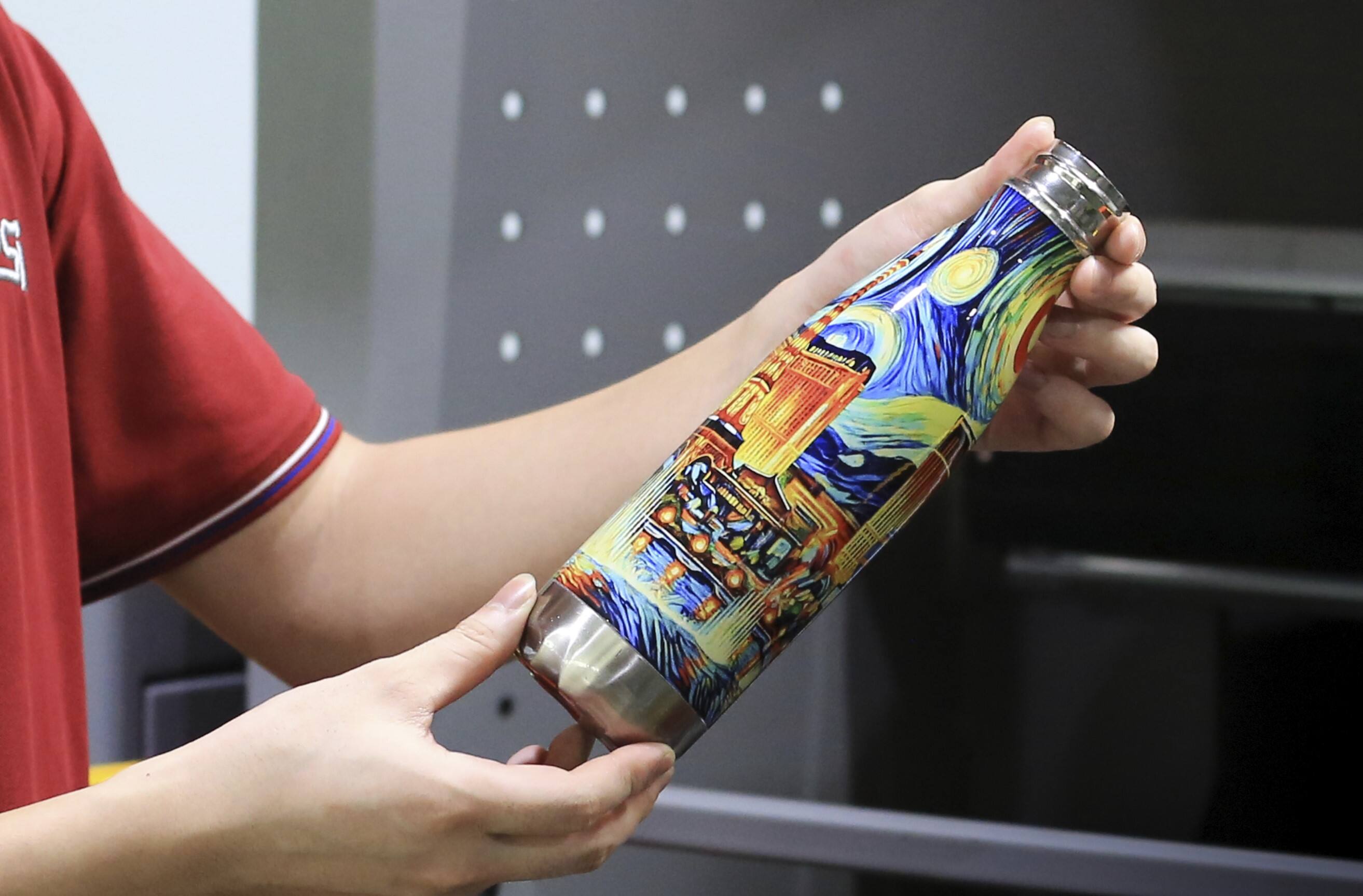
Modern bottle inkjet printers tackle these limitations through the use of UV-curable inks combined with piezoelectric drop-on-demand technology. Tiny nozzles shoot out ink droplets measured in picoliters, achieving precision down to the micron level. When those droplets hit the surface, built-in UV lamps kick in immediately to harden the ink. What does this mean for actual production? No more worrying about ink bleeding around curved surfaces, and the printed material sticks permanently to materials that don't absorb liquids like glass or plastic without needing any kind of primer first. Better yet, advanced DoD systems can actually change how big each droplet is and when they're fired based on what's needed right then. This keeps image quality rock solid at 1200 dpi resolution even when running over 200 bottles every single minute. The end result? Graphics that resist scratches and maintain their color intensity across almost any type of bottle, whether it's clear or dark colored. These prints handle smooth color transitions, crisp text details, and complex designs far better than anything produced by older analog methods ever could.
Color Accuracy and Consistency with Advanced Color Management for Bottle Inkjet Printer Systems
From Pantone to Spectral ICC Profiling for PET and HDPE Bottles
Getting brand accurate colors right on bottles isn't just about matching standard spot colors. The way PET and HDPE plastics interact with light is quite different, particularly noticeable when looking at curved surfaces where colors can appear shifted or washed out. This is where spectral ICC profiling comes in handy. Instead of using those generic color databases everyone relies on, it actually measures the complete spectrum of reflected light from actual printed samples on each type of plastic. What makes these custom profiles so effective? They take into consideration not only what kind of plastic we're working with but also how its shape affects color appearance. As a result, manufacturers can consistently reproduce those exact Pantone colors across all sorts of bottle designs and materials without spending hours tweaking settings or going through endless rounds of test prints.
Real-Time Calibration Using Embedded Spectrophotometers and CMYK+White+Clear Loops
Keeping colors accurate throughout production runs demands constant monitoring and adjustment. Top tier bottle printing systems actually have built-in spectrometers that check color samples right there on the bottles as they come off the line. These measurements go into what we call an adaptive color management system that controls all six ink channels CMYK along with white and clear tones. The machine automatically adjusts when things start going off track because of issues like nozzles drifting out of alignment, changes in ink consistency, fluctuations in room humidity, or differences between batches of materials. It tweaks everything from ink mix ratios to how opaque the white base layer should be and even adjusts the thickness of the varnish coat while running. We typically run calibration checks roughly every 20 to 30 bottles through the system, which cuts down on wasted product and keeps quality steady across the entire production run from beginning to end.
Brand Promotion Impact: Measurable Shelf Standout and Sustainability Trade-offs
68% Uplift in Visual Attention Confirmed by Eye-Tracking Studies (SGIA, 2023)
According to eye tracking studies done by SGIA back in 2023, bottles printed with digital inkjet tech actually catch 68% more attention compared to regular labels. Why? Because these prints don't distort and have really sharp, full wraparound graphics. They work great with what we see out of the corner of our eyes too something super important when shoppers are rushing through packed stores. People typically glance at shelves for less than three seconds anyway. These smooth, colorful designs grab attention faster and keep it longer. That means better memory of brands and ultimately more people wanting to buy them.
Direct Bottle Inkjet Printing vs. Labels: Recyclability, Cost, and Brand Authenticity
| Aspect | Direct Printing | Pressure-Sensitive Labels |
|---|---|---|
| Recyclability | No adhesive contamination; maintains single-material PET/HDPE streams | Separation challenges; contributes to ~30% landfill contamination in label-bearing containers |
| Unit Cost | Lower at scale ($0.02–$0.05 per bottle) | Higher material, printing, and applicator costs ($0.08–$0.15 per bottle) |
| Brand Perception | Seamless, premium finish—no visible edges or lift risk | Perceived as less durable; peeling undermines trust |
Direct printing helps support circular economy goals because it gets rid of those pesky adhesive layers that mess up recycling systems. The process actually works really well with standard PET recycling protocols. Sure, the initial setup costs for this kind of printing are quite a bit higher than traditional methods. But when companies run large batches over around 10,000 units, they tend to see roughly 40% savings on each item compared to regular labeling techniques. What's interesting from a business standpoint is how consumers react to these changes. Recent surveys in the beverage industry show that about seven out of ten people think bottles printed directly look more premium than ones with labels. This gives products a cleaner, more authentic appearance on store shelves while cutting down on extra packaging materials.
FAQs
What is the main advantage of using UV-curable inks for bottle printing?
UV-curable inks, combined with piezoelectric drop-on-demand technology, ensure that even on curved and smooth surfaces, the ink doesn't bleed, allowing for precise, vibrant graphics without the need for primers.
Why do standard printers struggle with bottles?
Standard printers face challenges with bottles due to their curved shapes, causing ink to pool or streak. Additionally, non-porous surfaces like PET and HDPE don't absorb inks well, leading to fading colors.
How do advanced color management systems help in bottle printing?
Advanced systems use spectral ICC profiling and real-time calibration to ensure accurate, consistent color reproduction across various bottle designs, drastically reducing the need for test prints.
Why is direct bottle printing considered more sustainable?
Direct bottle printing eliminates adhesive layers, simplifying the recycling process and supporting circular economy goals by maintaining single-material recycling streams.